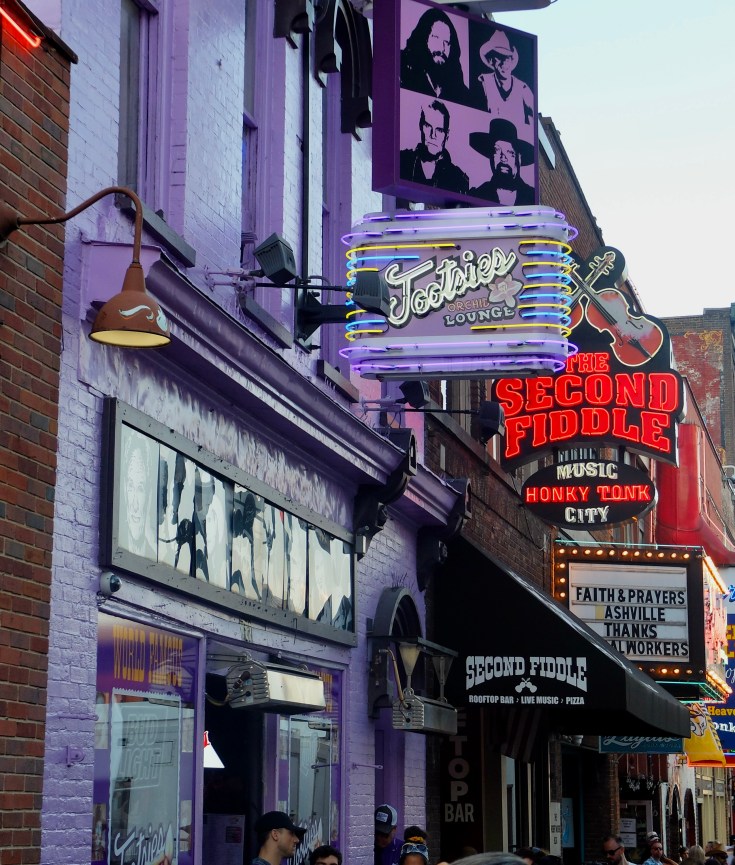
It’s funny, when we told people we were starting our road trip in Tennessee, everyone suggested spending more time in Nashville than Memphis. And I’m so glad we didn’t listen. If you read my last post, you know how much we loved Memphis – it was a perfect city for us.
Nashville is often compared to Austin, which we visited in February for my birthday. It was my first time in Austin, but Chandler grew up driving to Austin to see live music. In the last decade, he said it’s become nearly unrecognizable – which sounds like what happened to Nashville too. We enjoyed what we did in Nashville, but found ourselves with a lot of extra time on hands and no real reason to come back to the city.
It’s true that it’s “nicer” than Memphis, but I have to admit, I preferred the Memphis vibe. Maybe it’s because I prefer blues music to country or because we like to choose unexpected places to travel or move to. That said, Nashville still has a few things going for it.
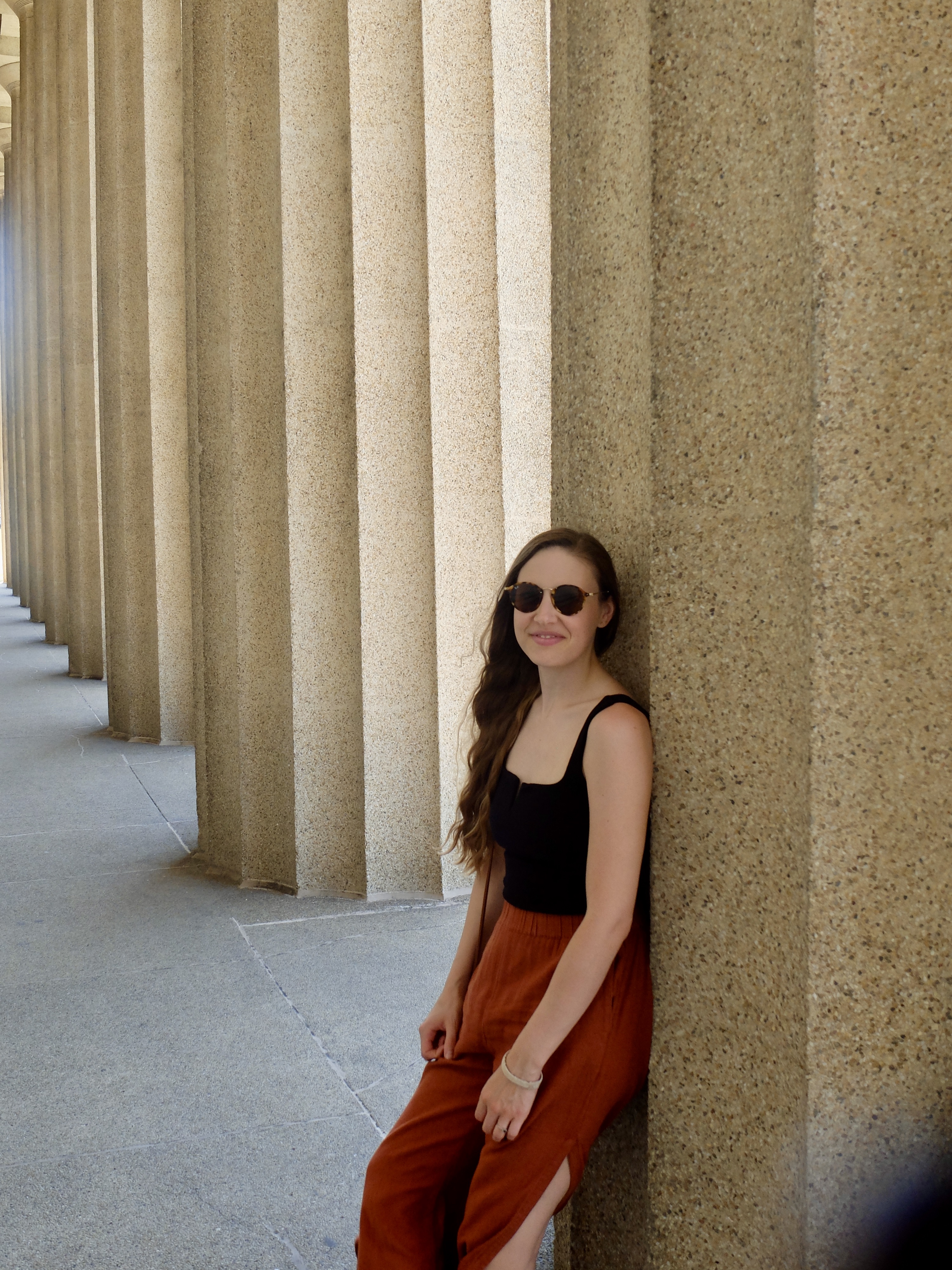
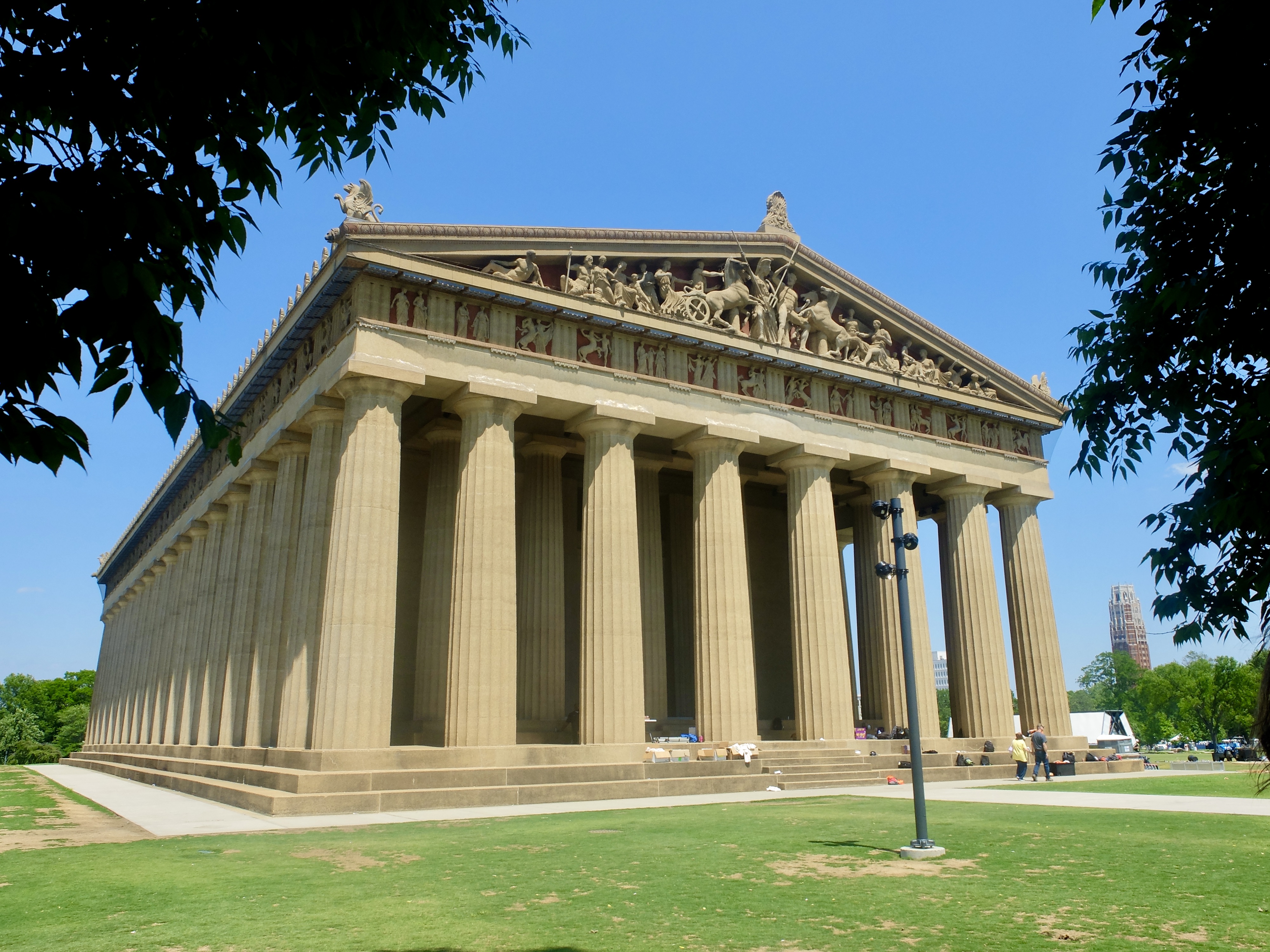
There was only one thing we did in Nashville that didn’t revolve around music – and I can honestly say it was the most bizarre. In 1897, Tennessee held a Centennial Exposition. They used their nickname, the “Athens of the South,” as inspiration and a number of buildings were created to resemble ancient ones.
They decided to build an exact replica of the Parthenon in Greece – it was never meant to be permanent, so it was built with plaster, wood, and brick. However, it was expensive to demolish and ended up being incredibly popular. The structure lasted 20 years and then began to deteriorate. It was rebuilt in the same location using concrete in 1920 with the exterior being completed in 1925 and the interior in 1931.
It is currently being used as an art museum and contains 19th and 20th century American artists – that we weren’t particularly wild about seeing. Instead, we paid a short visit to the outside of the structure.
After that, all of our stops in Nashville were music themed – even when we didn’t expect them to be! We paid a visit to the Frist Art Museum. What we didn’t know is that the museum has no permanent exhibitions – all of them are temporary – which means it’s hard to recommend a museum that’s constantly changing. That said, there’s something to be admired about a museum that’s constantly reinventing itself.
The main exhibit this summer is Storied Strings: The Guitar in American Art. Which tied in pretty perfectly to all of the music we’d been listening to as of late.
I can’t say we loved any of the guitar-themed art, but there were some incredible guitars on display and I loved the photos of Minnesotan artists.
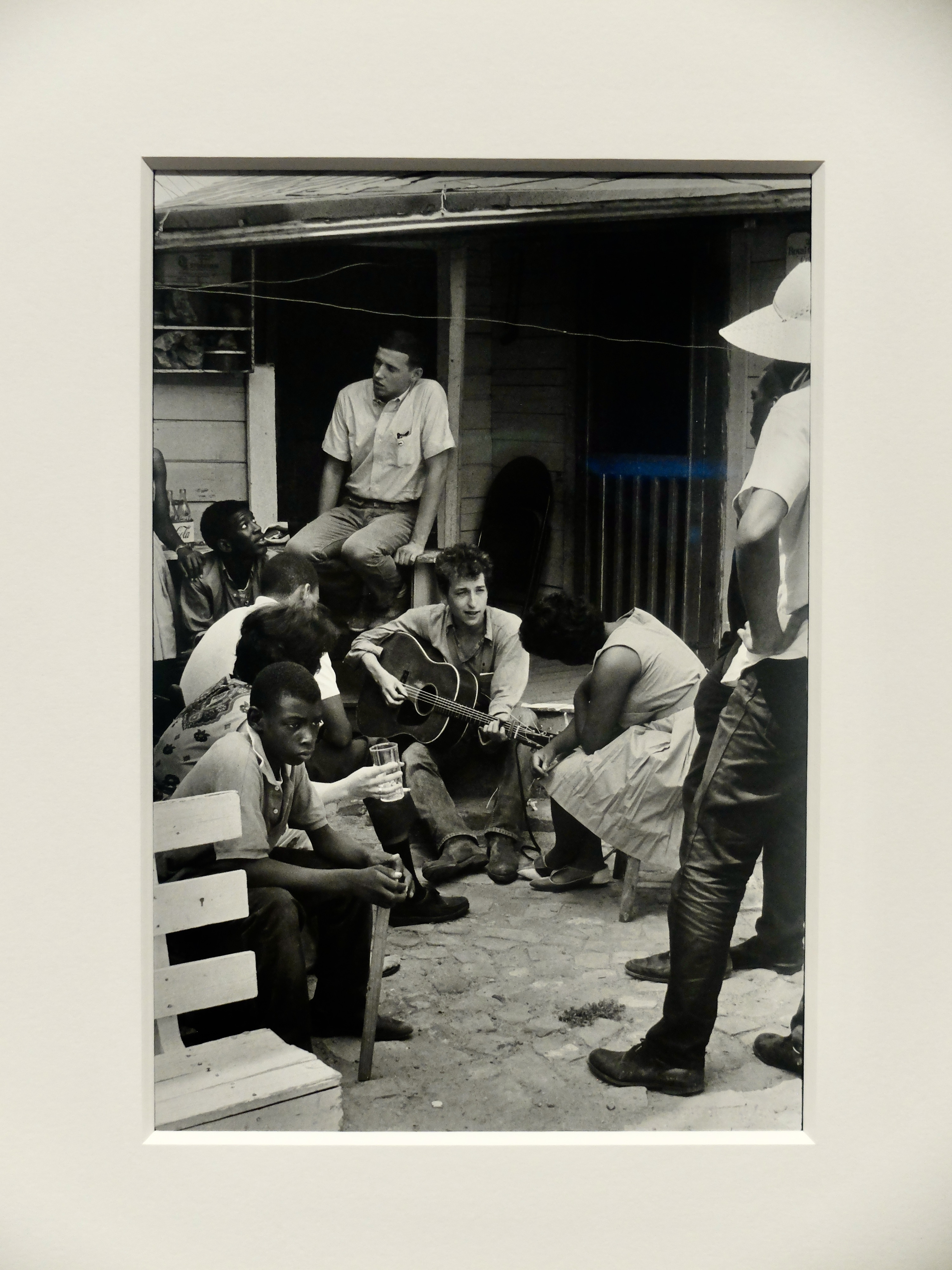
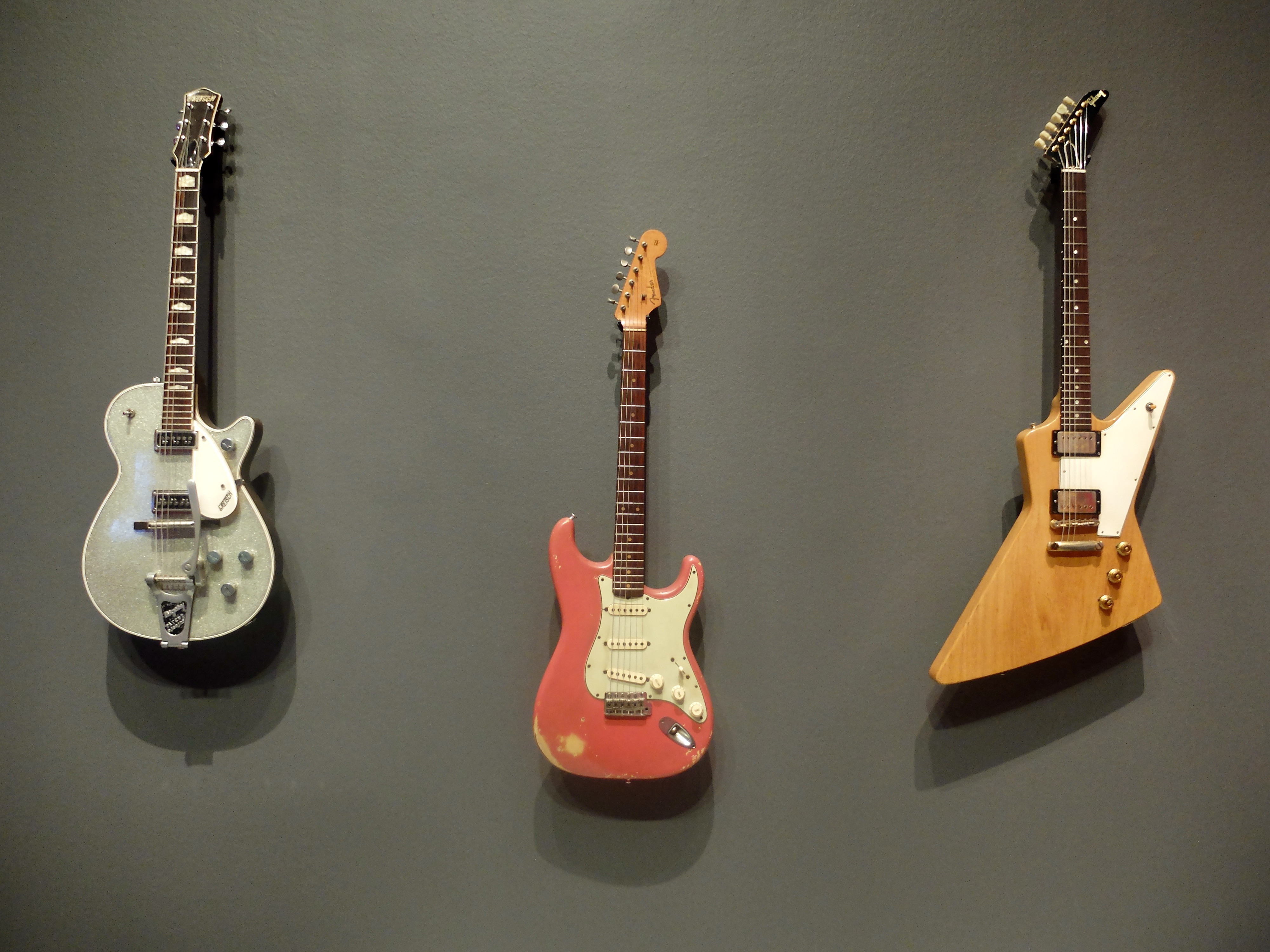
Photographed below:
-Gibson ES-335 played by John Lee Hooker (!!!) [1965] & Gibson ES-150 [1936]
–Bob Dylan Plays behind the SNCC office, Greenwood, Mississippi by Danny Lyon [1963]
–Rock Star Prince, Purple Rain Tour at the Spectrum, Philadelphia by Fred Comegys [1984]
-Gretsch Silver Jet played by Brian Setzer [1956], Fender Stratocaster [1963], & Gibson Explorer played by Eric Clapton [1958]


Since we don’t listen to much country music, we skipped the Country Music Hall of Fame and Museum, opting instead for the National Museum of African American Music. They claim to be the only museum dedicated to educating, preserving, and celebrating more than 50 music genres and styles that were created, influenced, and/or inspired by African Americans, including spirituals, blues, jazz, gospel, R&B, and hip-hop.
Our experience started with a short film that gave an overview of west and central African cultures and the history of slavery. It focused on the evolution of African American culture, emphasizing the creation of new music traditions and how they connected to what was happening in the US.
We’ve spent a lot of time learning about blues, soul, and rock ‘n’ roll this year, so it was great to see the continuum of Black music. The last three galleries were of particular interest, focusing on jazz, R&B, and hip-hop. In fact, the hip-hop/rap gallery felt like a reflection of my youth and the music that was popular at the time.
Some fun facts from the displays: In 1921, W.C. Handy’s publishing partner, Harry Pace, founded his own company – Black Swan Records – it was the first Black-owned record label. R&B – or rhythm and blues – is one of the most diverse genres, encompassing everyone from Chuck Berry to Sam Cooke to Donna Summer to Mary J. Blige to Beyoncé. Rock group Blondie was among the first mainstream bands to incorporate hip-hop influences. Their 1978 single Rapture was the first No. 1 song in the US to feature rapping. Nicki Minaj was the first female artist to place seven songs on Billboard’s Hot 100 charts with her 2010 debut album, Pink Friday. It was a fascinating musical journey from a museum that’s only been open for two years.
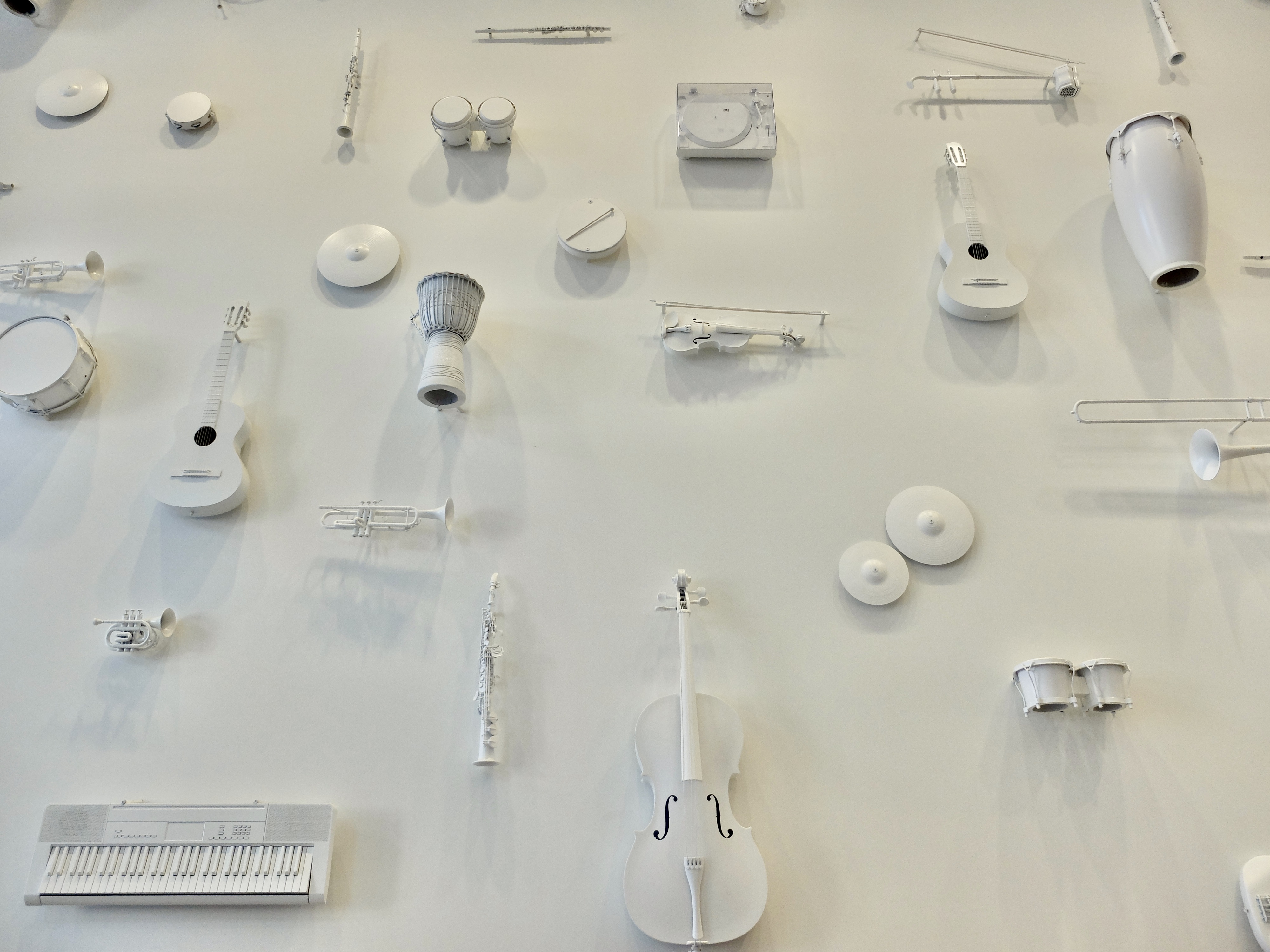
Photographed below:
-Entrance of the museum
-Sheet music for I’m Just Wild About Harry, a song from the 1921 musical Shuffle Along – the first Black-written and produced show on Broadway
-Hip-hop gallery


We saw live music twice while in Nashville. We lucked into being in Nashville on a Sunday night and got to experience the bluegrass jam at Station Inn.
It’s a free event with first come first served seating. We arrived maybe 20 minutes before the doors opened and the line was already halfway down the block, but there was plenty of seating for everyone.
Anyone with an instrument can come up and join the “band” – the musicians sit in a circle and play bluegrass all night. We watched a guy come up and borrow a guitar and Chandler took over when the drummer went on break – that’s when we learned that “jam” in bluegrass means “everyone follows a strict structure.” Only bluegrass instruments are allowed – think guitar, fiddle, mandolin, dobro, bass, etc.
But the music was great and the atmosphere relaxed. We were blown away by the banjo player.


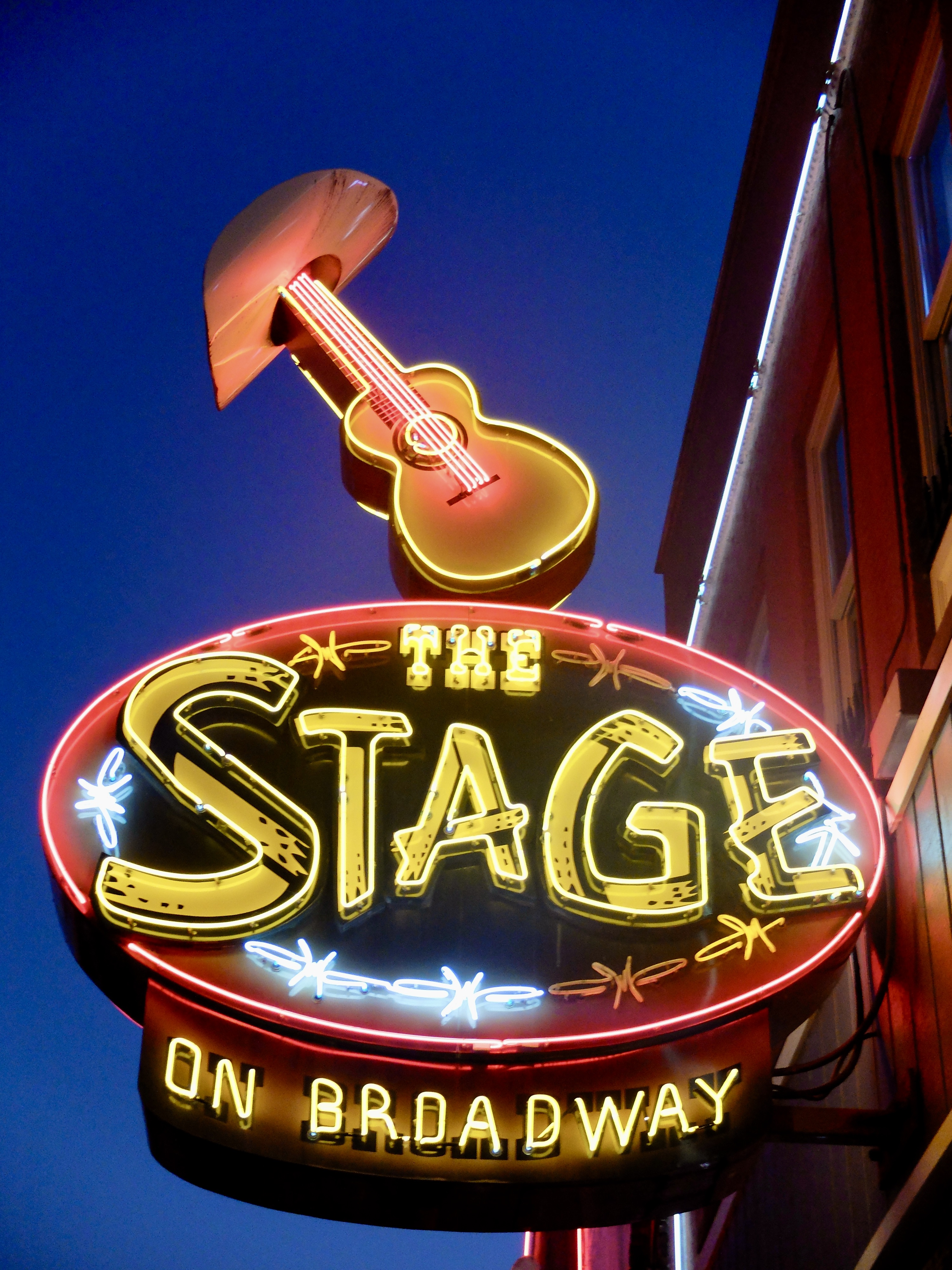
The next night we made our way over to Lower Broadway Street. We wanted to see what it had in common with Beale Street in Memphis. They’re both a little touristy and they both have live music – that’s about where the similarities end.
We spent time in three bars in Memphis and the music was fantastic. Walking around Broadway, I can’t say the same. Obviously, there’s a big difference in the type of music that’s being played – Beale is for blues and Broadway is for country – but the quality of music differed significantly.
Bands in both locations play a lot of covers, it’s what the people want to hear! There are more original singer/songwriter cafes in Nashville like the Ryman Auditorium, the Bluebird Cafe, 3rd & Lindsley Bar & Grill, the Listening Room Cafe, and, of course, Grand Ole Opry – but none had anyone in our musical wheelhouse that night.
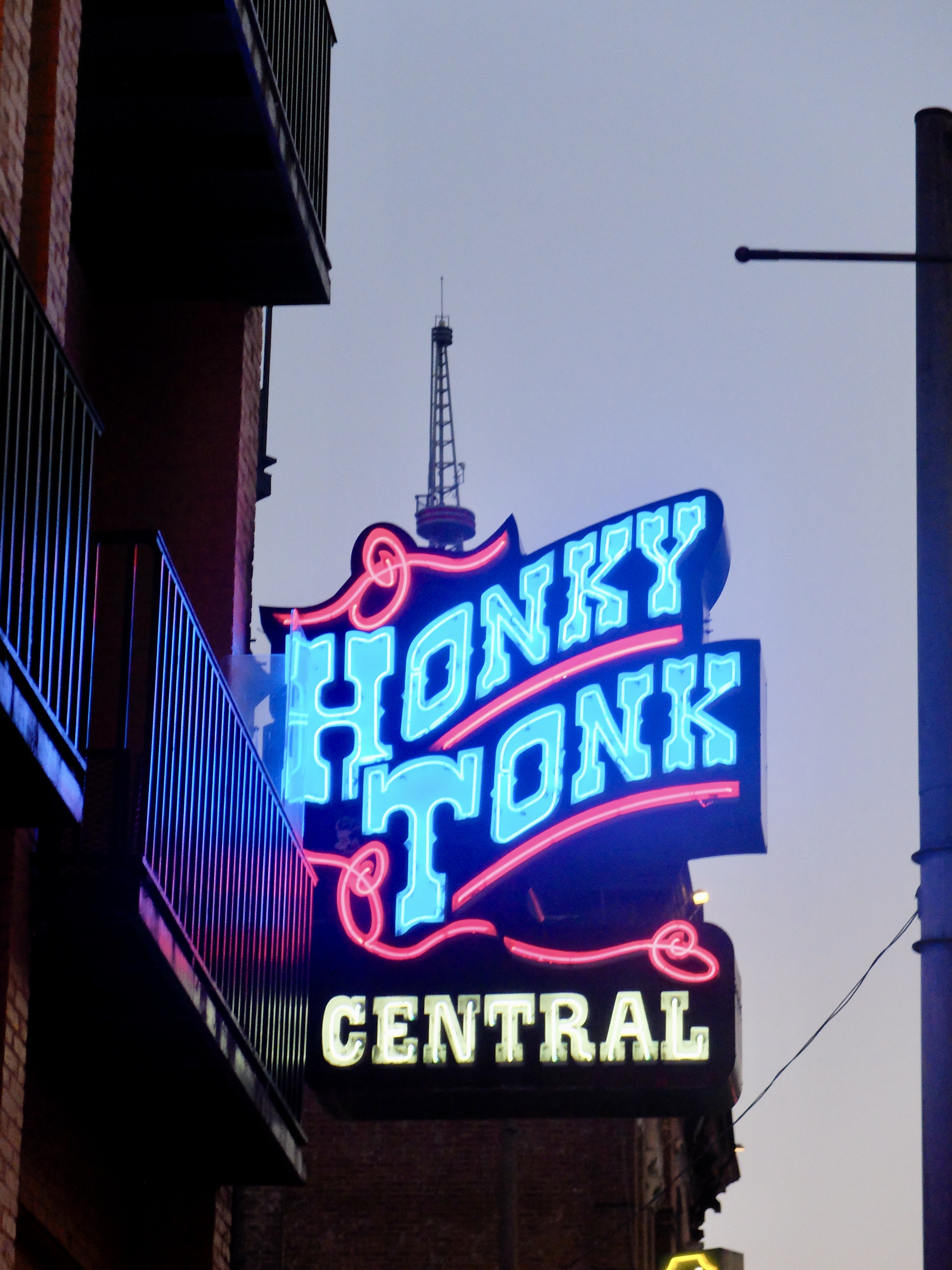
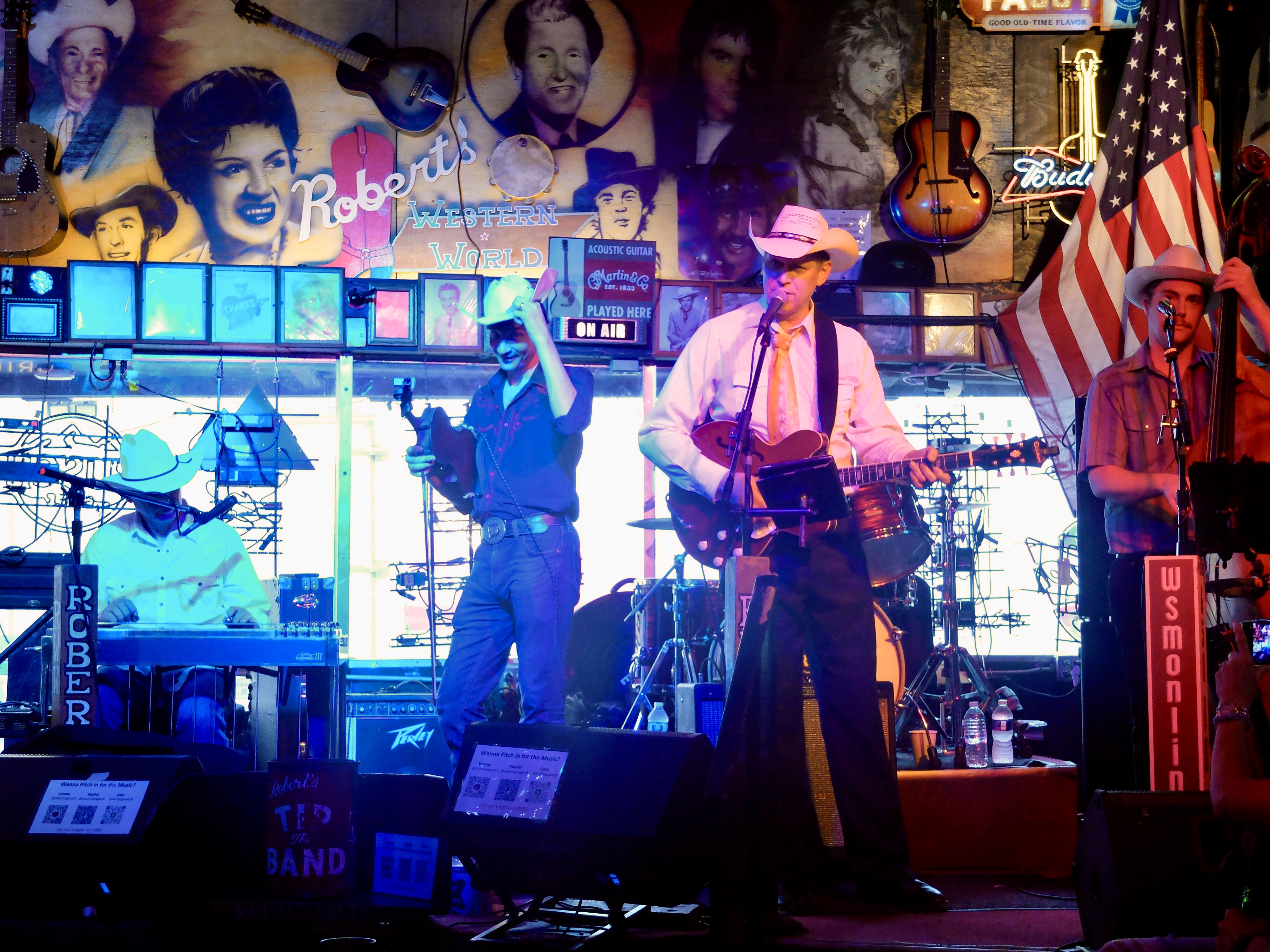
As we walked along Broadway, it was impossible not to hear favorite songs from my childhood (I grew up listening to 90s country music) belted out with a lot of love and a lot less talent. But we did make our way into Robert’s Western World to hear the Western Swingers. With live bands four times a day, Robert’s Western World has plenty of music for everyone. Still considered a honky tonk bar, their prices are some of the lowest around. No cover charge (unlike Memphis) and you can get a meal for $6 – that is, if you’re willing to ingest a fried bologna sandwich, chips, and PBR…we passed!).
The band was pretty good and the vibe was very relaxed – albeit a bit chatty, not everyone, it seems, was there for the music. We had a good time and opted not to visit any of the other bars in the area.


Overall, Nashville just wasn’t a city for us. We were headed to rural Alabama the next day and already had a packed schedule. Tennessee was fun, but it turns out, we’ve got a deep love for Alabama.
 Abroad With Ashley