
After dipping into Navajo land to visit both Monument Valley and Antelope Canyon, we popped back up to Utah to visit Bryce Canyon and Zion (having already visited Arches and Canyonlands). Capitol Reef hadn’t made the cut for us (controversial, I know).
Utah has the third highest number of national parks among all the states, only California and Alaska have more, but we already knew we were never going to visit all 63 national parks. Early on in the planning stages, we’d had to cut a number of “interesting enough, but not for us” parks and activities. In fact, we only barely made it to Canyonlands (so the completist in me wished we’d had a bonus day to make our way to Capitol Reef!).
But a day in Bryce Canyon reminded me why we’d chosen the parks that we had – it was absolutely mesmerizing. We left a heat dome in Page, Arizona and wondered (ok, worried) about the weather at Bryce Canyon – there was no need.
The heat tried to follow us, but the elevation held it at bay. We were staying in Tropic, Utah, which is 2,000 feet (610 meters) higher than Page. Additionally, Bryce Canyon National Park is even higher – the entrance starts at 7,664 feet (2,336 meters) and reaches 9,115 feet (2,778 meters) at its highest spot, Rainbow Point.
While our Baymont Hotel in Page was nothing to write home about, we absolutely loved our accommodations in Tropic. We had a private cabin at Bryce Canyon Inn, and while that wouldn’t normally be our vibe, the price matched our expectations and the cabin was downright charming.

We only had time to drop our luggage and we were off to the park.
Bryce Canyon is home to the greatest number of hoodoos on Earth. Hoodoos being intricately-carved rock spires left standing by erosion – and I couldn’t wait to photograph them! Our plan for the afternoon was the Southern Scenic Drive.
The drive officially starts 3 miles into the park, once you pass through the Bryce Amphitheater area (where most of the hiking takes place). You continue down the road for 15 miles to get to Rainbow and Yovimpa Points. There are seven other overlooks on the drive, however the park recommends you visit them on the drive back since they’re all on the right side at that point (and therefore much safer and easier to pull into).
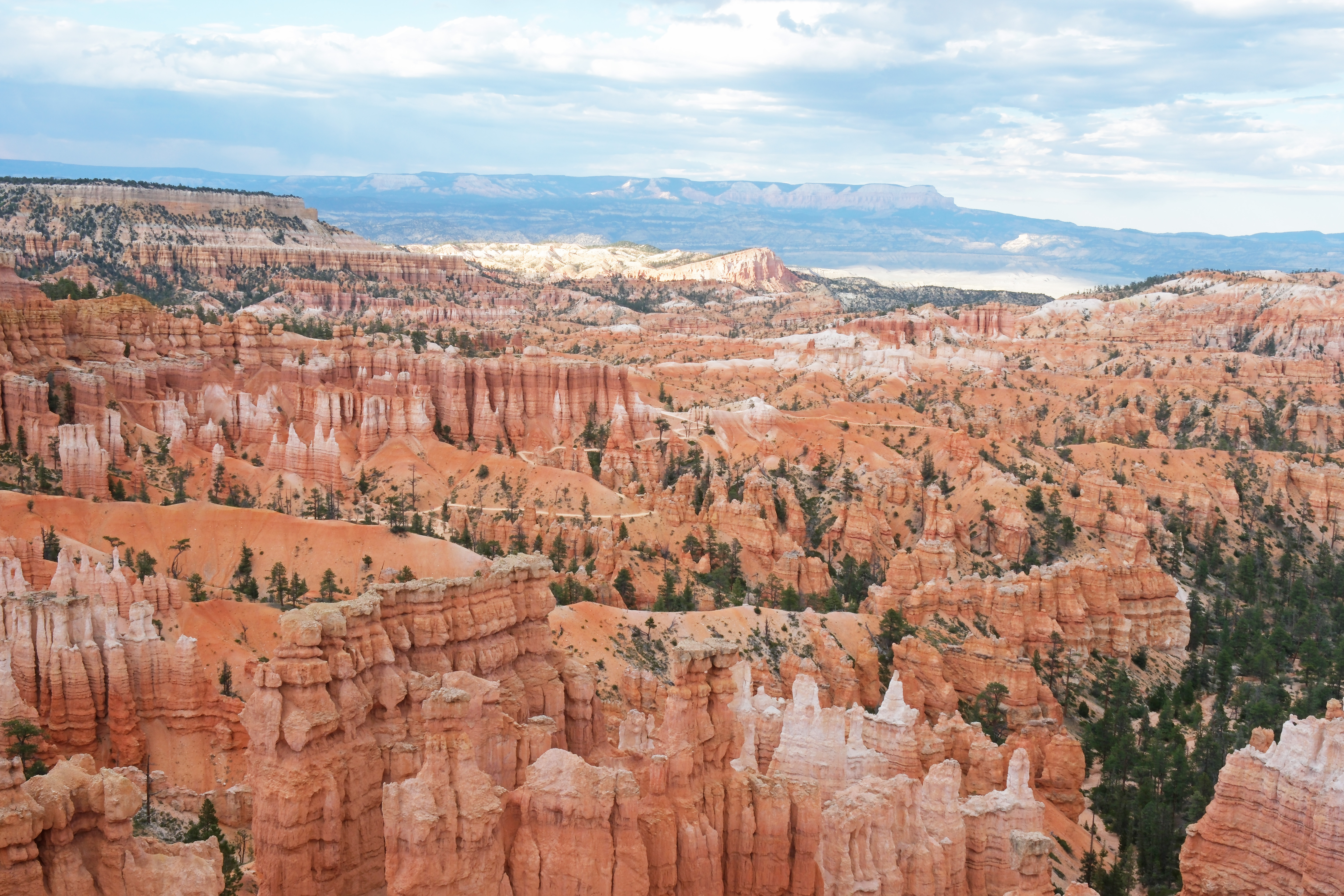
I’d advise walking out to Yovimpa Point first (or skipping it altogether) to spend more time marveling at Rainbow Point. In a word, it’s simply stunning, but you can see for yourself in the photo below.
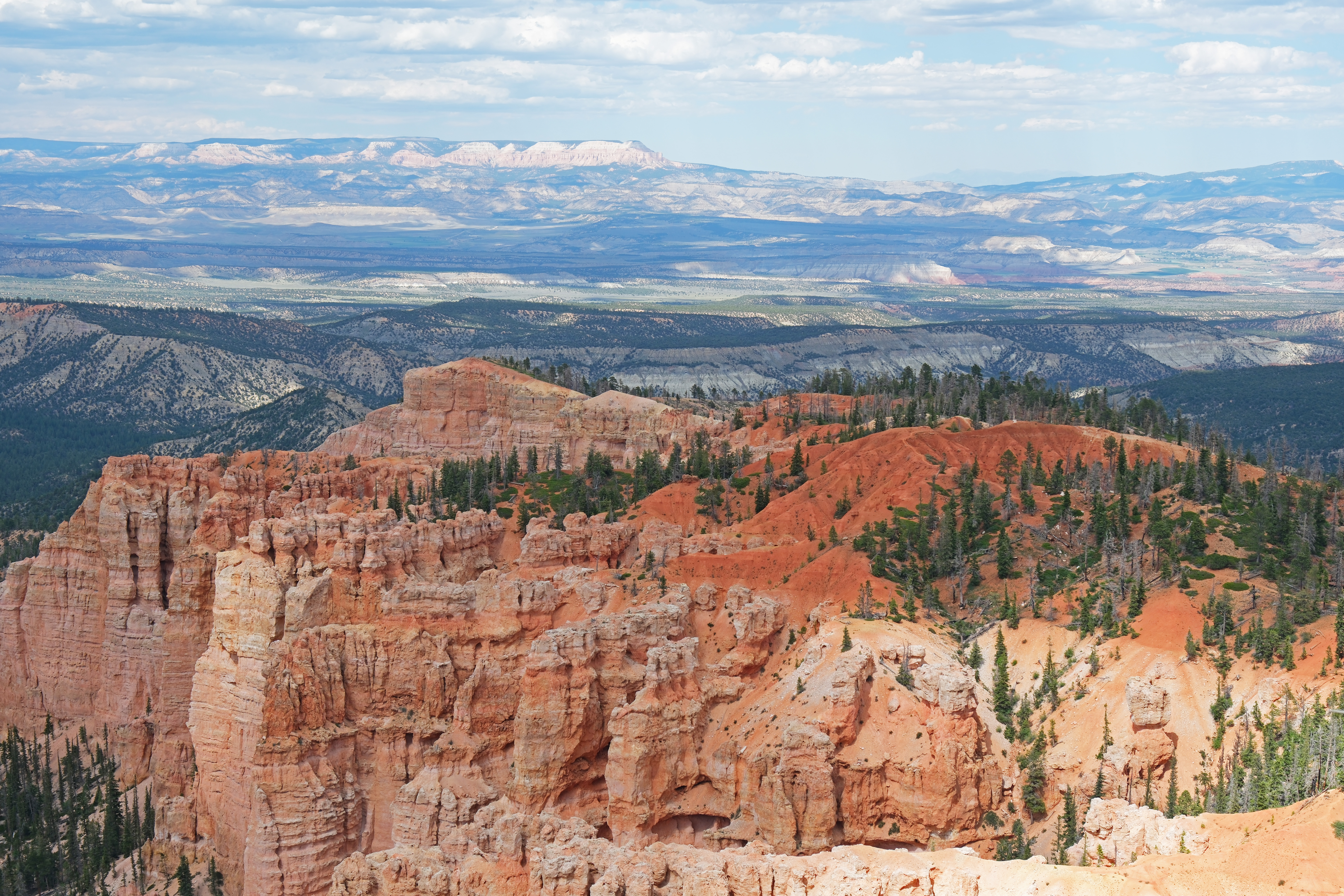
I’d just had one tiny taste of hoodoos and already I knew this was going to be one of my favorite national parks.
We had set aside all afternoon for the scenic drive because I hate being rushed and the park service suggested 2-3 hours for the drive. Now, I kind of feel like that estimate might be if you’re walking, not driving! There aren’t many hiking paths out on the drive, like I mentioned, those are mostly in the Bryce Amphitheater area, so these really are pull over, enjoy the scenery, and photograph it if you like spots.
I’m fairly sure this next photo is from Agua Canyon, another stunning location, though if I’m being honest, Bryce Canyon doesn’t have a bad viewpoint! The Natural Bridge was shaded, but it was fun to see yet another arch. We also stopped at Black Birch Canyon and Ponderosa Canyon.
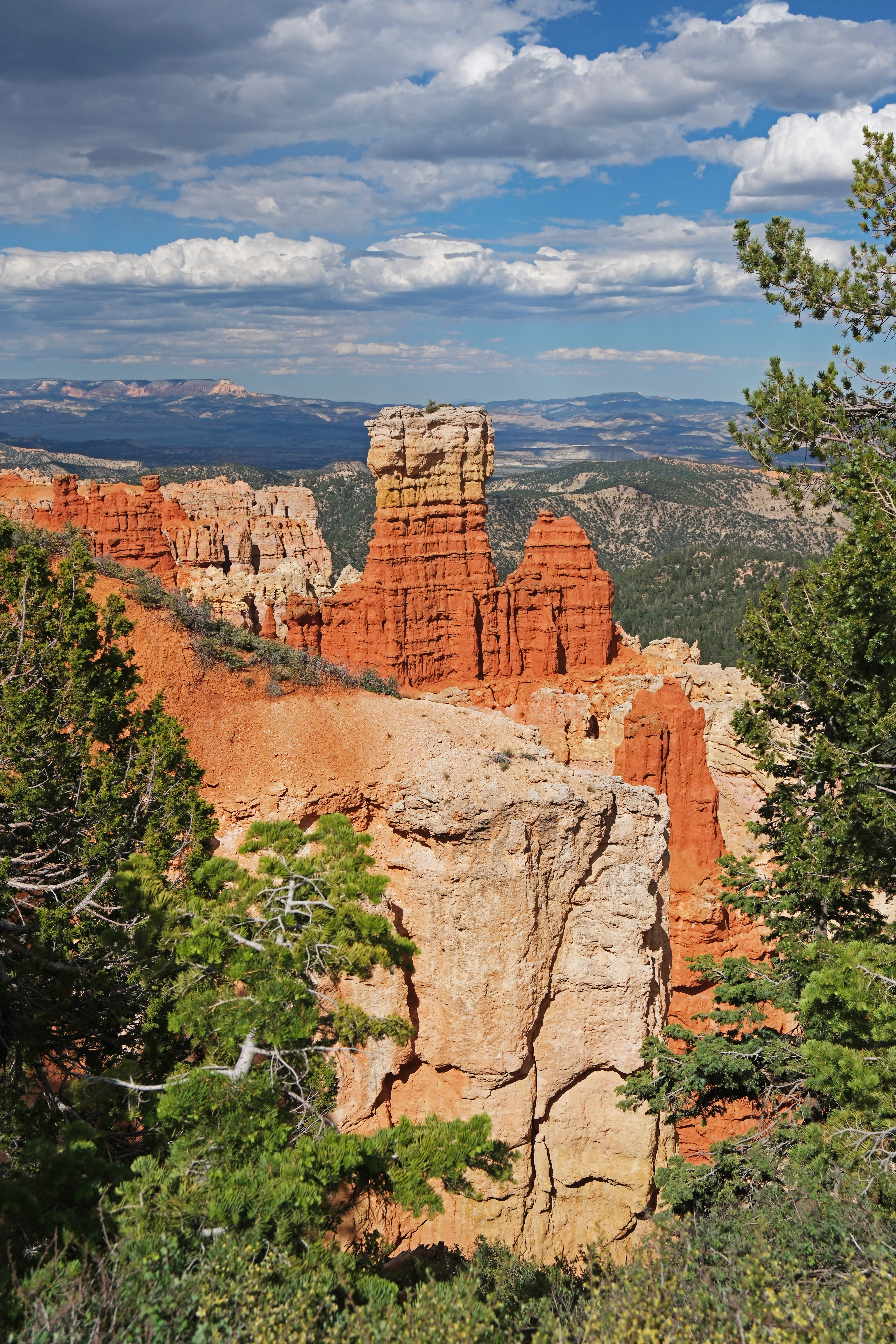
Another favorite stop of mine was Farview Point. It had big vistas just like Rainbow Point and this summer would solidify my love of being high among the vistas instead of low in the canyons.
Another thing I noticed? The clouds! We hadn’t seen any for days and while we worried about potential rain, I appreciated the partial sun protection and the beauty they offered.

Our last stops along the scenic drive were Piracy Point (great name!) and Swamp Canyon. Because the drive ended so much earlier than anticipated, we decided to visit Sunset Point inside Bryce Amphitheater. However, it was nowhere near sunset!
So we stared walking the Rim Trail over to Sunrise Point (with me stopping every 3.2 seconds for yet another photo).

We had planned on hiking Queen’s Garden Loop and Navajo Loop Trail in the morning, descending at Sunrise Point and ascending at Sunset Point. But we looked out into the distance and saw far out storm clouds rolling in. We didn’t have enough reception to check the weather, but we thought we might be better off getting our hike in that evening versus the following morning.
After a couple more snaps, we started our descent into the canyon.
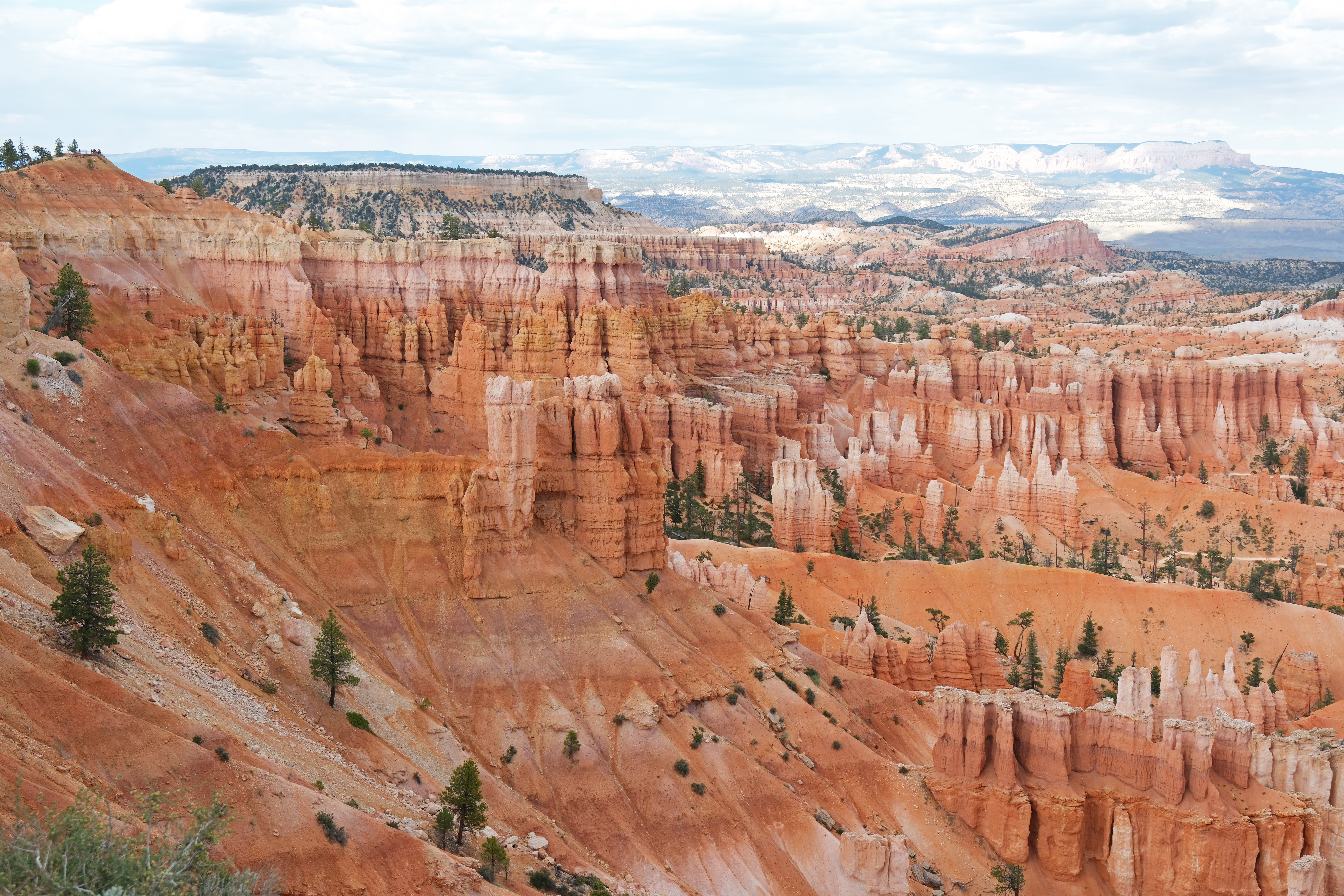
The hike was supposed to take 2-3 hours, but so was our scenic drive! We figured if we could do the drive in a fraction of the time, we could do the hike faster too. We started at the Queen’s Garden Trail because it’s the least difficult of the trails descending from the rim into the Bryce Canyon Amphitheater.
In no time at all we found ourselves at the bottom of the canyon. This combination loop is one of the most popular at the park and while we encountered plenty of people up on the rim, we only came across a handful of people in the canyon itself.
Instead, we got up close and personal with the hoodoos (by now you could officially call me obsessed) and what ChatGPT has led me to believe is a Uinta Ground Squirrel. This one was teeny tiny, but didn’t have any stripes like the other rodents in the area. Just like the other rodents on our previous hikes, this one had zero fear of humans.
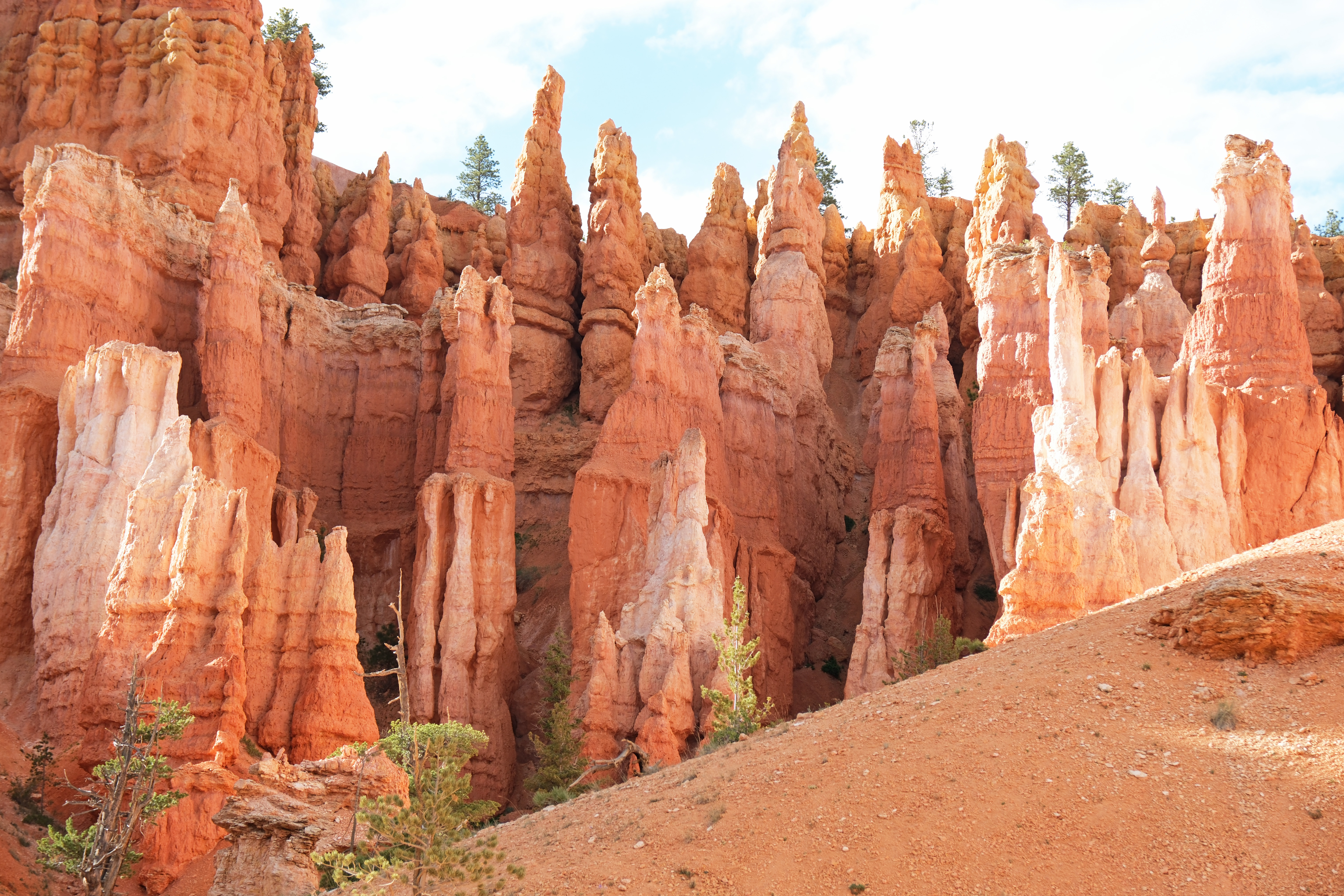
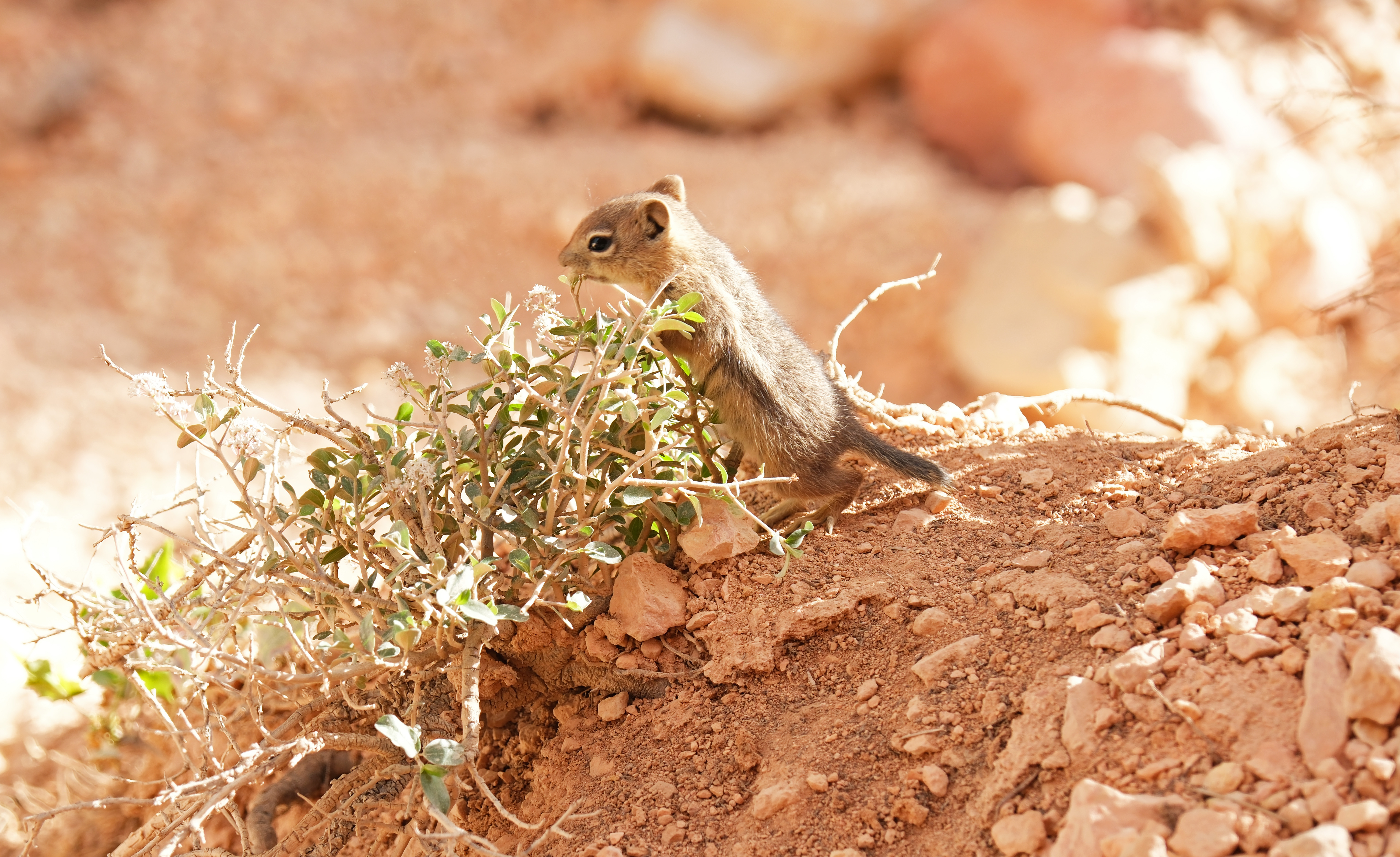
Who knows why we thought we could out-hike the rain, but it found us in the canyon. That said, all we got was a light sprinkling, which ended up being just fine. It was actually pretty refreshing, even though the temperature was already great, not much to complain about in the low to mid 70s.
Just like we’d predicted, the hike took us just under 90 minutes (though I admit, the switchbacks going up Navajo Loop Trail required a pause or two for me). In fact, it left me wanting to explore even more hikes in the area! However, we still needed to eat some dinner, so after a few more photos, we started to make our way out of the park.

But I’m sure you can understand why it was difficult to leave views like this. Even though Bryce Canyon was our seventh national park of the summer, there was something about it that made it feel like the most unique.
Turns out, we’re not the only ones who feel that way. Around the same time, Chandler had stumbled across a podcast made by two people who had visited every single national park in the span of one year. One of the hosts said Bryce Canyon was his favorite. The scenery is amazing, the crowds are minimal (we were really going to understand that once we got to Zion!), and the weather was perfect.
I don’t know that I can say that Bryce Canyon is my favorite national park, but it’s certainly my favorite of the four we visited in Utah!
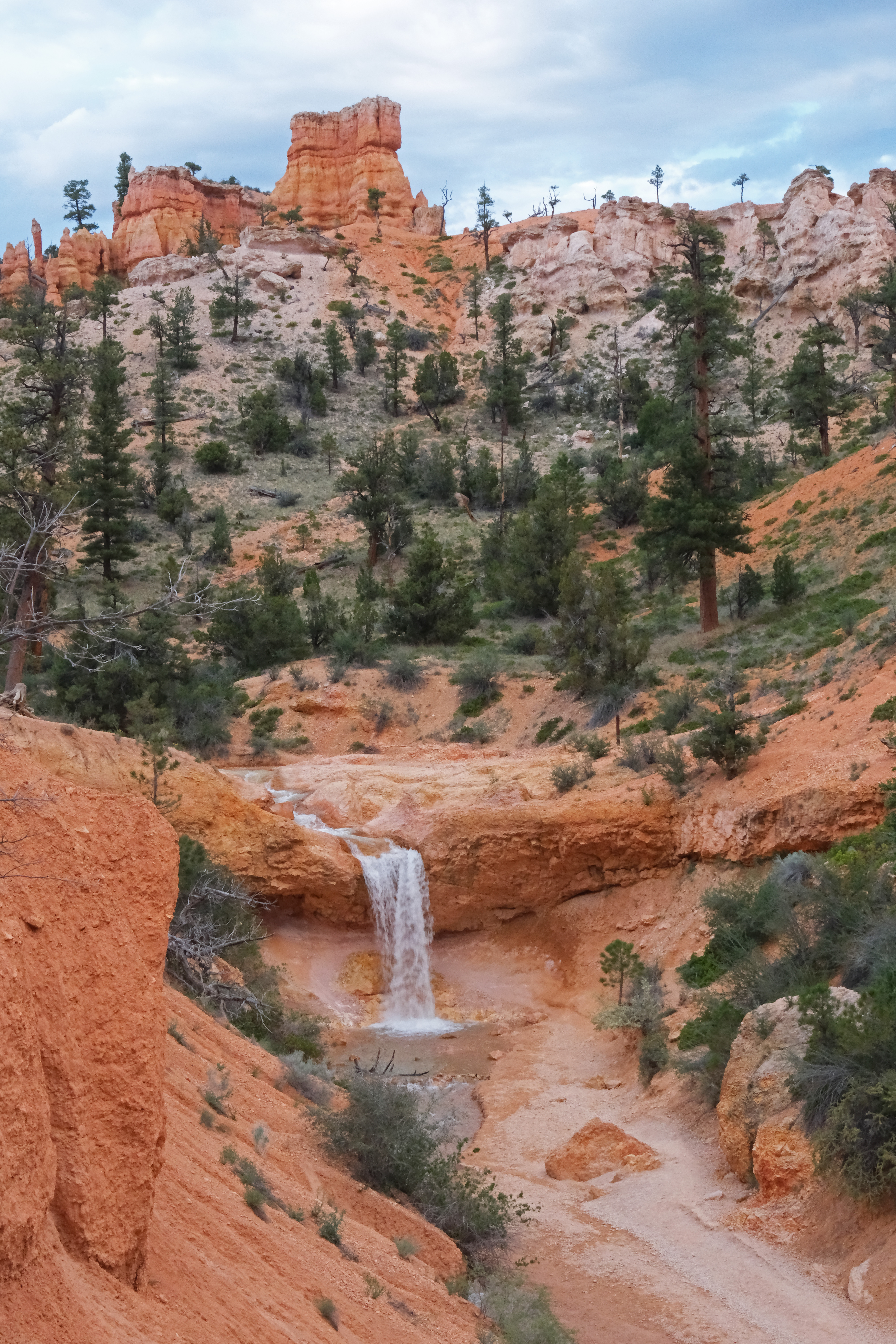
On the drive back to our cabin, we passed a sign for the Mossy Cave Trail. It’s one of the lowest elevation hikes in the park and the trail is outside the visitor’s center. At the time, I didn’t know anything about it other than its name (which was incredibly enticing for me). The parking lot had been full when we’d driven past the first time, but now it was nearly empty. We pulled up to see how long the hike would take and when we saw 30-60 minutes, we vowed to do it in 15-20.
Now, spoiler, the mossy cave name is a bit of an exaggeration, but the waterfall and bridges more than made up for that fact. The trail was a breeze and we met our goal no problem.
The next morning was chilly and overcast (an anomaly on our trip!) and I was grateful we’d been able to fit in our scenic drive and hikes the evening before. We opted for a lazy morning enjoying our cabin before heading off to what we already knew was sure to be one of the busiest parks of the summer: Zion.
 Abroad With Ashley