
Yellowstone was our northernmost national park and when we reached it, we finally felt like our summer road trip was coming to a close. But before we made it to Yellowstone, we ate lunch in Grand Teton.
Grand Teton National Park wasn’t on our initial list (just like Kings Canyon & Guadalupe Mountains). We were driving to Yellowstone from Salt Lake City and the drive was supposed to take just under five hours. Adding Grand Teton would up our drive time to 7.5 hours, which we weren’t thrilled about.
But the question that seemed to drive decisions on our road trip came up: When would we ever be this close? Wyoming isn’t really near anything – ok, Montana, Idaho, Utah, Colorado, Nebraska, and South Dakota, but most of those don’t really count!
Once we made the decision to visit Grand Teton, I stressed about which stops to make. We didn’t have any “extra” time there, with our focus being Yellowstone. In the end, we decided to spend time at Jenny Lake Overlook and Oxbow Bend Turnout. Snake River Overlook nearly made the cut, but it would have required more backtracking than we had time for (it’s famous for a gorgeous photograph taken by Ansel Adams).
Jenny Lake Overlook is the most popular destination in the park. So you can understand my dismay when we arrived to find the road closed. I was absolutely devastated (especially because had I known, we would have gone to Snake River Overlook instead). In my indecision, we backtracked a ways and ended up eating lunch at Cascade Canyon Turnout. Look how hideous it was:

Ok, clearly I’m kidding. The location was absolutely gorgeous. And fun fact – no one had listed Cascade Canyon Turnout as a “must see” in the park.
After eating lunch and collecting my thoughts, we backtracked a bit more to get to the Jenny Lake Visitor Center. Parking was bananas – miles out (likely because the overlook was closed), but we drove right up to the parking lot and found a spot in front of the visitor center. Incredible.
We walked a short, paved path to get some lovely views of the mountains beyond the lake.
Then we hopped back in the car and made our way to Oxbow Bend Turnout, passing by an incredible scene at the Jackson Lake Dam. We were beginning to realize – Grand Teton has no bad angles or viewpoints.
Oxbow Bend Turnout was clearly no exception:
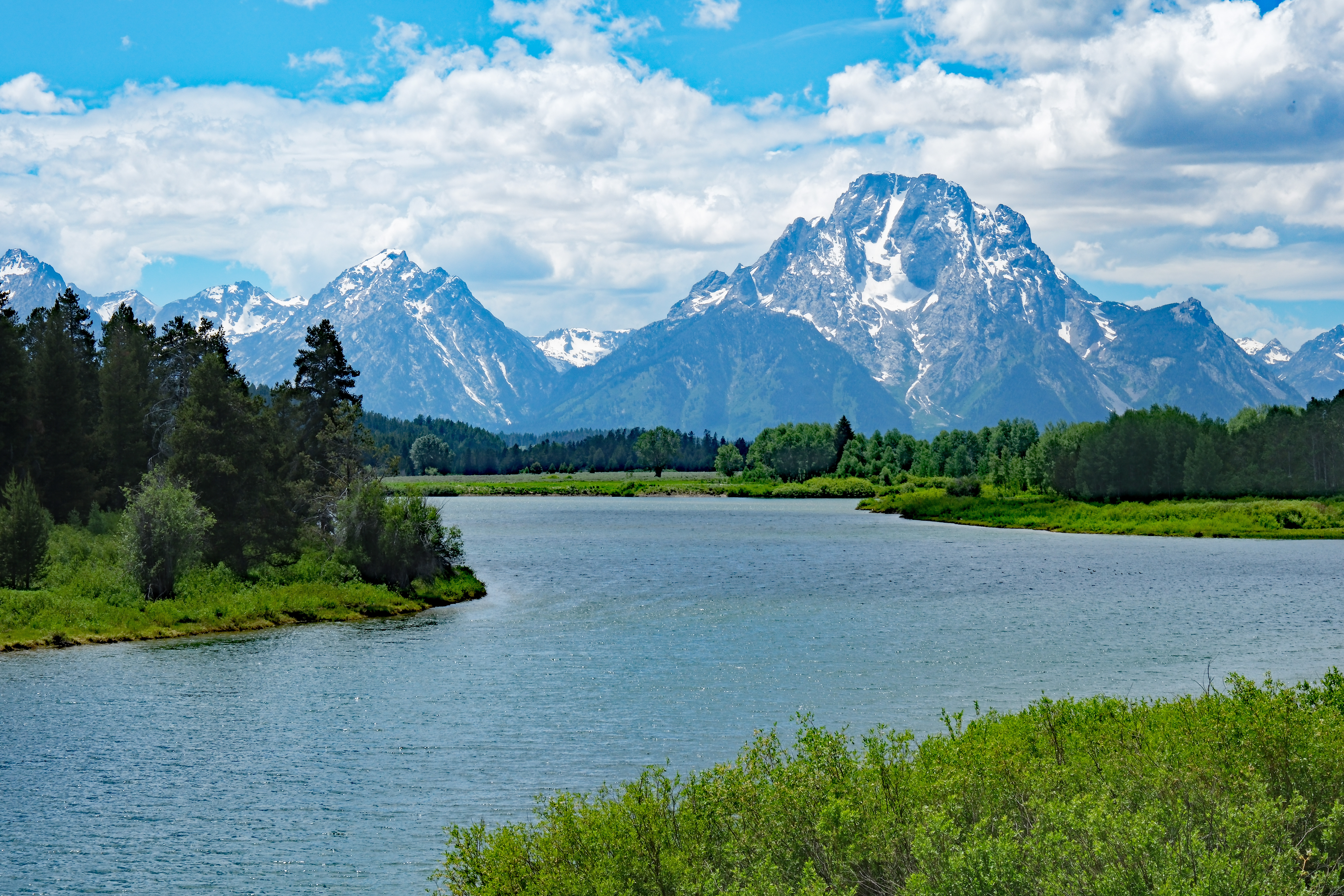
I wished that I had brought a second lunch so that we could justify spending more time at the turnout.
After that, we made our way north, heading out of Grand Teton and into Yellowstone – but not before pulling over to take one last incredible shot of the mountains at Jackson Lake Overlook.

The distance between the two national parks is only 30 miles. It almost makes it feel silly that they’re two separate parks – but they couldn’t feel more different. Grand Teton was majestic and quiet and calm. Yellowstone was anything but. It probably didn’t help that the first thing we encountered in Yellowstone was road construction, but it felt very telling.
Time for some more fun facts: Yellowstone is considered the first national park in the world. It was established on March 1, 1872. Grand Teton wasn’t made a national park until February 26, 1929, but at the time only the Teton range and lakes were protected. It wasn’t until 1950 that the park was expanded to include the surrounding valley.
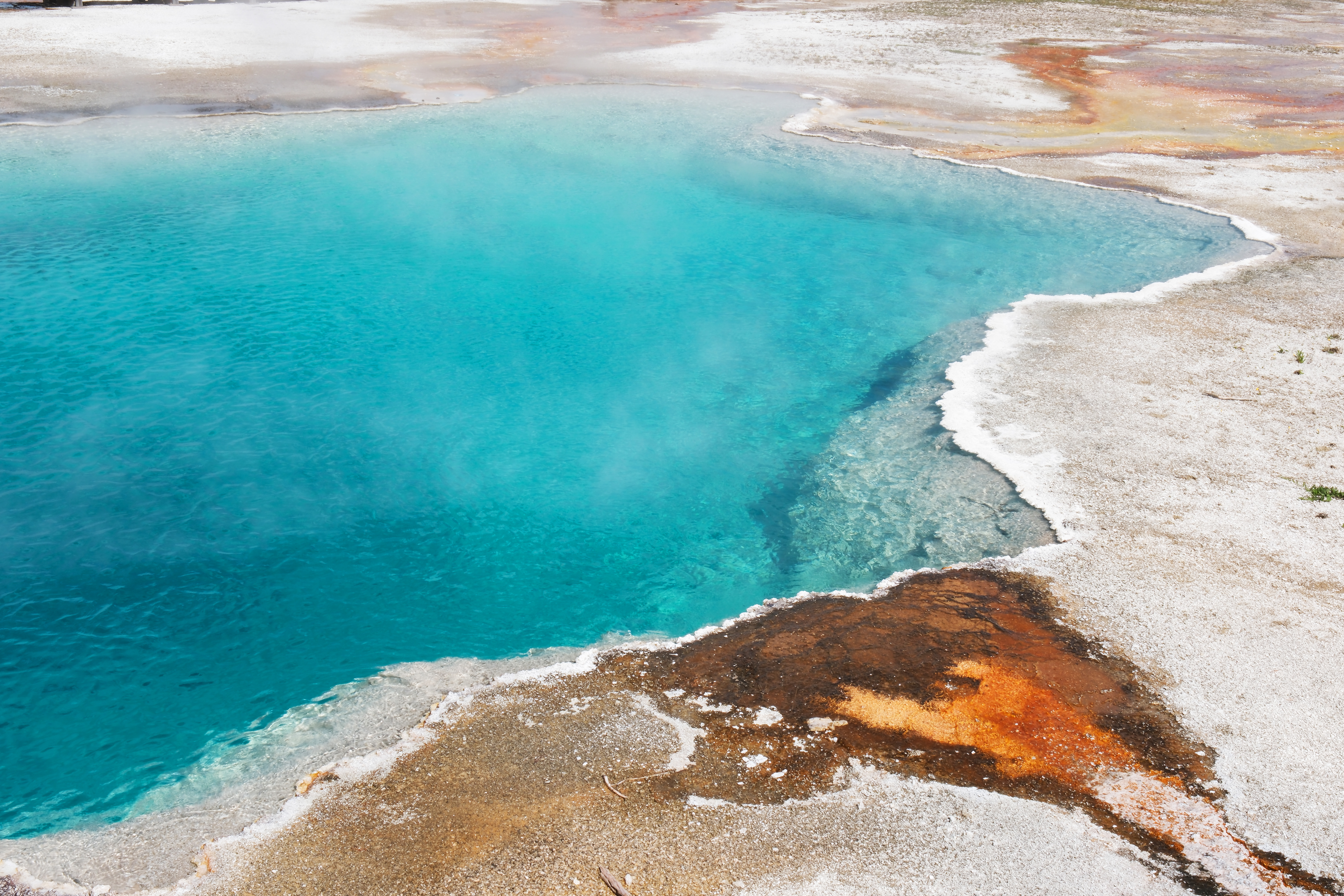
Our first stop in Yellowstone was at the West Thumb Geyser Basin. I have to say, the hot springs at this stop were fairly oversold. There’s the Abyss Pool (53 feet deep) and Fishing Cone, and numerous other lesser known hydrothermal features. However, the only one that held any charm for me was Black Pool (pictured below and clearly not black!).
Our next stop was what I was 100% looking forward to most: Grand Prismatic Spring at the Midway Geyser Basin. In fact, we drove right past Old Faithful to get there. As I mentioned before, we had limited time (not only was Grand Teton not originally part of our road trip, Yellowstone was a last minute addition as well!). We didn’t want to sit around waiting (potentially up to an hour) for that geyser to erupt.
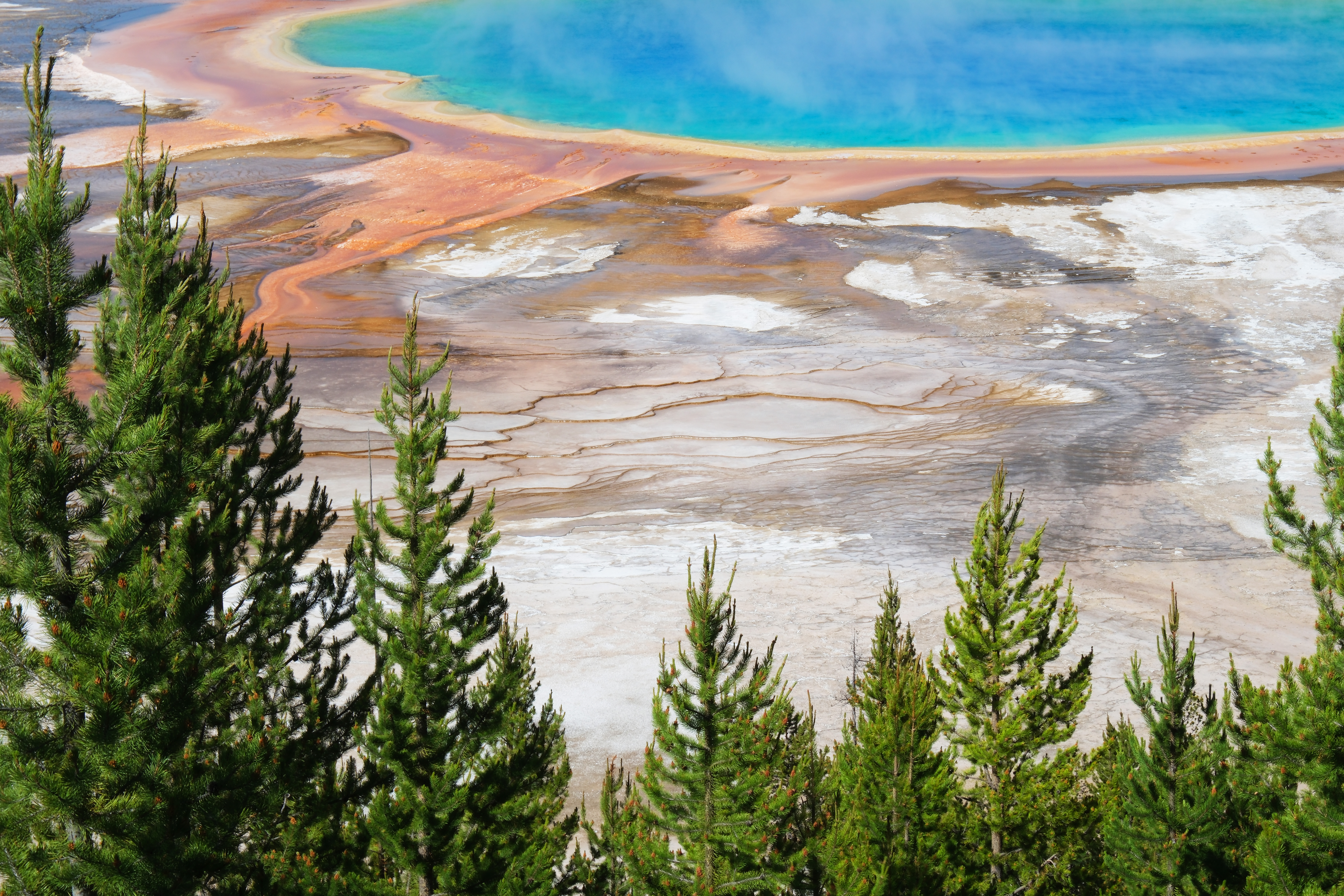
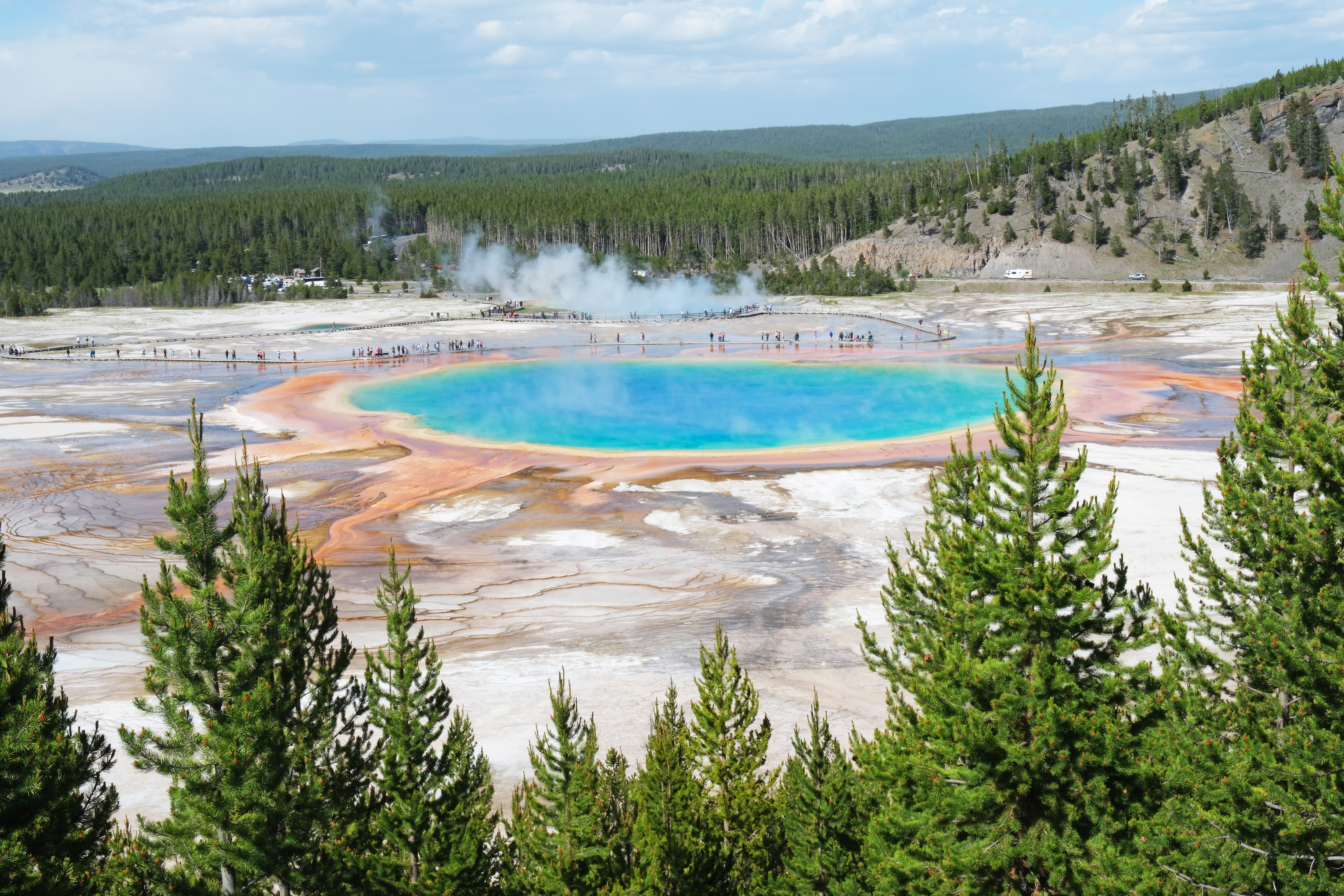
But I was thrilled to see Grand Prismatic Spring. The photos that I had seen were mesmerizing. It’s the largest hot spring in the United States and the third largest in the world. And the best part – it looks like a liquid rainbow. The best way to see the hot spring isn’t from the boardwalk, but from an overlook trail that starts at the Fairy Falls Trailhead. The hike is only a mile round trip and well worth it for the views:
Chandler thought we were done at this point, but just because we’d seen the hot spring from a distance, didn’t mean I didn’t want to see it up close as well.
There were two major issues with this: Because we’d driven into the park from a long distance, it was well into the afternoon and parking at the Midway Geyser Basin is extremely limited. The queue to get in the parking lot was daunting. Additionally, it was incredibly windy that day and hot springs emit steam, which was whipping around, obscuring everyone’s vision.
We persevered and finally got a parking spot. Farther away from the center of the hot spring, the ground is brown, but has beautiful lines and cracks running through it.
Most of the time on the boardwalk (which did feel a bit like being at a zoo) the only thing we could see was the steam. But every once in a while, the wind would change direction and when it did, we could see the bright colors of Grand Prismatic Spring.

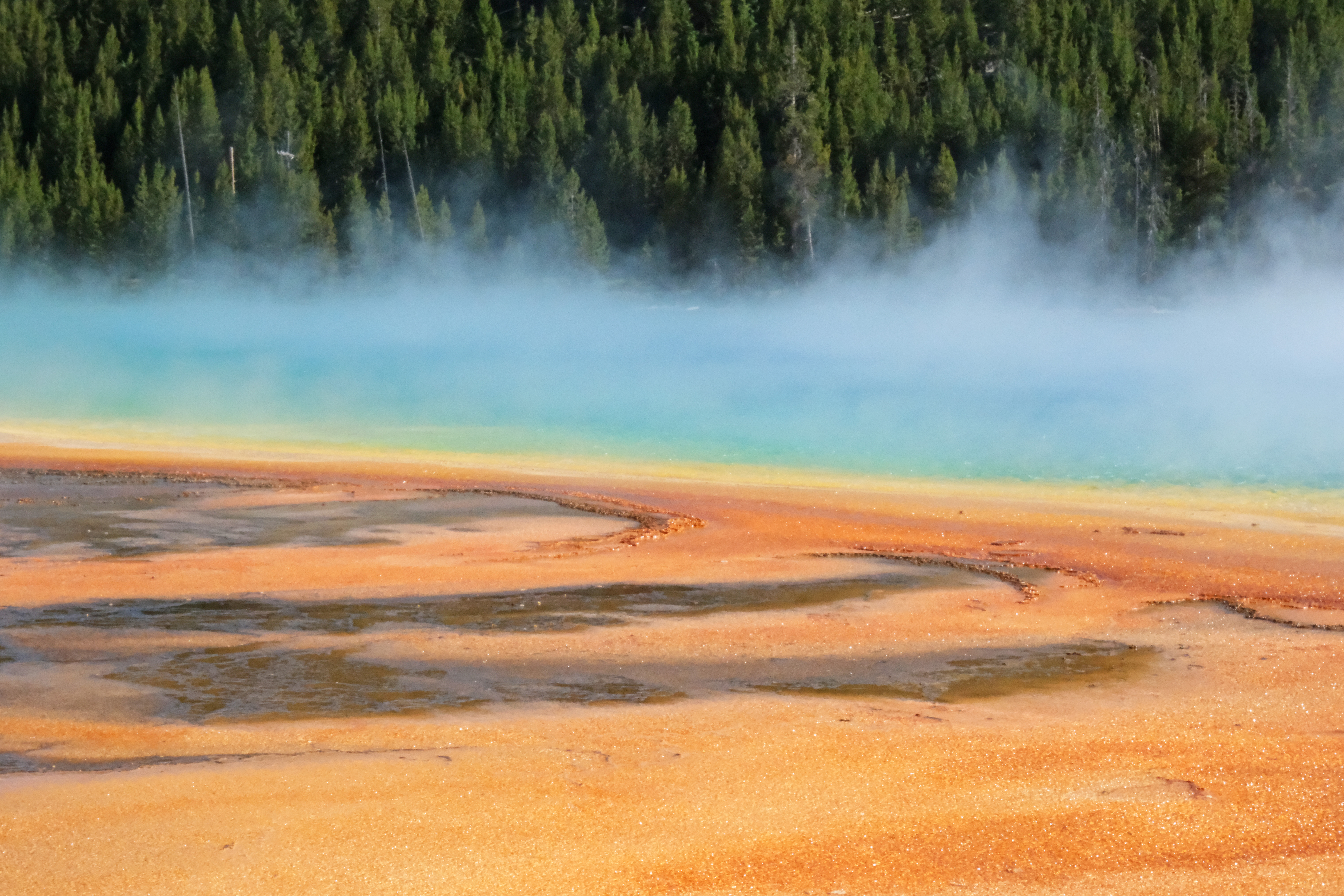
It was beautiful up close, but probably not worth the hour it took to get from one parking lot to the next. If you’re only going to choose one, I absolutely recommend the lookout. If you’re going to go to the boardwalk, go early and hope for a windless day!
At this point, sunset was soon approaching and we figured it was time to get out of the park and check into our hotel in West Yellowstone. This drive is supposed to take around 40 minutes. However, when we got close to the turnoff, we came to a complete standstill. It took over an hour for us to go two miles. I think it’s the worst traffic we’ve ever been in.
Shortly after the turnoff, we discovered the issue. There’s a small overlook with a handful of parking spots. Apparently, enough people wanted to park there that they stopped in the road, preventing all vehicles from going around them. There’s a lot that national parks can do to limit the number of visitors, but you can’t account for everyone who is going to put their whims above thousands of others (on average, Yellowstone has between 30,000-35,000 visitors daily in the summer).
Past the overlook, we made our way out of the park with ease, but I can’t say that we arrived at our hotel in high spirits after that.
Our next day was also at Yellowstone. We had debated early on what we wanted to see when we decided to add the park to our itinerary. Some of the options seriously considered were Artist Point, Lamar Valley, and Mammoth Hot Springs. Artist Point is located at what is considered the Grand Canyon of Yellowstone. The problem is, the viewpoint is an hour and 15 minutes east of West Yellowstone. There used to be a 300-step steel staircase leading to the lower falls, but it’s been permanently closed. Meaning you’d have to drive that entire distance simply to pull over and take a photo.
Now don’t get me wrong – photos of Artist Point are incredible. But Chandler correctly pointed out that we’d just been to the actual Grand Canyon and he does most of the driving in the national parks. From Artist Point, we’d considered heading to Lamar Valley – known as the American Serengeti, it’s where you can see wolves, bison, pronghorn, grizzly bears, and more.
However, back in December we’d made the decision to accept jobs in Dakar, Senegal and we knew visiting the actual Serengeti would become a lot more feasible for us. To be honest, lions, elephants, giraffes, leopards, rhinos, and buffaloes are a bit more tempting for us.
Plus, the drive from artist point would be another hour – and that’s just to get to the valley. I’d read dozens of reviews of people doing exactly what we’d experienced the day before – stopping their car in the middle of the road, with miles of cars backed up behind them.
After all of that, there’d be one stop left on our list: Mammoth Hot Springs would be yet another hour away from Lamar Valley. Here, we’d finally be able to get out of the car and do some walking (Chandler was never going to hike with bears and wolves around!). After seeing the diversity of springs, it would be a final hour and fifteen minutes back to West Yellowstone. Putting the day’s drive time at four hours (best case scenario), plus however long we’d stay in Lamar Valley. Both of us felt like it was a no.
Which is why, in the end, we decided to take a completely different route and just head to Mammoth Hot Springs for the morning.
We woke up early because we’d had an epiphany: Yellowstone is not our national park. But once I have it in my mind to do something, I’m hard to dissuade. So yes, we were going to see Mammoth Hot Springs, but instead of spending a second night in West Yellowstone, we were going to drive back to Salt Lake City.
We’d spent a night there before our drive to Grand Teton and I’ll share more in my next post, but we absolutely fell in love with the city. We had the exact opposite reaction to West Yellowstone. We were even willing to eat the price of our hotel in West Yellowstone and book the bonus night in Salt Lake City (something we didn’t have to do – our hotel in West Yellowstone was able to find someone to take our reservation and they refunded our money!).
So, with an early morning start, we were some of the first in the park. We made the hour and fifteen-minute drive in exactly that – an hour and fifteen minutes. No surprises! But we did pull over to enjoy the view at the Gallatin Range.

We parked at the bottom of Mammoth Hot Springs so that we could work our way up the boardwalk. Our walk started with a bang – Devil’s Thumb and Palette Spring. I loved the combination of white, gray, and bronze, especially with the blue sky in the background.
Turns out that heat-loving microorganisms called thermophiles live in Palette Spring’s warm waters and they’re what create the colorful hues that make the terraces so stunning.

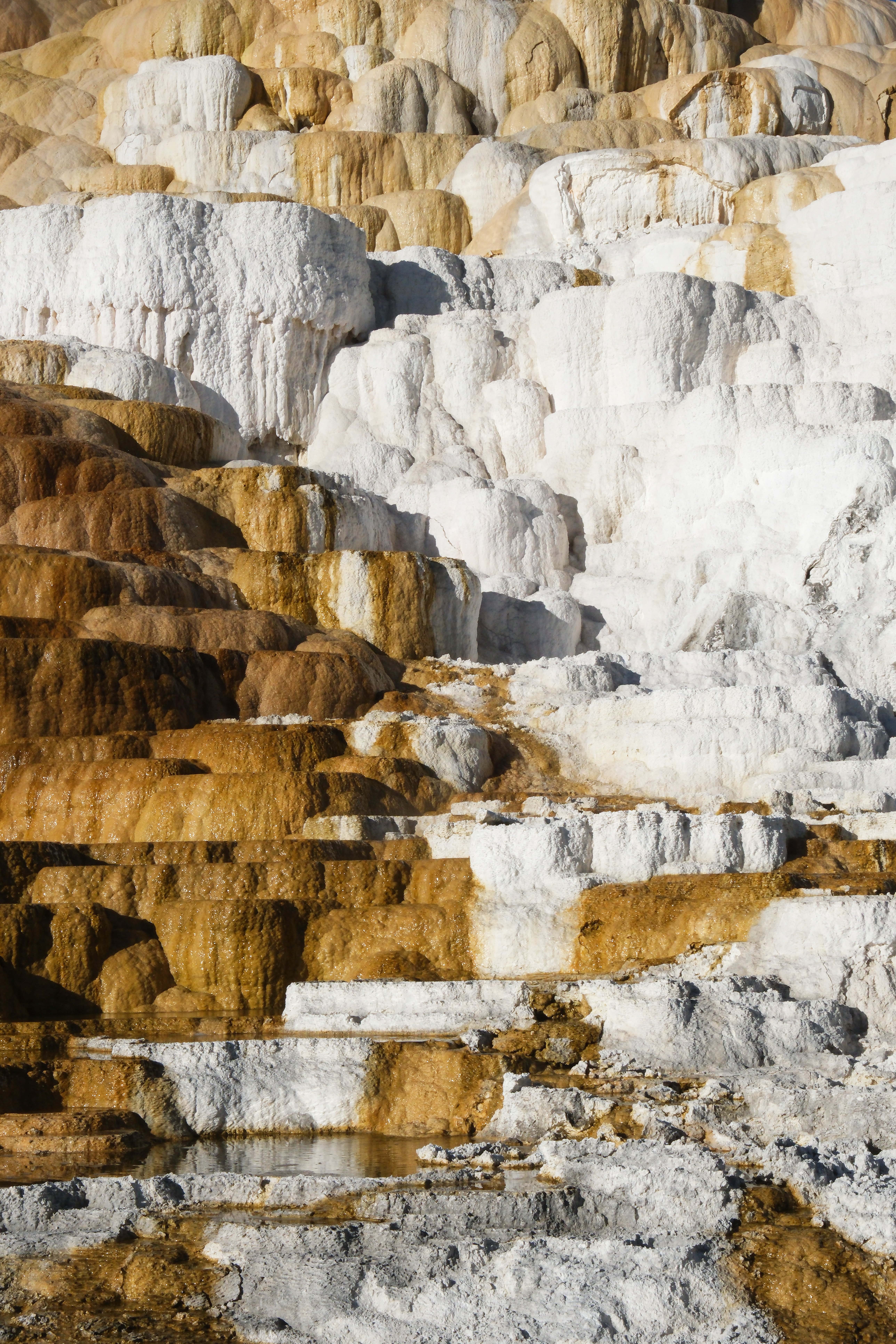
We walked up past more springs that simply looked like dirty snow (a fun scene in June) to the next set of terraces. This time we found Mound Spring, which looked inviting enough to swim in, if not for the heat of the springs (they can burn!) and the fungi that can thrive in them.
There were more beautiful springs of orange, yellow, and bronze. But this time the steam and the sunlight made them glow, giving them an almost magical quality. They were definitely living up to the hype and I was glad Mammoth was the stop that we had stuck with.
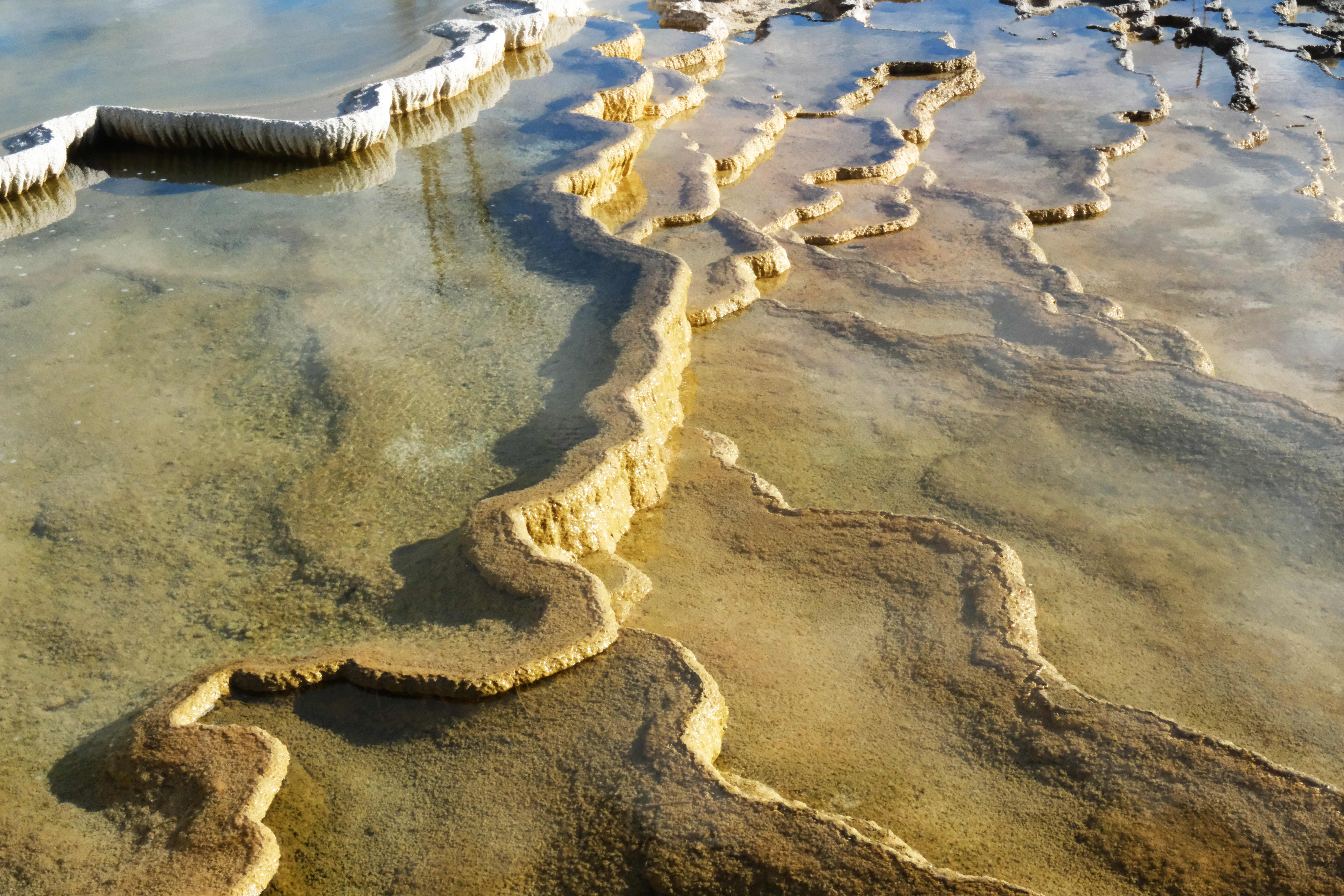


Near the top, we made it to New Blue Spring – oddly named just like Black Pool, because New Blue Spring is actually white. But this time, it looked like clean snow! And the views of the valley below were absolutely stunning.
Overall, we probably spent ninety minutes at the hot springs. By the time we were leaving, the boardwalks were absolutely filling up, but during our initial time, we encountered few others.


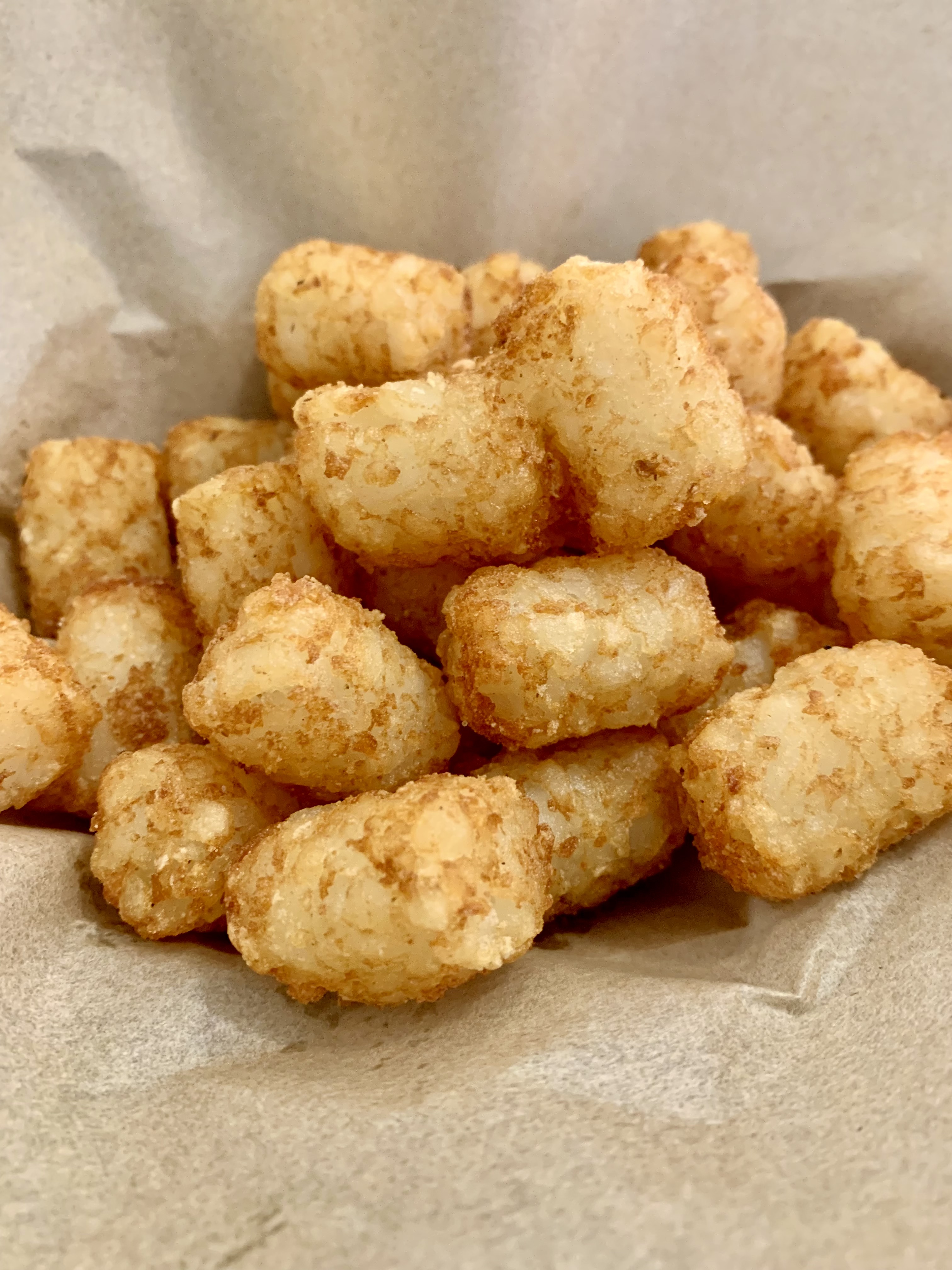
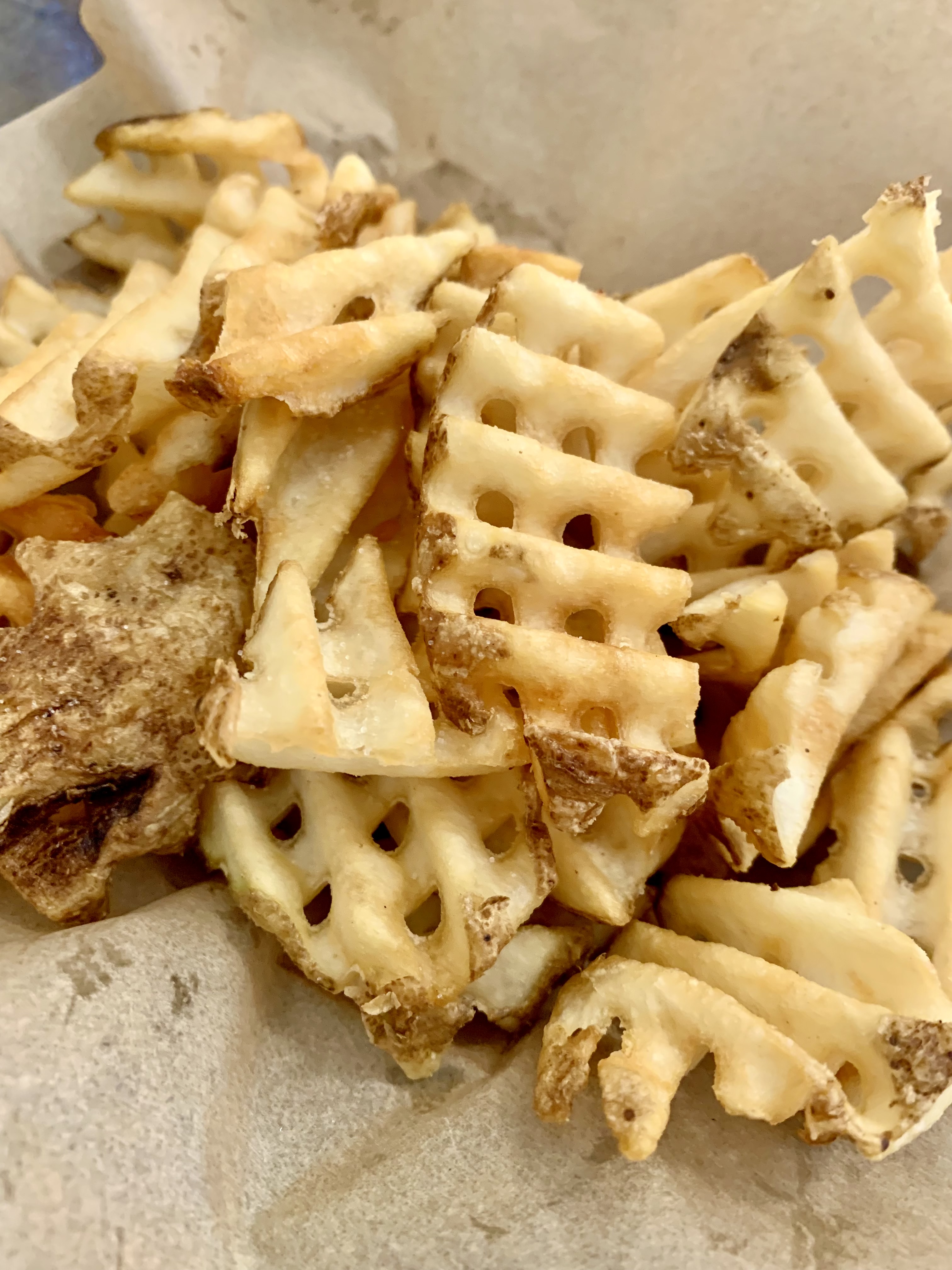
As we drove out of the park, we made plans for the rest of our day. We’d head back to West Yellowstone, pick up our bags, and drive back to Salt Lake City with a stop in Idaho for lunch. Why Idaho? Because the city of Blackfoot is home of the Idaho Potato Museum & Potato Station Cafe. The museum itself seemed more geared to kids and we didn’t purchase tickets. What did we purchase? Tater tots, home fries, and waffle fries. A veritable fried feast.
Everything was delicious, but the tots were king (a difficult feat with how delicious the waffle fries were as well!).

Now, you may be worried that we left Yellowstone National Park without seeing everything there was to see. But don’t worry, on our drive out, we got to see the infamous bison.
Yellowstone may not have been the park for us, but we loved our time in Grand Teton and are so glad we included both parks on our summer road trip. At this point we only had one national park left: Rocky Mountain.

Final fun fact of the post: Did you know that Yellowstone was listed as a UNESCO World Heritage site in 1978? Other national parks that have this designation are Carlsbad Caverns, Everglades, Grand Canyon, Great Smoky Mountains, Hawaii Volcanoes, Mammoth Cave, Olympic, Redwood, Yosemite, & Mesa Verde.
We’ve had the pleasure of visiting seven of the eleven.
 Abroad With Ashley