We’re nearly at winter break, which means our first semester in Dakar is coming to a close. I probably could have written about our transition sooner, but this one has been a bit more difficult than our past two.
Accra, Ghana was stressful, but incredibly novel and fun, since it was the first time Chandler and I moved overseas together (we may have met in Ethiopia, but we moved there independently).
Amman, Jordan was surprisingly easy, possibly because we’d already visited the city, but also because we had a car.
I’m not sure if I could easily explain why Dakar is taking longer to settle into. This isn’t the first city we’ve lived in where English isn’t the most common language – but it’s always been second. This time around, English lags behind French and Wolof and I can’t easily communicate with others outside of our school community.
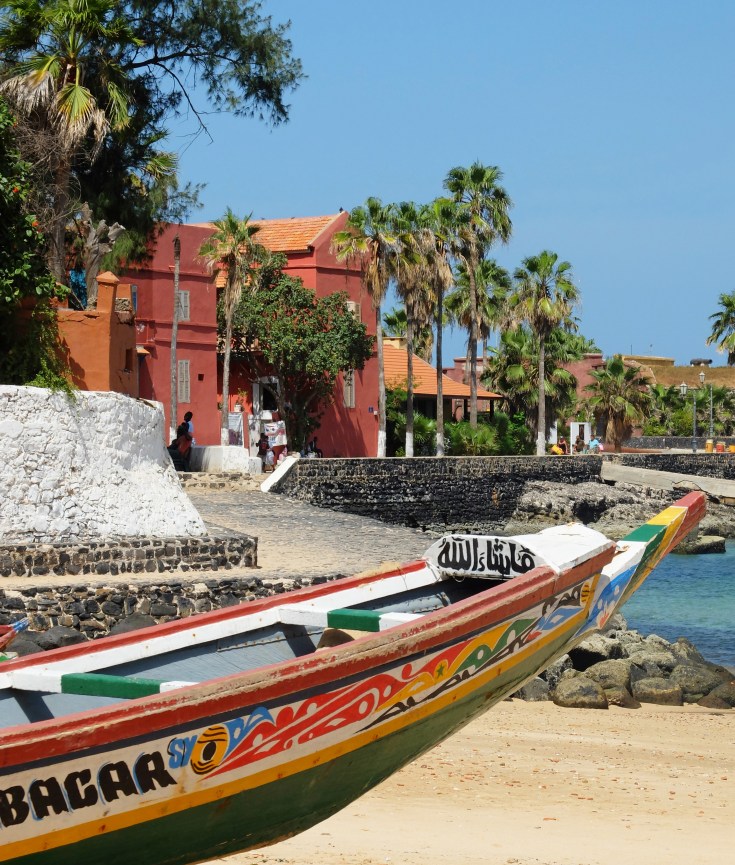
Additionally, our school has gone through a significant number of changes these last few months, which has made settling into a routine challenging. And our home is located on what is colloquially known as “shit street.” Because, yes, we’ve had open sewage running through the street on more than one occasion. (Photos can be deceiving!)

When we arrived at our home for the first time, I was pretty skeptical. But once I figured out that the bones of the apartment were good, I was on a mission. We live on an upper floor, so we get an incredible amount of sunlight. And with three rooms, we can have a guest bedroom and a workout room.
So after a couple of trips to Orca and Decathlon, our home was functional. And less than a month later, our shipment arrived. We’d never shipped before, traveling only with things small enough to fit in our suitcases. But I cannot stress how utterly wonderful it’s been to sleep in our own bed, watch our TV from our couch, and make smoothies with our Vitamix! Ever since, we’ve felt right at home.
And we’re within walking distance to the cinema – Pathé Dakar. Which means we’ve gotten to see Alien Romulus, Joker: Folie à Deux, Gladiator 2, and Wicked (though I had to wait two weeks on Wicked, since opening weekend they only showed it dubbed in French).
We’ve found a few grocery stores to go to regularly – American Food Store for, you guessed it, American imports + vegan options; Auchan for fresh bread + frozen fruit; Sea Plaza Mall because there’s Le Paradis du Bio (an organic shop) in the basement; and produce deliveries from Club Tiossane.
But we’ve found the restaurant scene to be lacking. In fact, we’ve only returned to two restaurants during our time here – My Way for Lebanese food and Shaluc for Indian food. The rest really aren’t worth mentioning and even these two are good, not great.
We’ve ventured into the city a few times – always with low to mixed success.
The first thing we did was visit the Musée des Civilisations Noires (Museum of Black Civilizations) – we enjoyed the contemporary exhibit, but the rest of the museum was a pretty big miss. Until we got to Kehinde Wiley’s Dédale du Pouvoir (A Maze of Power) exhibit.
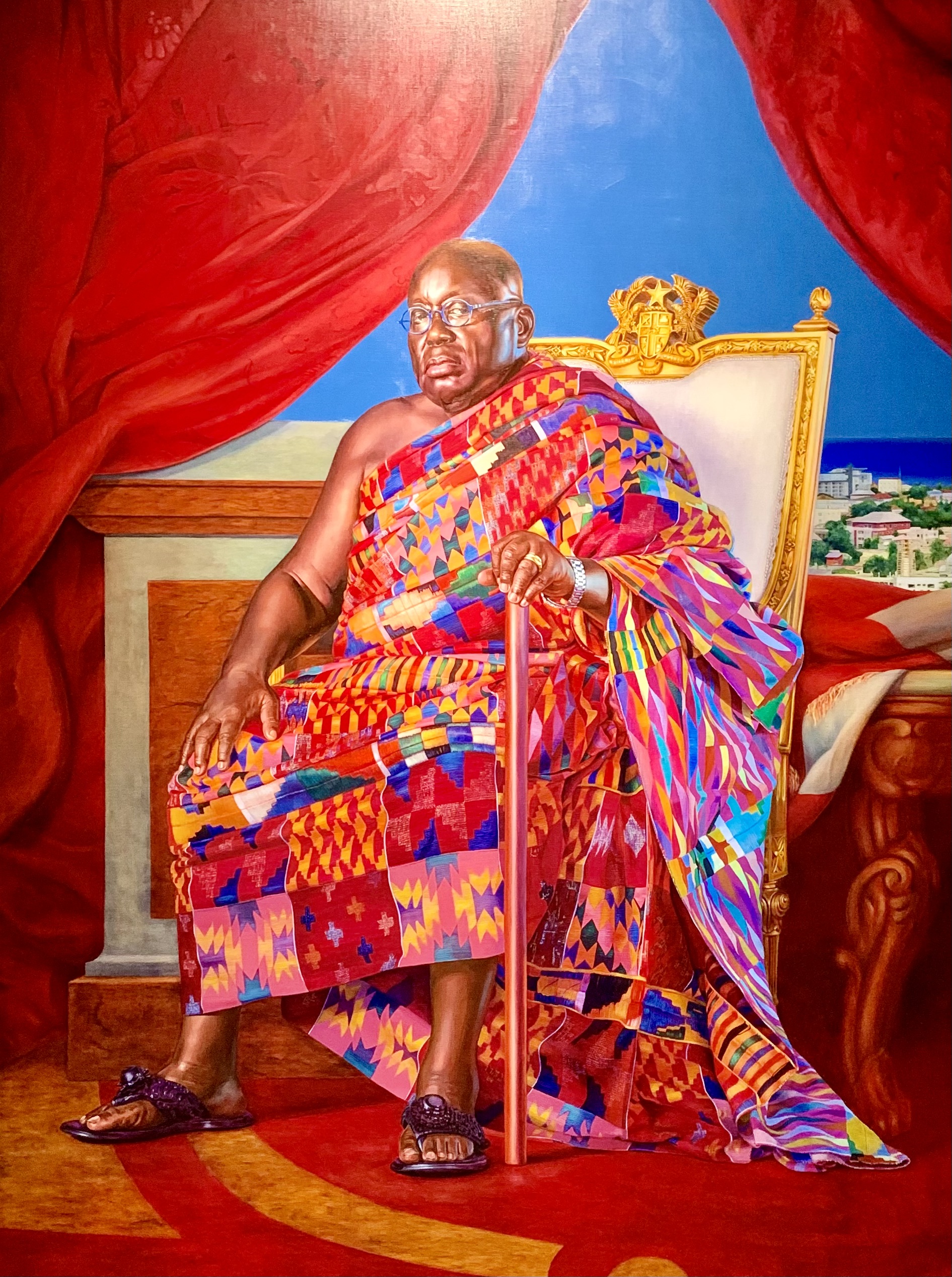
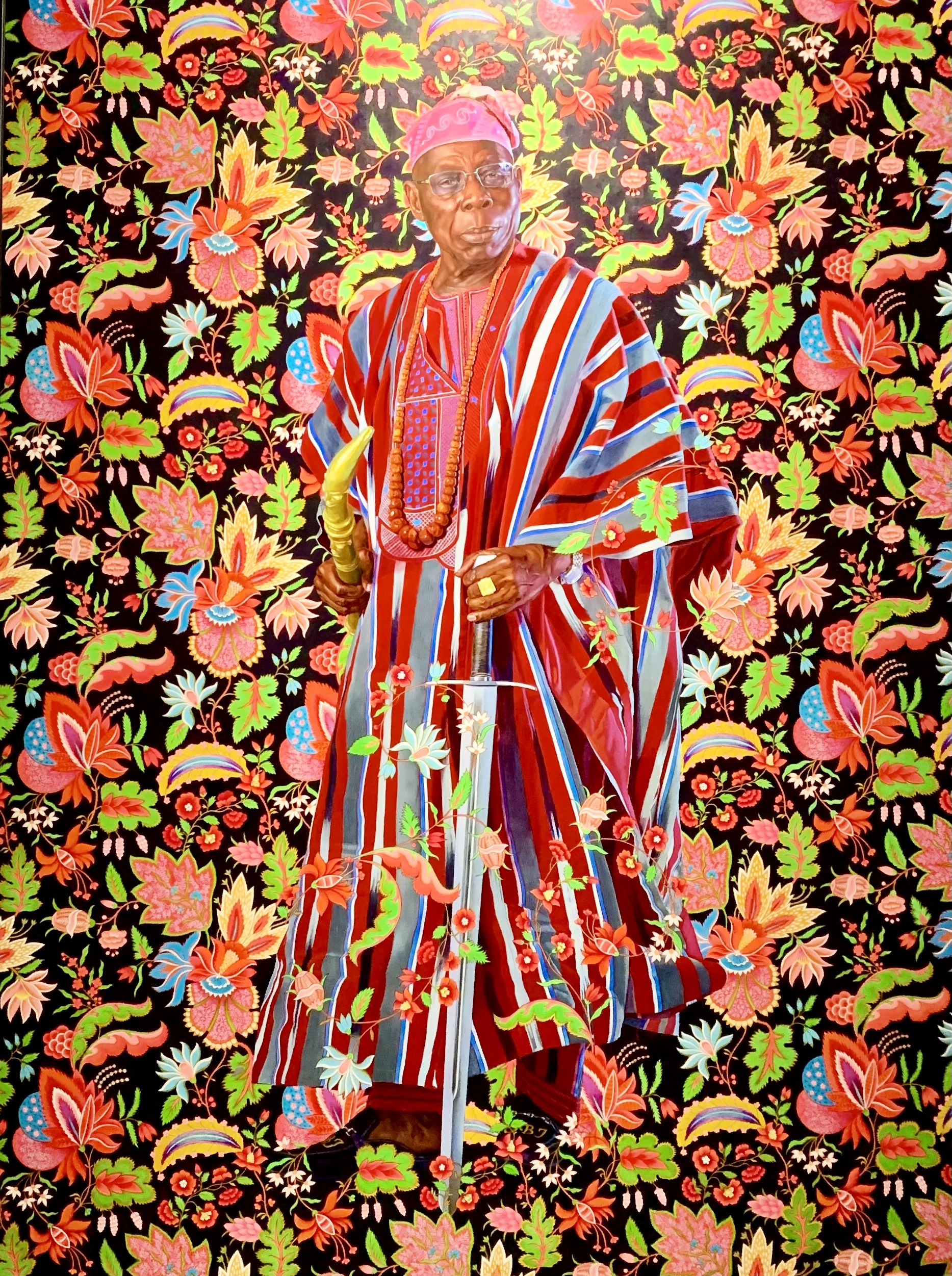
In 2018, Wiley painted the now iconic portrait of President Barack Obama. Afterward, he set about painting leaders throughout Africa (regardless of whether or not he agreed with their politics). Some got more traditional backgrounds, others have the bright, bold flowers that Wiley is known for.
Photographed below:
-Former President Sahle-Work Zewde [Ethiopia]
-Former President Macky Sall [Senegal]
-President Nana Akufo-Addo [Ghana]
-Former President Olusegun Obasanjo [Nigeria]
-President Faure Gnassingbé [Togo]



Next up was a visit to Gorée Island. Definitely not something we’d have undertaken on our own since a ferry ticket is required, but the school organized the trip for us. It was hot. And worse than hot, it was humid.
It’s best known for its historical significance as a site associated with the transatlantic slave trade and is recognized as a UNESCO World Heritage Site. The island covers an area of just 0.182 square kilometers but holds immense cultural and historical importance.
Gorée Island was under the control of various European powers, including the Portuguese, Dutch, French, and British. Gorée Island served as a slave-trading center from the 15th to 19th century.

I hate to admit it, but we were underwhelmed by the Maison des Esclaves (House of Slaves). Going to Cape Coast Castle and Elmina Castle in Ghana were such profound experiences. But even with a guide, we learned so little at the Maison des Esclaves.
Once home, I was able to look up the fact that it was built in 1776 by the French and was established as a museum in 1962. The exhibits did little to give historical background to the “Door of No Return,” the holding cells, or much else in the museum.
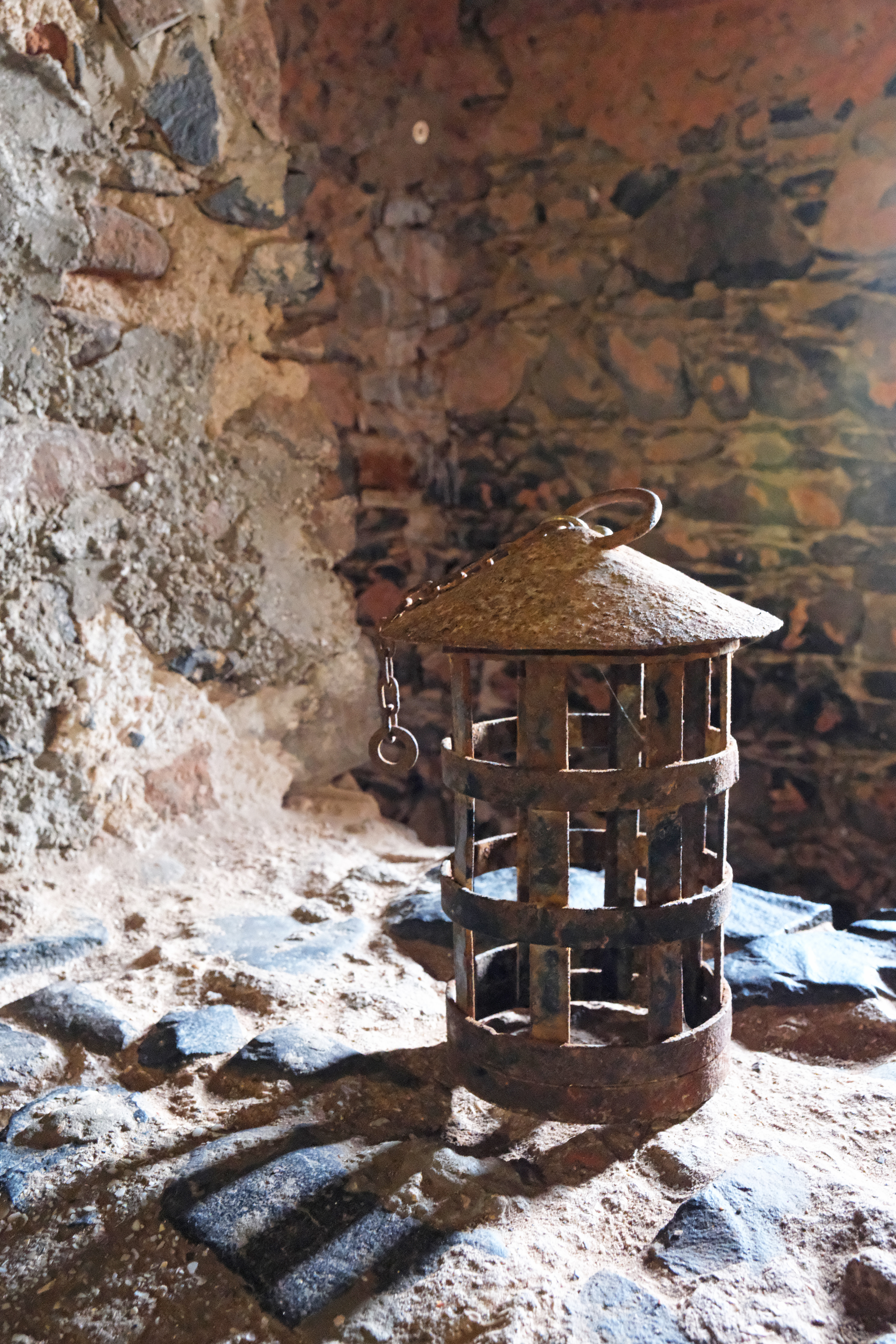
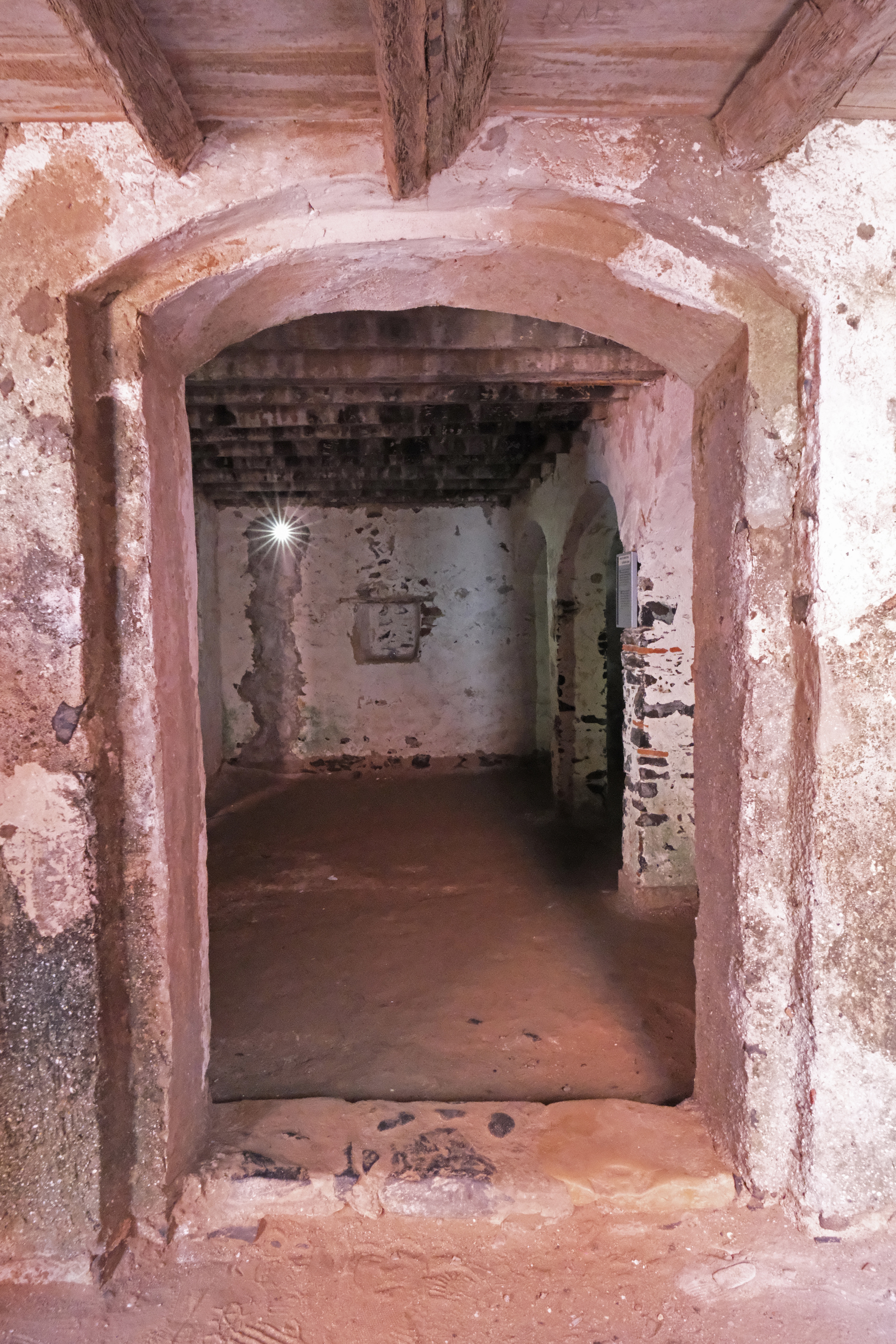
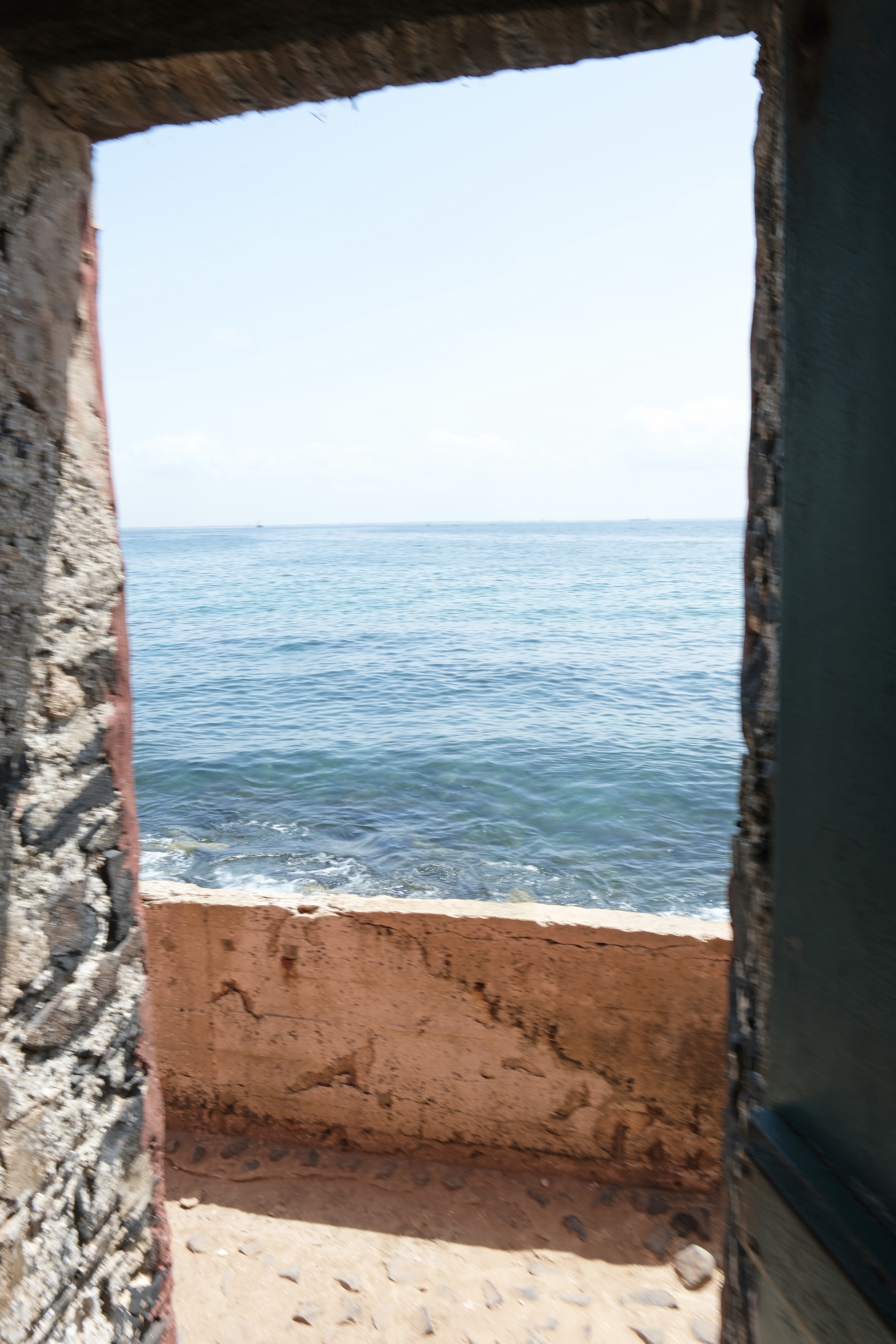
The island’s architecture, however, contrasts the grim slave-quarters and the elegant houses of the slave traders. Today it continues to serve as a reminder of human exploitation and as a place for reflection.
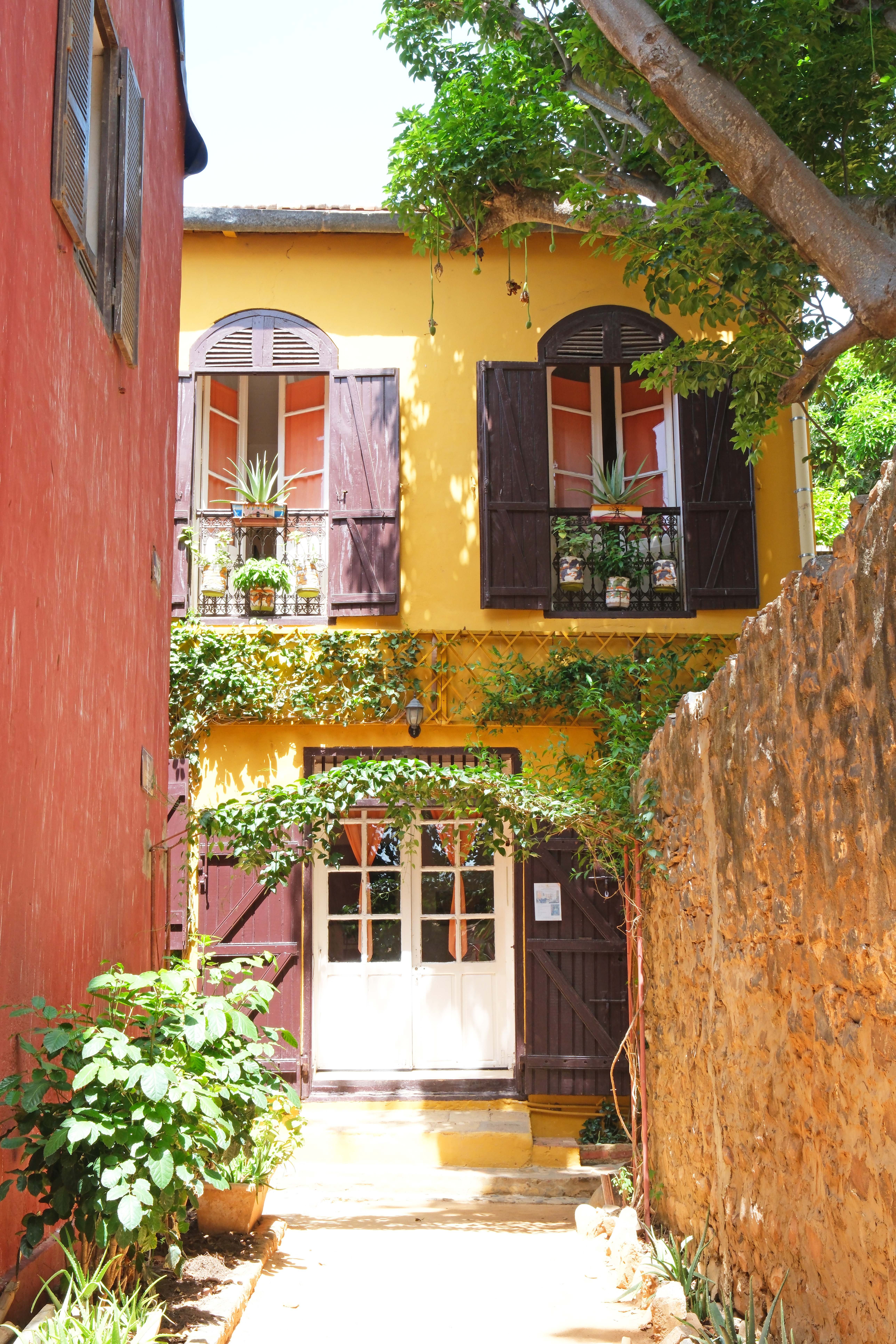
The photos below are from the rest of the island. In the center is the Mémorial Gorée-Almadies. To either side are examples of the bright colors used throughout the island. But after just an hour on the island, we were hot, sweaty messes who felt like maybe we’d ventured too far too soon to really appreciate things.
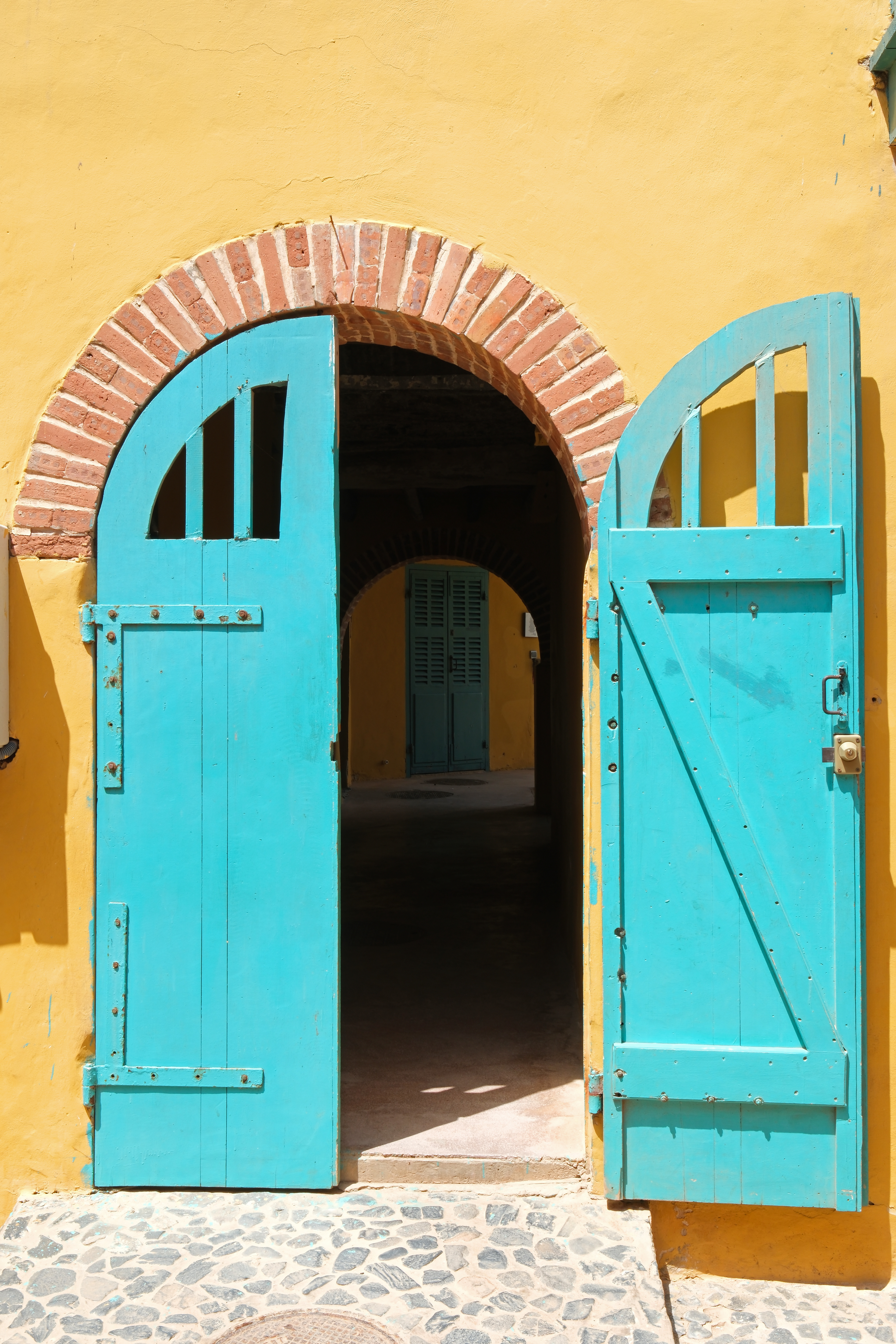

The following month I ventured out again, this time without Chandler. My teammate had organized a tour of the city and we’d be traveling in style – by local car rapide.
The car rapides are iconic and colorful minibuses that have become a cultural symbol of Senegal. Known for their distinctive hand-painted designs and vibrant colors, these buses were once an integral part of Dakar’s public transportation system. Albeit, a rather chaotic and somewhat dangerous one.

You can pack around 25 people inside of them, with a co-apprenti (assistant) who hangs off the back, collecting fares and shouting the destination to potential passengers. They run on fixed routes, but there are no official schedules or designated stops. They are one of the cheapest modes of transport in Dakar, however, they are often poorly maintained and lack basic safety features.
Luckily, there were only ten of us on the tour. And we had set destinations.
We started by pulling over to the side of the road and visiting with the local weavers. Every day, they sit under the same tree, making beautiful cloth, which is often used to wrap newborns.
Fewer and fewer people are taking up the craft, so it was wonderful to see – and honestly, probably my favorite stop of the day. I was a little obsessed with the tradition weaving in Ghana too.


Next up, we pulled over to chat with some women washing laundry on the sidewalks. They do this everyday – it’s how they make their living. I washed my clothes by hand in buckets the two years I lived in Ethiopia and it was one of the most physically taxing things I’ve ever done.
Added to the fact that there are fewer and fewer water taps available throughout the city, so they often have to lug buckets of water many blocks to get their work done. And their work is spotless – I have no idea how they get the clothes so clean.


Afterward, we drove up to a Daara – an Islamic school for children in Senegal. Children learn to read and recite the Quran. Many daaras are informal and are held outdoors or in a simple structure like the one we went to. They reflect a traditional, community approach to education and all the children were excited to show off what they knew.
Then we were off to the market. I truly can’t imagine having entered this maze without a group. It’s the largest market in Dakar – 20,000-50,000 people shop there each day (weekday vs weekend). And since we went on a Saturday, it was obviously packed.
Outside the market was fine, but inside we found ourselves weaving through the narrowest passageways and when we finally made it to the the center, I was forced to walk through the raw meat and fresh fish section – which, believe me, was aromatic.

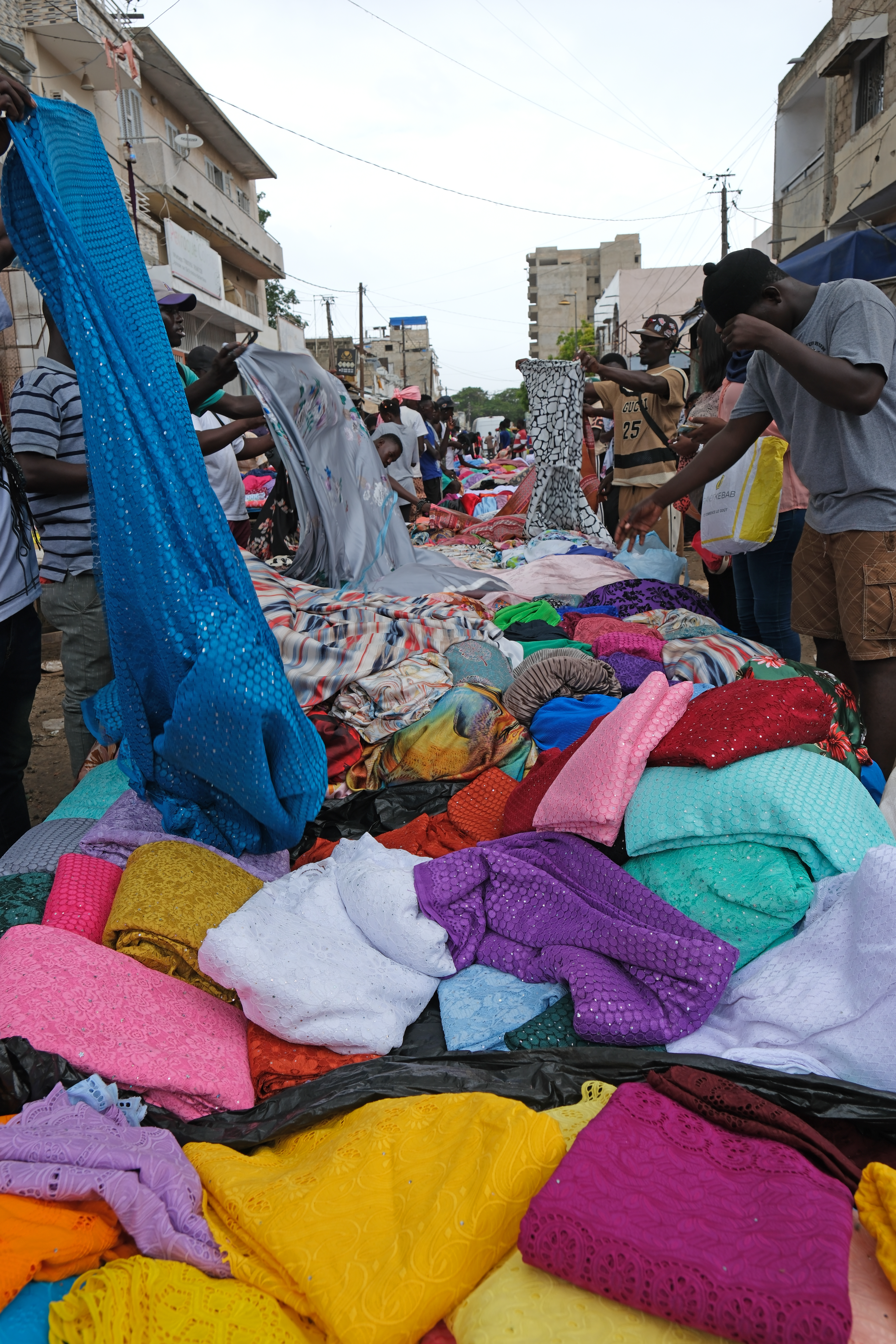

Once outside again, we passed block after block of fabric and used clothes. We even found ourselves at a voodoo vendor, though none of us seemed to need any curses or protections.
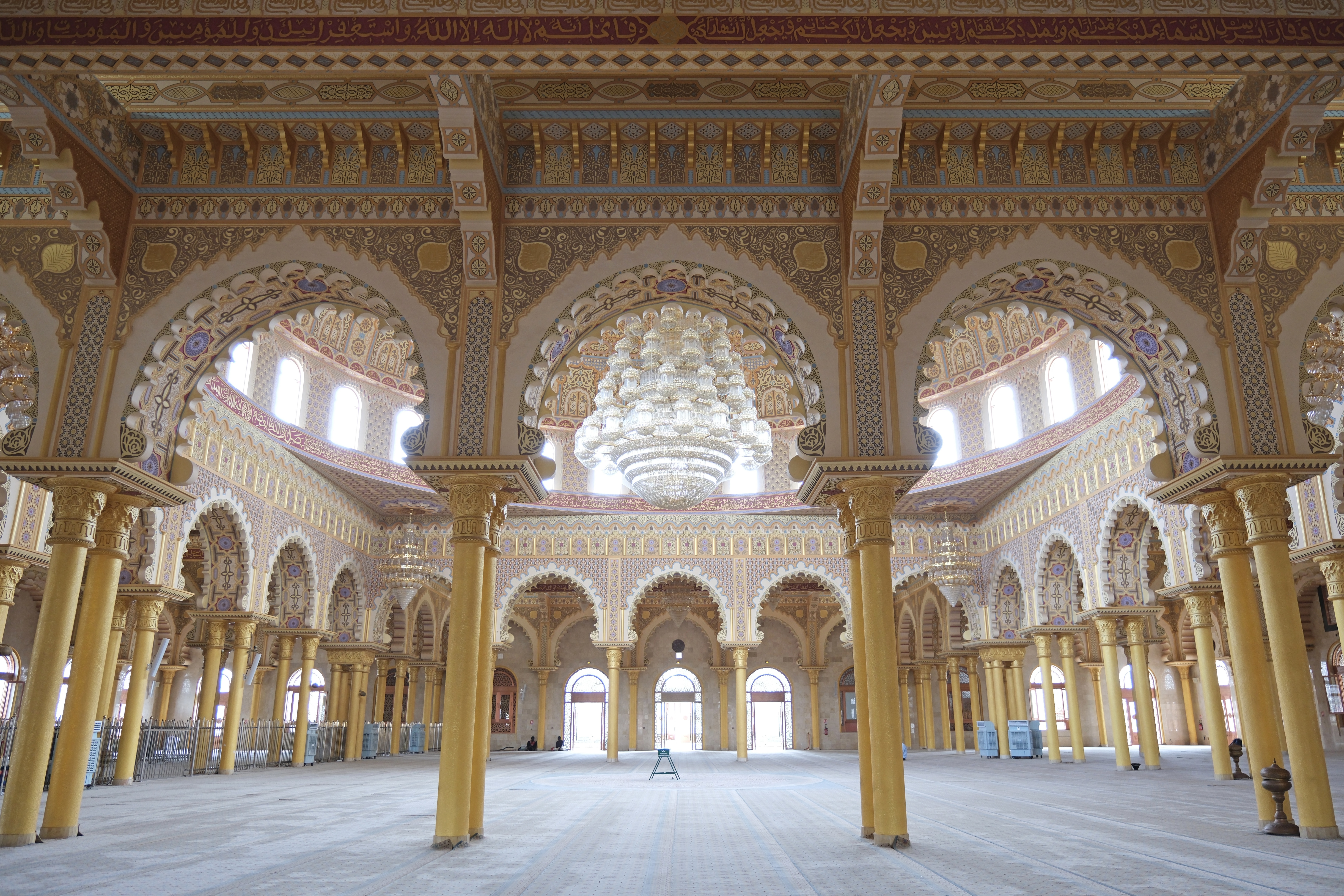
Our final stop for the day was the Massalikul Jinaan Mosque. It opened in 2019 and is apparently the largest mosque in West Africa. It’s only used on Fridays, which is why we were able to tour it on a Saturday. It uses 18K gold in its decor.
It was nice to be able to get out and see the city – even if the parts that we saw weren’t exactly glamorous.
The United Nations Development Programme (UNDP) compiles the Human Development Index (HDI) of 193 nations. The HDI was first published in 1990 and incorporates three dimensions of human development: A long and healthy life, knowledge, and decent living standards.
The HDI is the most widely used indicator of human development, however, several aspects of the index have received criticism. Countries ranked from 1 to 69 in 2022 are designated “very high” HDI; those ranked from 70 to 118 are designated “high” HDI; those ranked from 119 to 159 are denoted “medium” HDI; and those ranked from 160 to 193 are designated “low” HDI.
For reference, Switzerland is ranked number 1 and the US is ranked number 20. In 2022, Ukraine and Palestine ranked 100 and 111, respectively – though I’m sure those numbers have changed with the war and genocide they’re experiencing.
Somalia comes in last at number 193 on the list. The lowest ranked country we’ve lived in is Ethiopia – in 2022 it was 176, though I believe it was much lower in 2012. Ghana ranks 145 and Jordan ranks 99. We’d heard that it’s much easier to access items in Dakar than it had been in Accra because of the port, so we were surprised to see that Senegal ranks 169.
While there are parts of the city that are modern, there are also plenty of scenes like the one below.
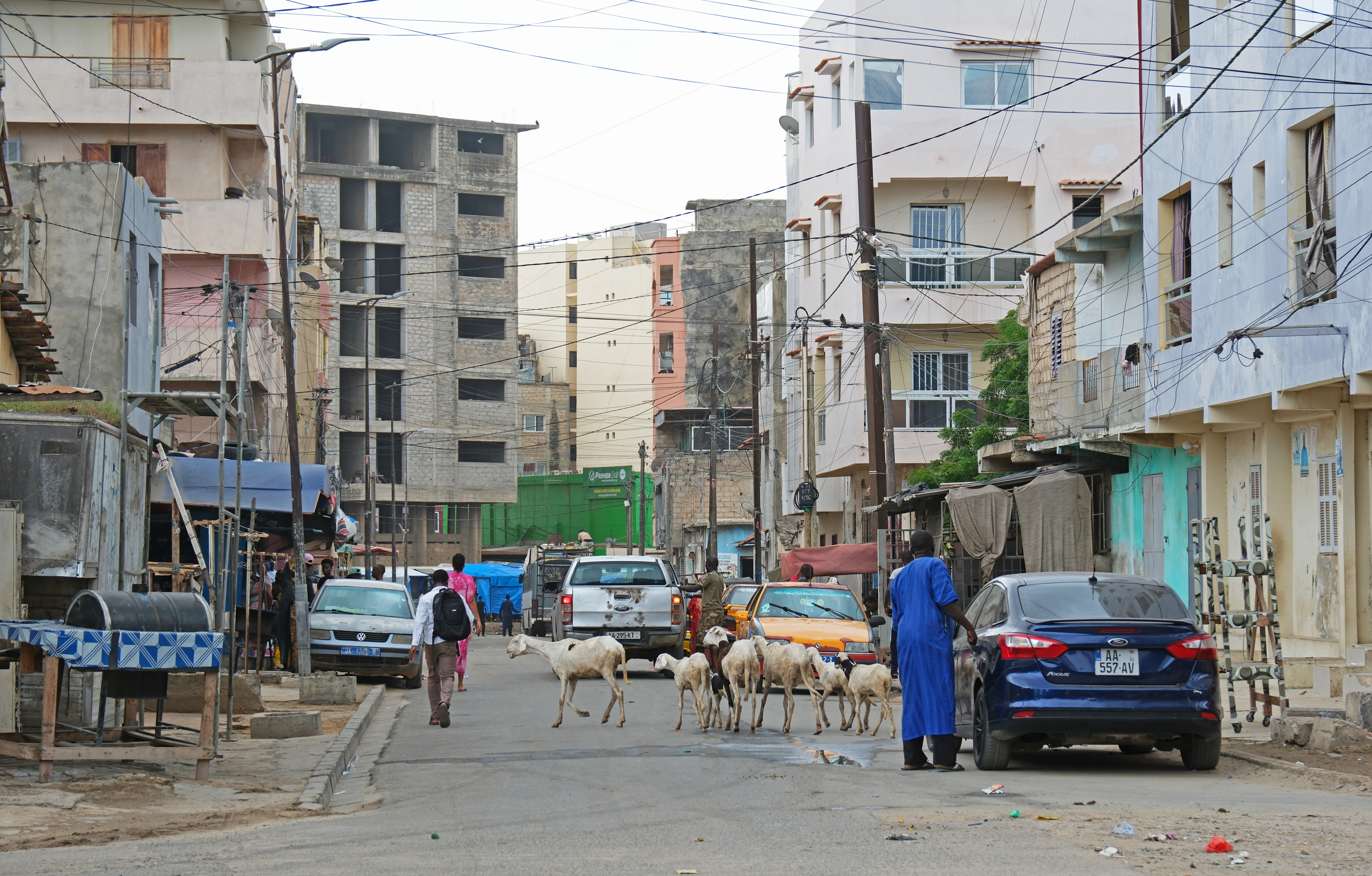
Because of this, owning a car can be quite difficult. The quality is incredibly low unless you’re buying new (difficult to do with the expensive tax on new vehicles). And the prices of used vehicles are higher than warranted. Coupled with the disaster of a street that we live on, we opted out of buying one ourselves.
Luckily, there are two thriving ride share apps – Yango (our preferred option) and Heetch. And the absolute best part of our home? The location. We’re within walking distance of the school. (Though the fact that we can technically see the ocean from our balconies doesn’t hurt either.)
And speaking of school, despite the rough start, one thing has been absolutely incredible: Our students and their families. I typically dread parent conferences because I much prefer working with 7-9 year olds than speaking to adults. But these conferences (and every interaction, really) were a dream. We talked about their kids, the progress that they’re making, and then, honestly, just life.
With some families, we chatted about Dakar and what it’s like to transition here. With others, the conversation focused around great nearby travel opportunities – I’m happy to get tips! It’s been fantastic to be back in an international community with people around the world – in fact, there are 115 nationalities represented at our school.
The nationalities with the biggest presence being American, Senegalese, Italian, and German. With Ghanaian, British, French, Chinese, Canadian, Swiss, and Belgian right behind.
Our school recently celebrated “This Is Senegal Week.” My students had 20 minutes of Wolof language class per day (in addition to their daily French lessons). They got to hop in a car rapide and also meet local tradespeople like drummers, weavers, painters, woodcarvers, and henna artists.


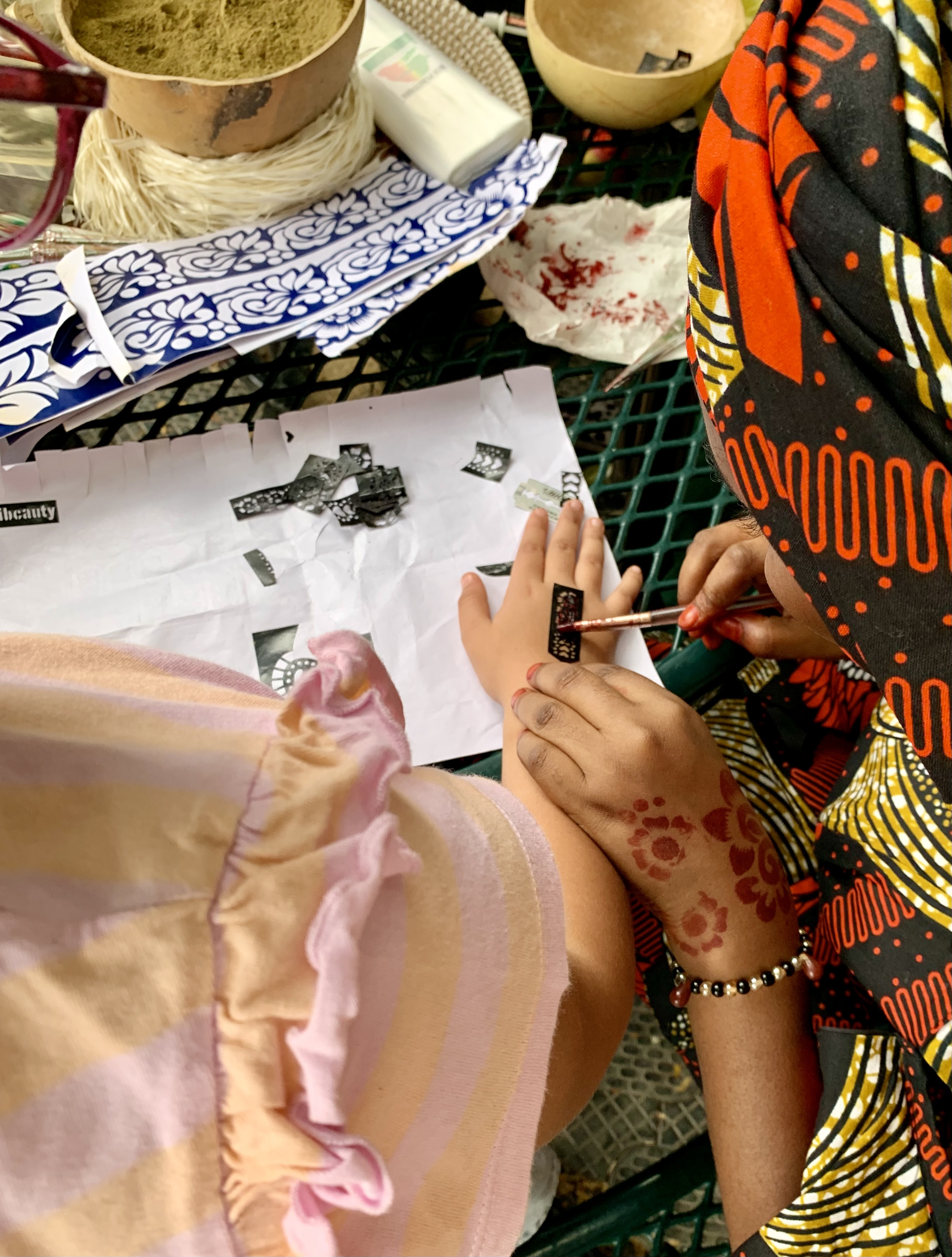
But the funniest thing to happen this school year? Discovering our first semester field trip: None other than Gorée Island. Chandler and I had not exactly appreciated the island our first time out and we couldn’t believe we’d be returning so soon. And with 50 students in tow!
The start of the trip was an absolute disaster. We encountered insane traffic on the way to the ferry, arrived just minutes after the first ferry departed, spent 30 minutes waiting for the next, and then got squeezed in like sardines. Turns out a cruise ship was docked in Dakar (don’t ask me why!) and they had chosen that very day to have a day trip to Gorée Island. I’m not exaggerating when I share that one of my students told me, “Ms. Ashley, there are a lot of grandmas and grandpas on this boat!”

But we finally arrived on the island and I could better see the charm that I had missed the first time around. And luckily, the weather had significantly improved!
Half of our students participated in an art activity on the beach, while we went on tours of the island with the others. My students were hilarious. Some of them incredibly lazy, others racing to and fro with never-ending energy.
We visited some of the same sites Chandler and I had seen on our first visit, like the Gorée-Almadies Memorial, Guns of Navarone, Baobab Path, and the fort that houses the IFAN Historical Museum.
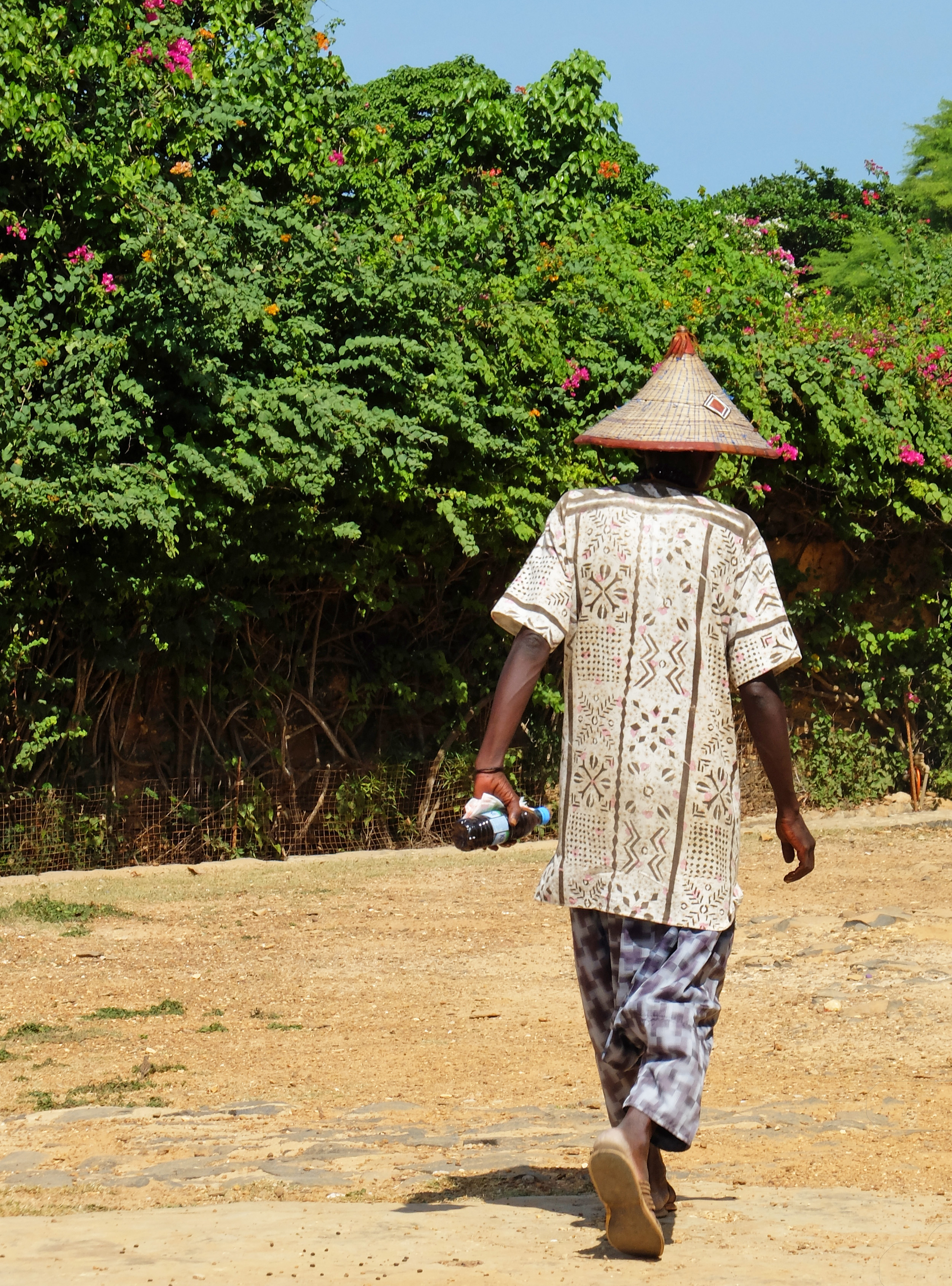

But we also went down new streets and alleys and got to see the island in another light. It was great going with the kids because our guide really slowed down and explained the importance of each spot.
We stopped at the Catholic church, as well as the mosque and made our way to other less visited spots too.

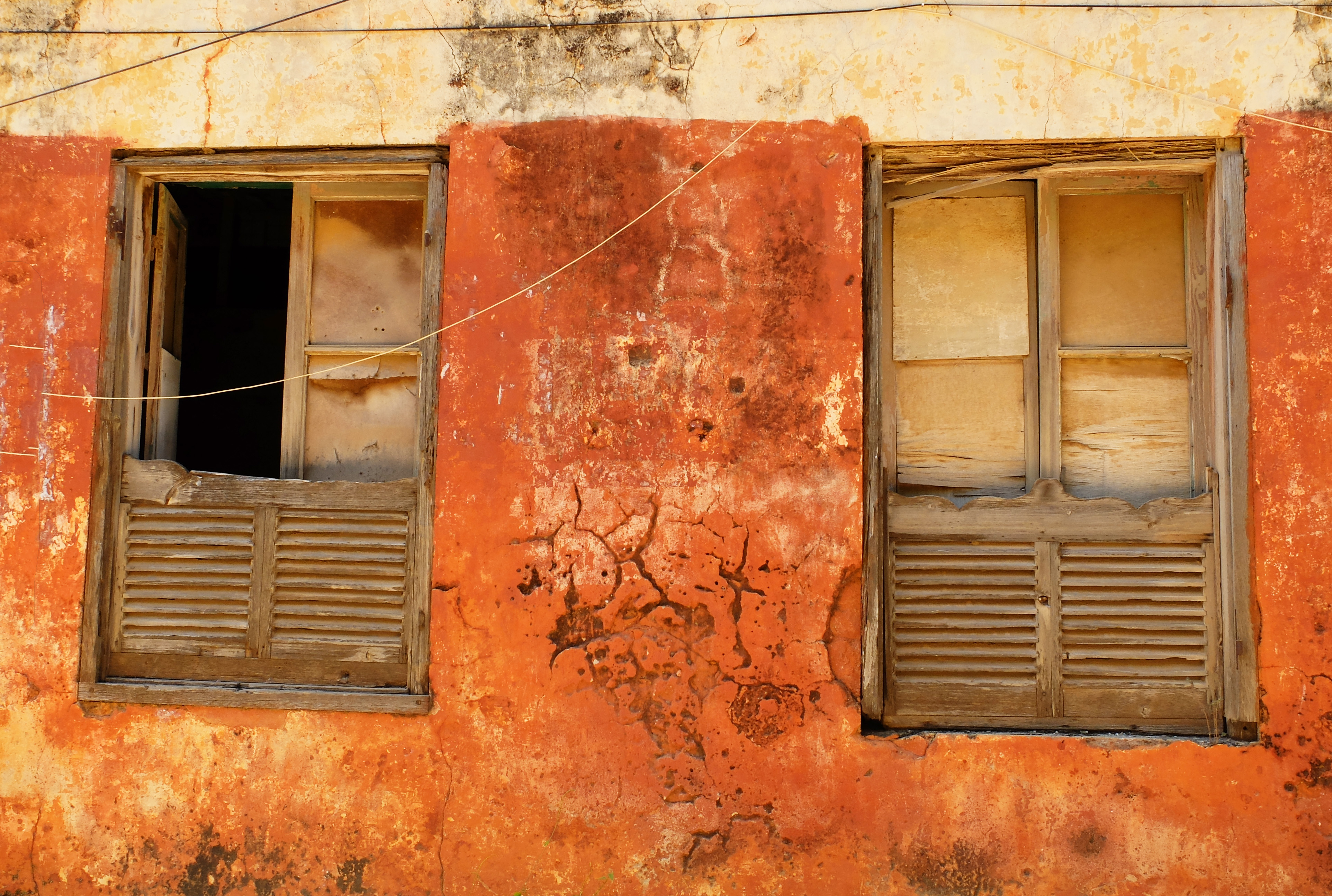
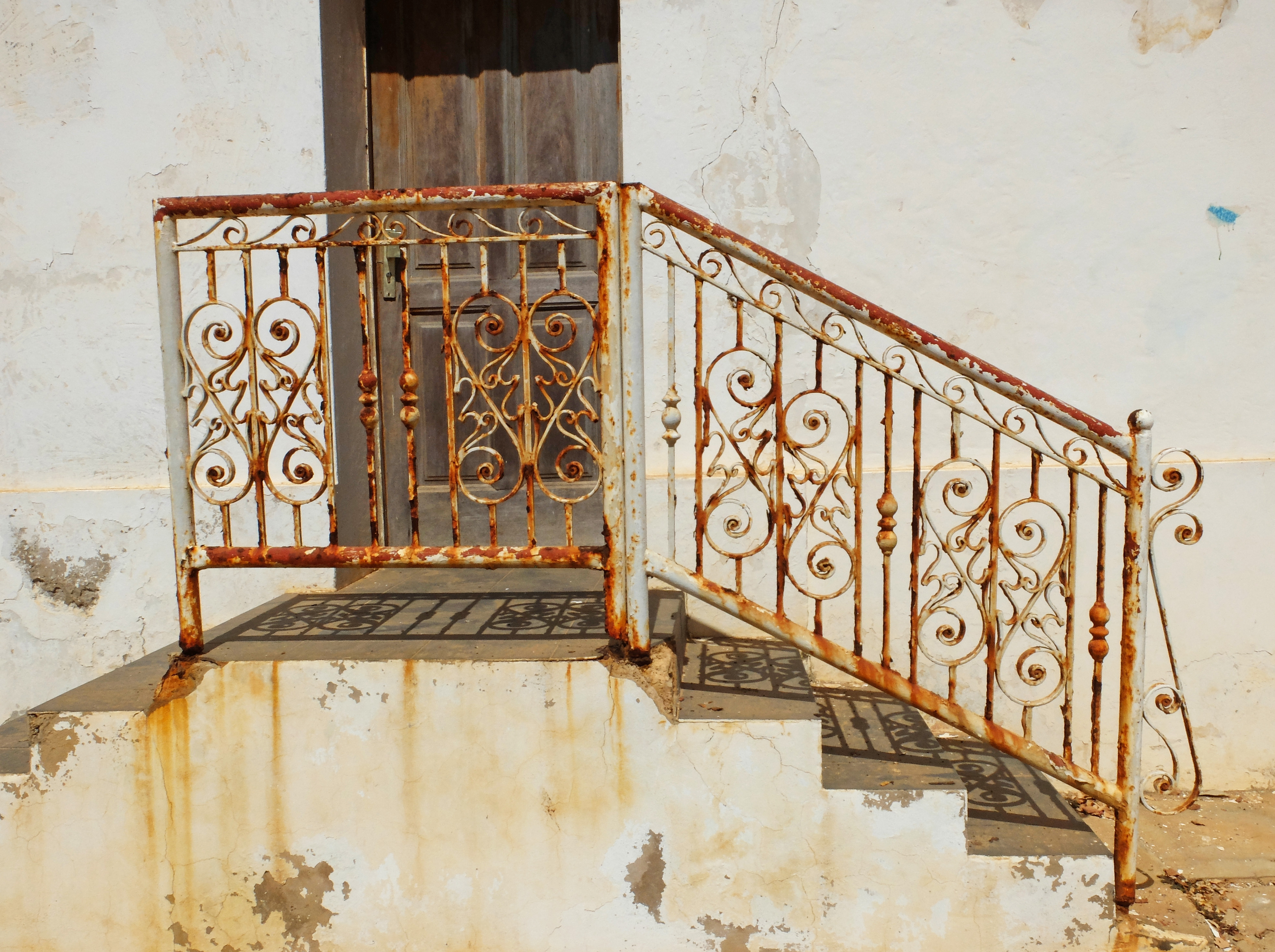
Because of the morning’s delay, we ate a hurried lunch and then swapped kids. After that it was back on the tour with another group!
I don’t have a lot of complaints because it meant the kids always had something to do…idle hands on a field trip is never good! But we did wear them out. One of my students even fell asleep on the bus when we returned to school that afternoon.

We’ve had plenty of ups and downs, our first months here in Dakar. Sometimes I wonder why we made our way back to Africa for a third time. But then I hear stories about what’s happening in the US and I’m so incredibly thankful to be back overseas living a life that has so much to love about it.
It may not be perfect, but I’m glad it’s the life that we’ve chosen.

 Abroad With Ashley
Great to read about your first few months in Dakar, Ashley and about all your experiences, good and bad. I hope you both start to feel really settled there and enjoy all the opportunities Senegal has to offer.
Thanks, Mim, we appreciate that. We’re hoping the same thing!