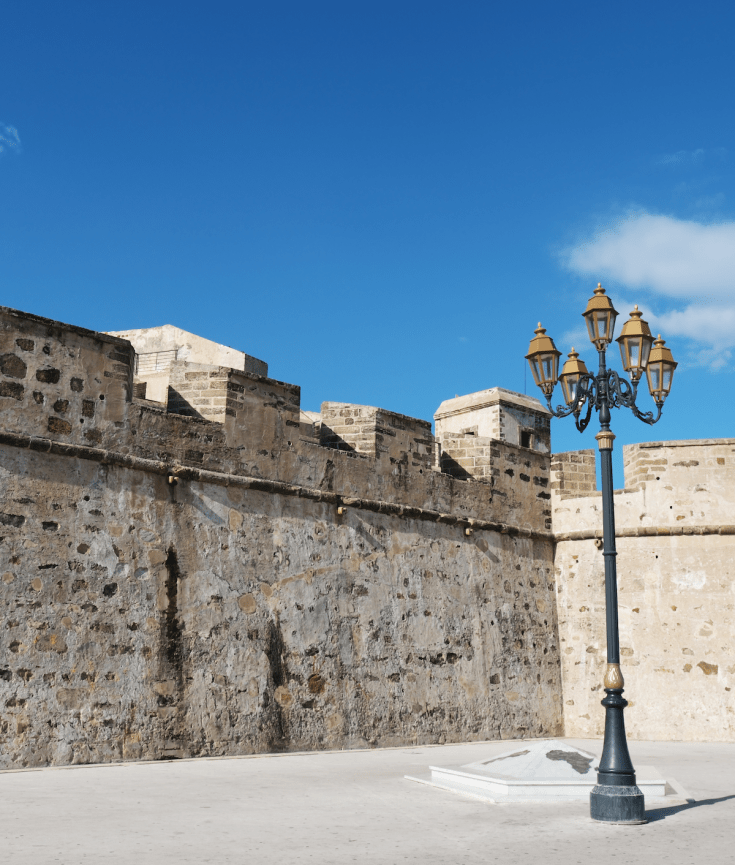
Marrakesh, Casablanca, and Tangier each had their own distinct energy, but Tangier felt different in a way I can’t quite define. Maybe it was the geography – standing at the northernmost tip of Morocco, gazing across the Strait of Gibraltar with Spain just 14 kilometers away.
Maybe it was its history, shaped by waves of Phoenicians, Romans, Berbers, Arabs, and Europeans. Or maybe it was the way the city carried traces of everyone who had claimed it – African, European, Arabic, something in between – all mixing together into a place that felt like nowhere else.
More than any other place we visited, Tangier felt like a crossroads. For centuries, it was a strategic port, passed between empires and later declared an international zone. Writers, spies, and artists were drawn to its freedom, while traders and travelers passed through, leaving behind pieces of their cultures.
That layered past still lingers in the streets – the faded European facades, the bustling Moroccan souks, the cafés where French, Spanish, and Arabic blend together. More than a city, Tangier feels like a crossing – where Morocco meets the world, and the past meets what comes next.
Just like in Casablanca, we chose to stay a bit outside the city, this time at the Fairmont Tazi Palace. The grounds were stunning and it had our favorite room out of everywhere we stayed in Morocco (function meets design). That said, they seemed to be having issues with their plumbing and one hallway in particular smelled of sewage. Additionally, we continued our New Year’s Eve tradition and stayed in for the evening, and Chandler’s celebratory vegan pasta came with veal – so our experience was mixed.
We did get to start a new tradition in Tangier. During our wanders through the city, we finally found a liquor store (alcohol can be hard to come by in Morocco). We figured we’d get a bottle of wine to ring in the New Year. I was in the mood for some bubbly and they had exactly one option: Moët & Chandon Champagne. It was a delight – one we hope to repeat in the future.

Out of everywhere we visited in Morocco, Tangier felt the most varied. In Marrakesh, nearly everything revolved around the chaos of the medina – it’s twisting alleys, relentless energy, and vibrant market stalls. In Casablanca, our time was shaped by the city’s modern sprawl, its wide boulevards, and sleek high-rises. But in Tangier, we weren’t just retracing the same kinds of experiences.
We wandered through the kasbah, surrounded by towering stone walls and historic pathways. We stepped inside a contemporary art museum, where modern creativity contrasted with Tangier’s layered past. We stopped to take in bursts of color from street art and tucked-away little shops, and we walked along the pier, where the sea stretched toward Spain. It was refreshing to explore a place that felt like it was constantly shifting, offering something new at every turn.

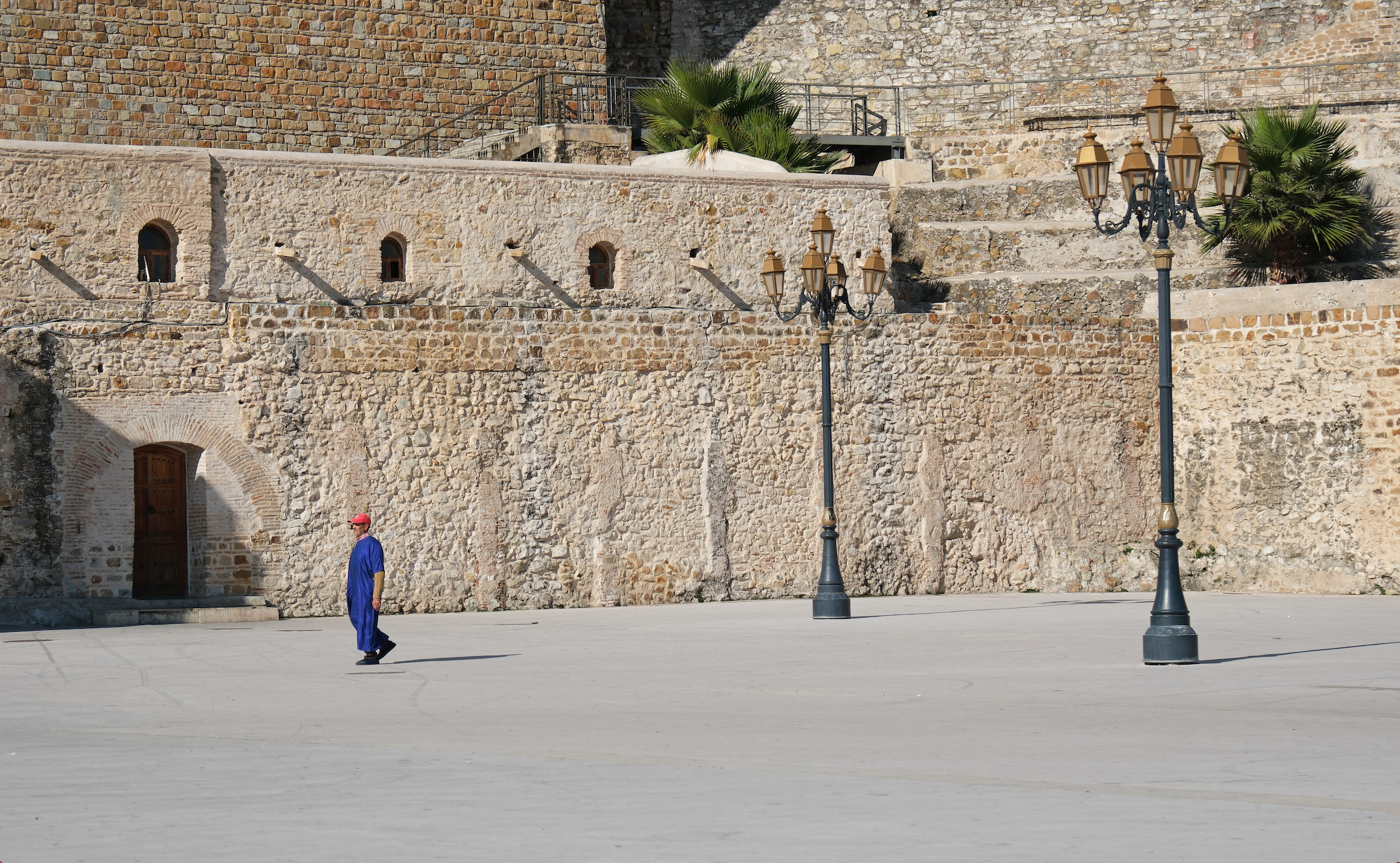
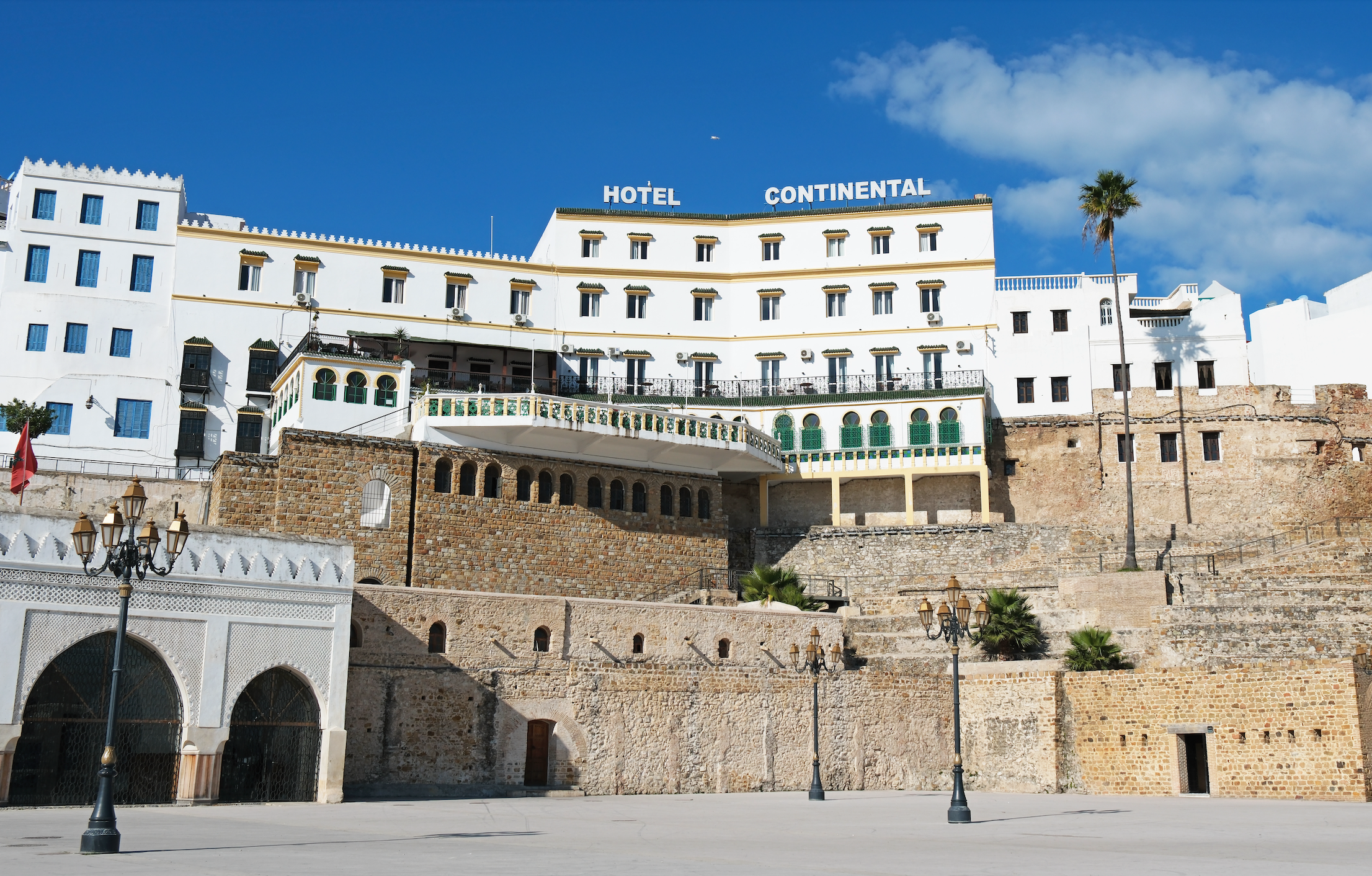
My favorite views of the city were down at the bottom of the kasbah, where the city meets the water. Unlike other kasbahs in Morocco, the Kasbah of Tangier is perched on a hill overlooking both the city and the Strait of Gibraltar.
The current structure of the Tangier Kasbah largely dates back to 17th-century renovations, reflecting layers of history and architectural styles. These renovations incorporated elements from earlier periods, resulting in the formidable walls observed today. Put simply, this kasbah gives off the strongest “castle” vibes out of anywhere in Morocco. But it intermingles with more recent structures, creating fascinating juxtapositions.
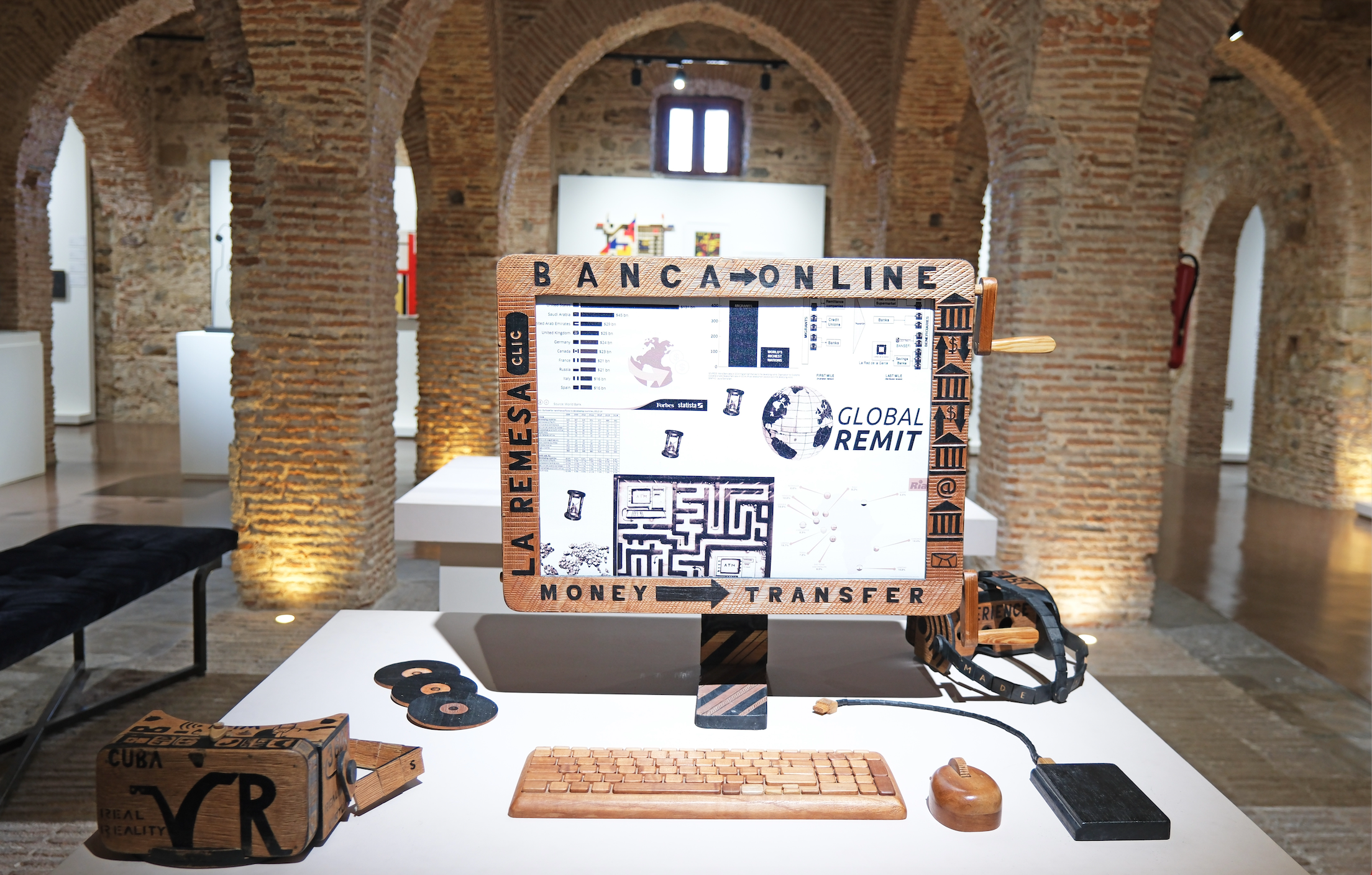
Inside the kasbah, we visited the Museum of Contemporary Art, housed in a former prison that operated until the 1970s. As part of a larger effort to restore Tangier’s historic center, the site was transformed into a museum and officially opened in 2021.
When we went, the museum was collaborating with Cuban artists. We got to see Abel Barroso’s The Third World Internet Café. The wooden computers, digital camera, printer, and virtual reality goggles reflect on technology and who has access to information.
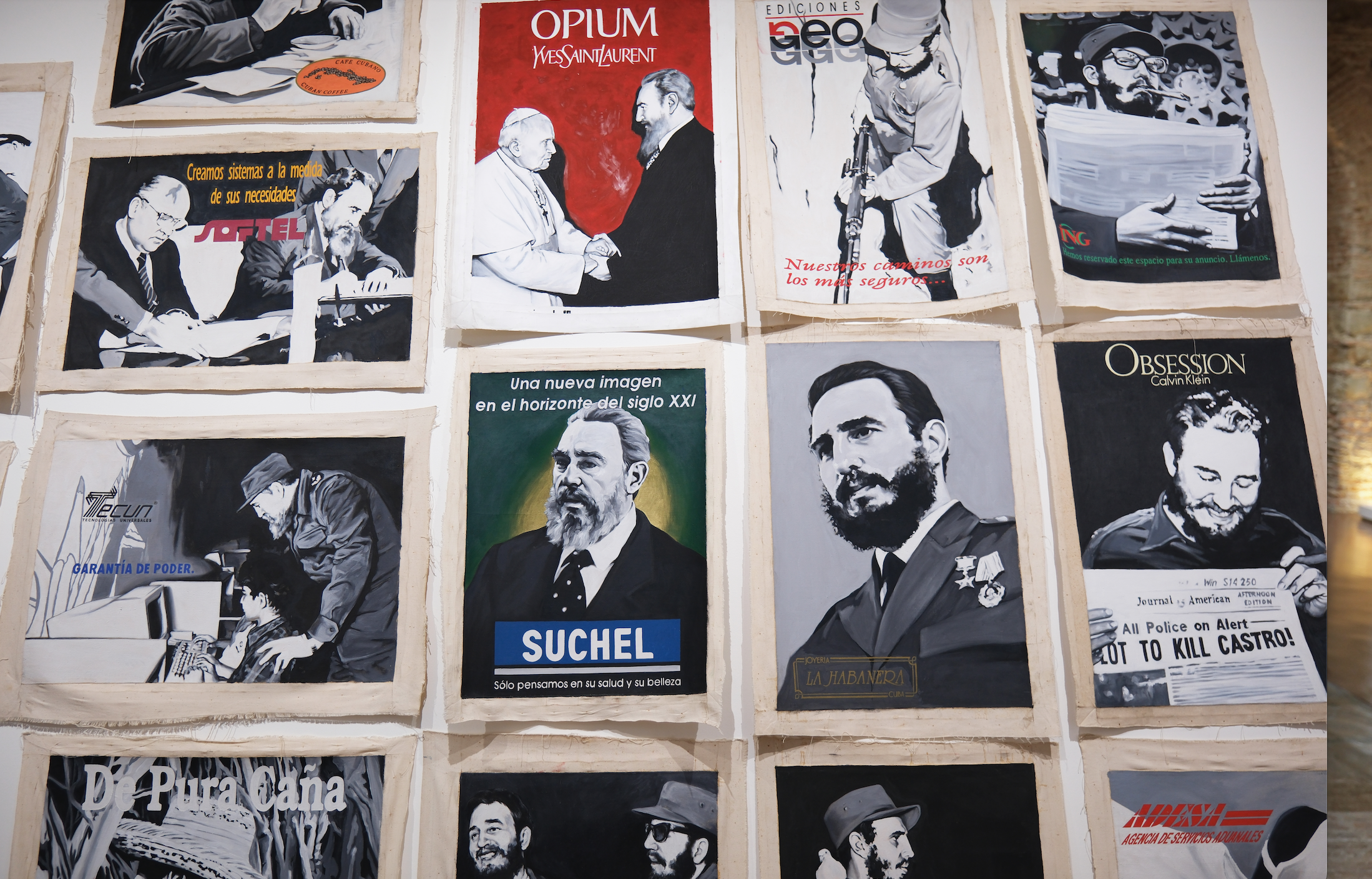
Also on display was artist José Ángel Toirac. The social reality that inspired his work was the disappearance of the socialist bloc countries that supported Cuba’s economy. As a result, the Cuban government allowed investments from capitalist countries, and commercial advertising began to coexist with images of political propaganda. He used this counterpoint to observe how both extremes end up coinciding in the attempt to “sell” something – whether a product or an ideology. This work remained in his studio, unable to be publicly exhibited, for more than 20 years. However, he was awarded the 2018 National Prize for Visual Arts in Cuba.
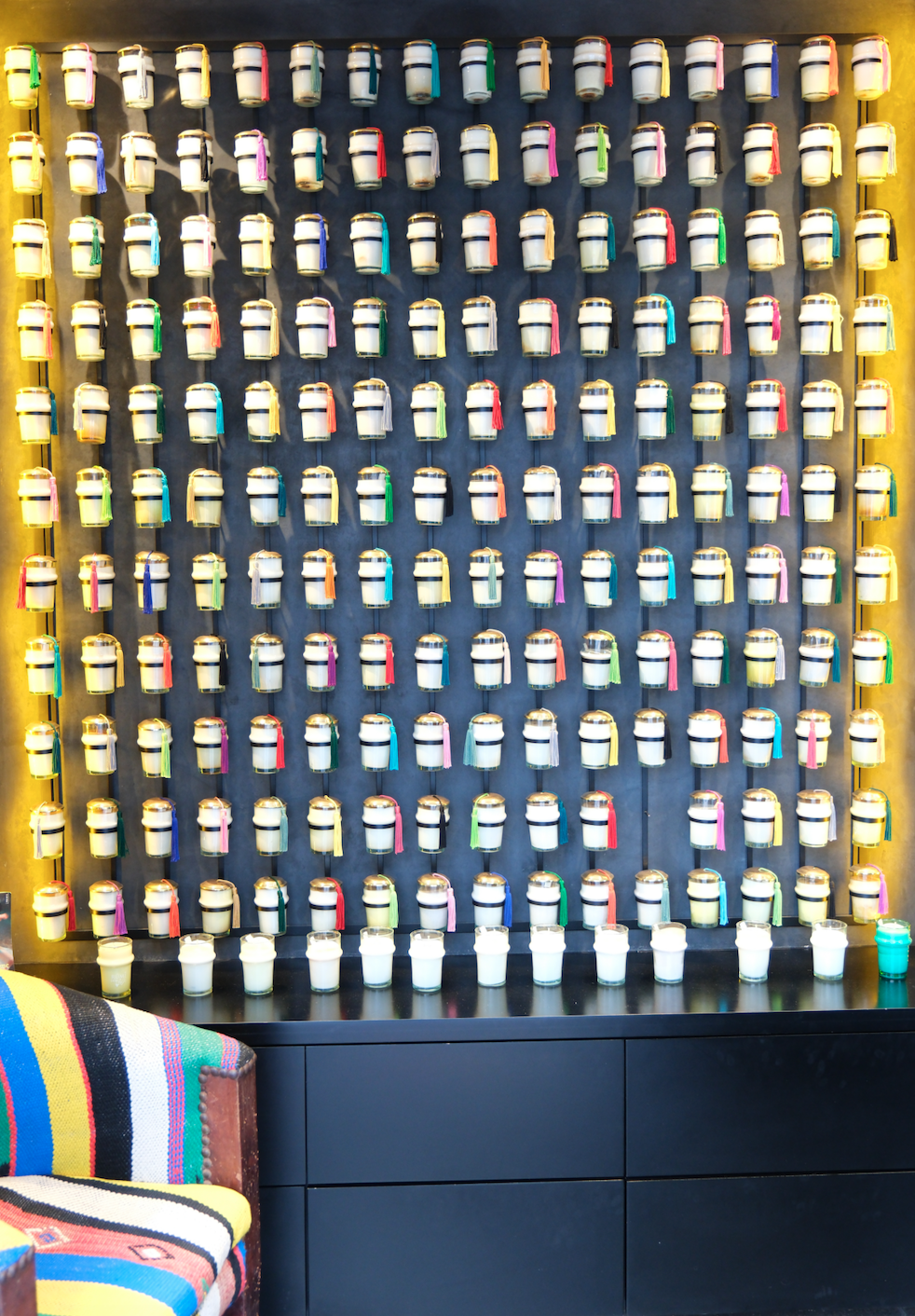
After the museum, we did some wandering. My favorite shops in Tangier were the Kasbah Collective and Rumi. The Kasbah Collective is a fusion of local and international pieces, presenting a diverse collection of handcrafted art and design. Rumi is a candle shop that uses natural fragrances and 100% natural soy wax and repurposes Beldi glasses for their containers.
We also had our favorite meal at N’BTA – a guest house, artist residency, and vegetarian restaurant all in one. Despite having an English menu, we pretty much had no idea what we were ordering, but everything was delicious and the setting was absolutely lovely.
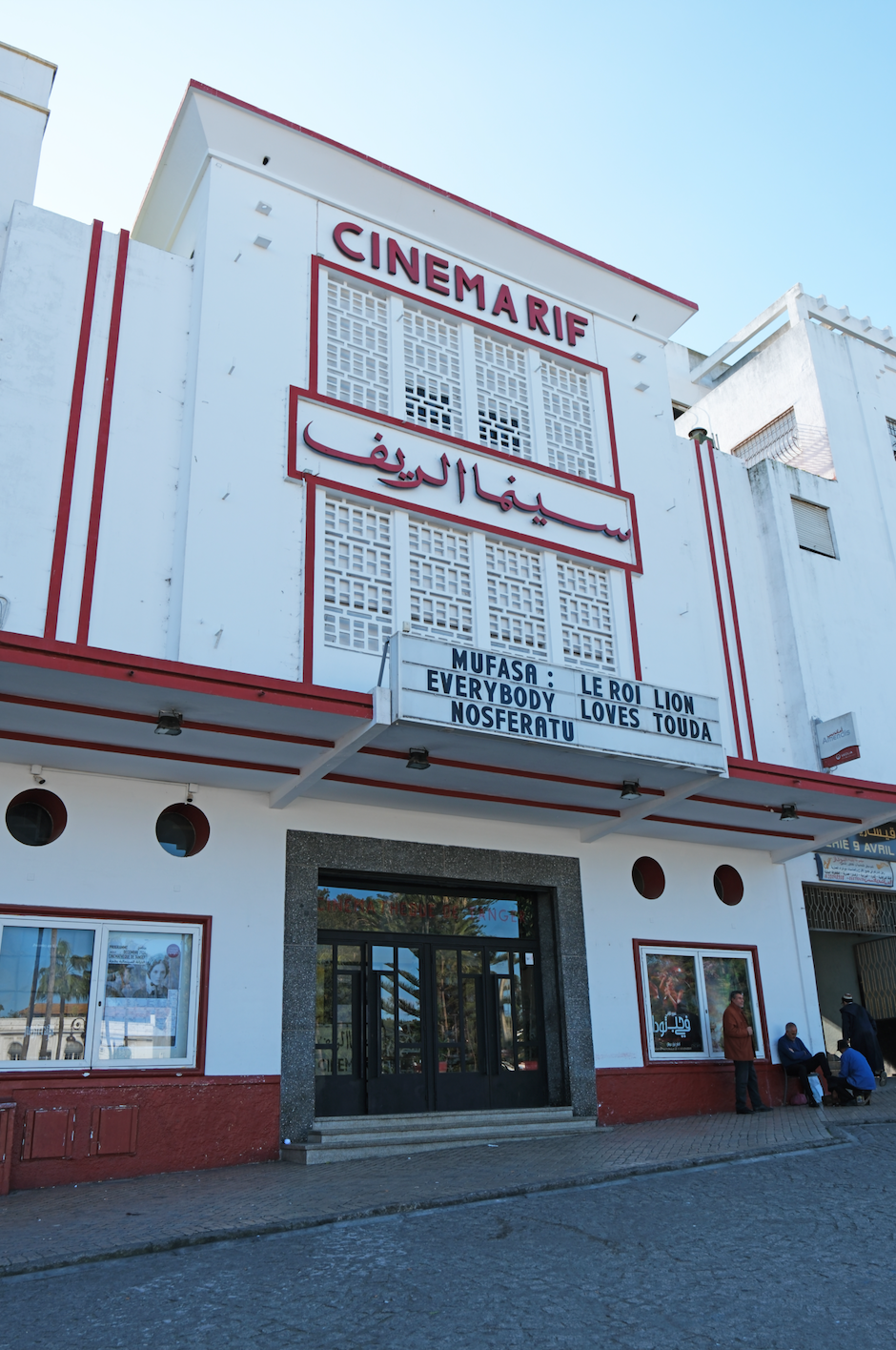
We also made our way up to Grand Socco to check out Cinéma Rif (now known as the Cinémathèque de Tanger). The theater was established in 1948 and the Art Deco building has long been a cultural hub for the city. in 2006, Moroccan artist Yto Barrada led a restoration project, transforming the cinema into North Africa’s first art house cinema and film archive.
It was closed the day we went, otherwise we would have loved to have watched Nosferatu there.
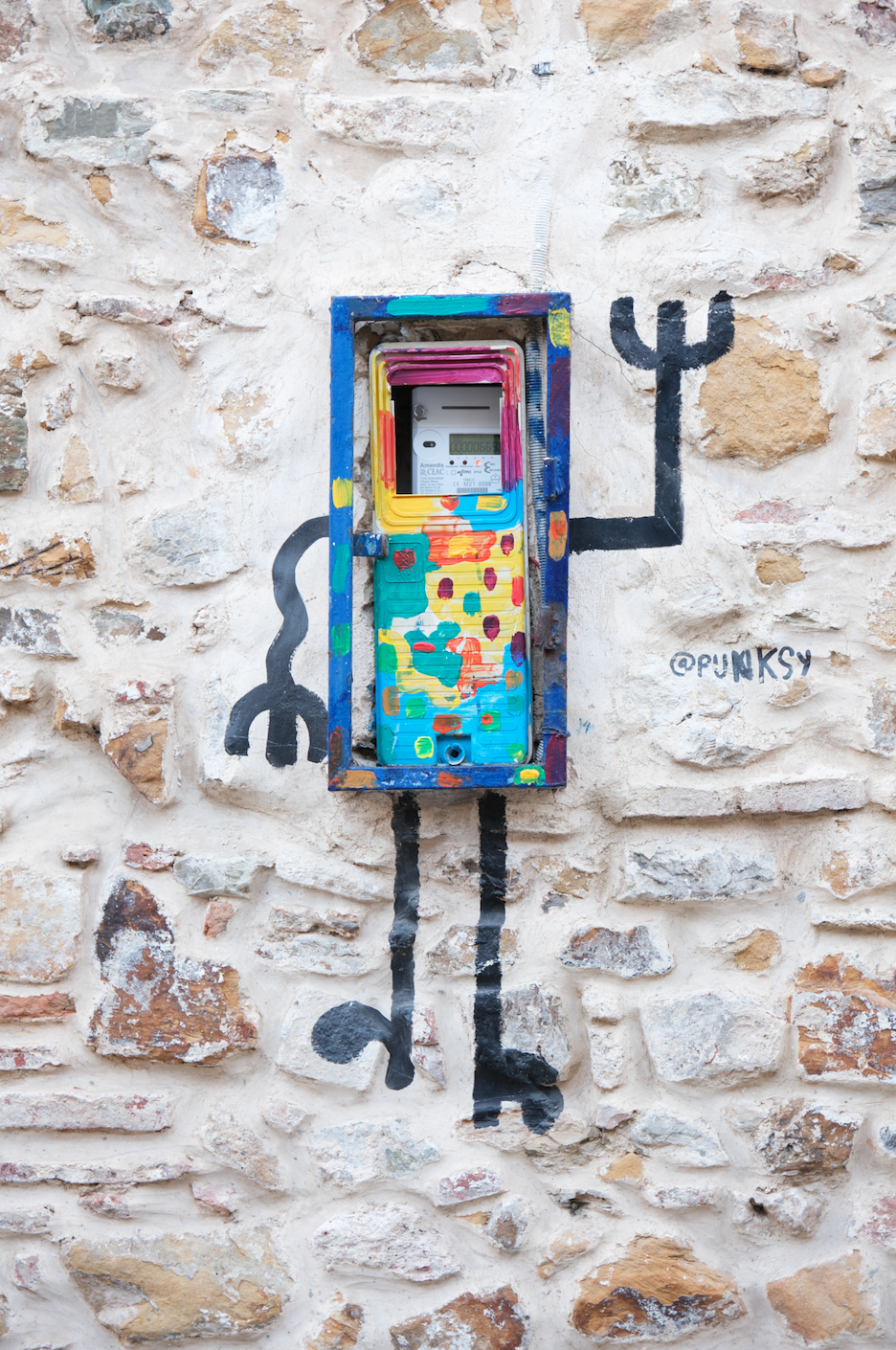
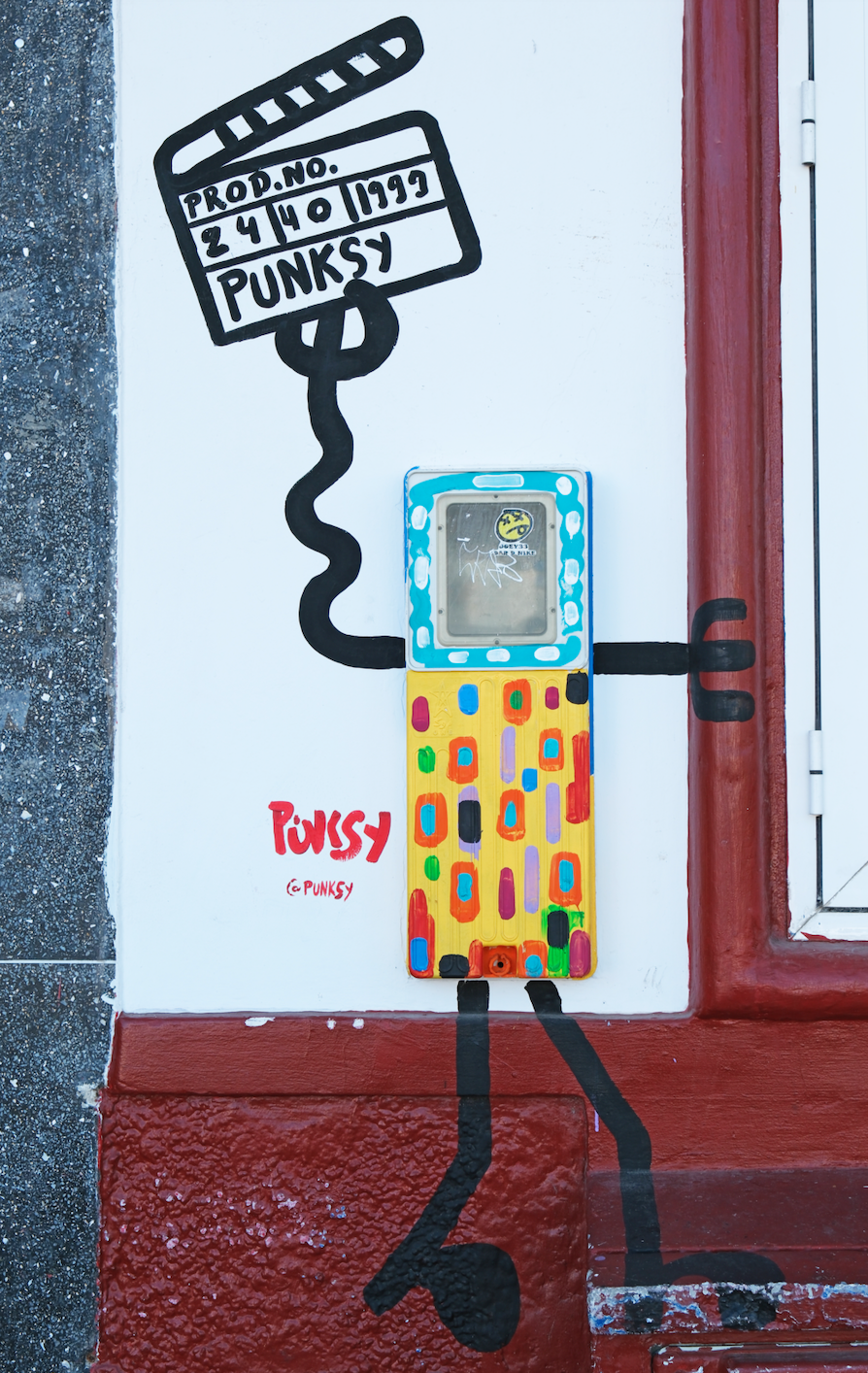
Next to the theater we found a super fun piece of street art created by the artist Punksy. He is known for transforming everyday urban elements, particularly electric meters, into vibrant pieces of art, adding splashes of color throughout the city.
His art can be found in various neighborhoods and we saw more pieces in the kasbah near the Museum of Contemporary Art and the Kasbah Collective.
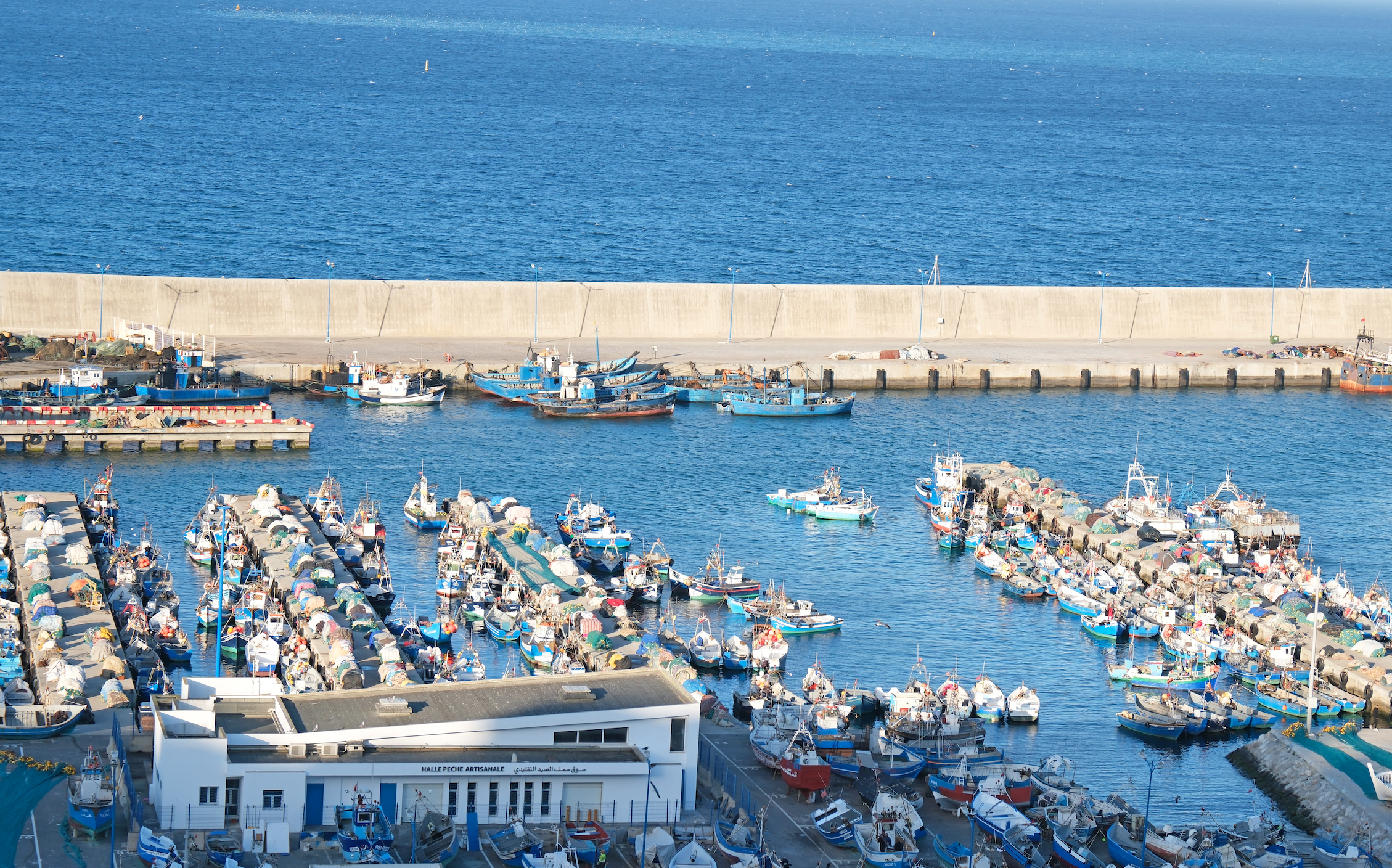
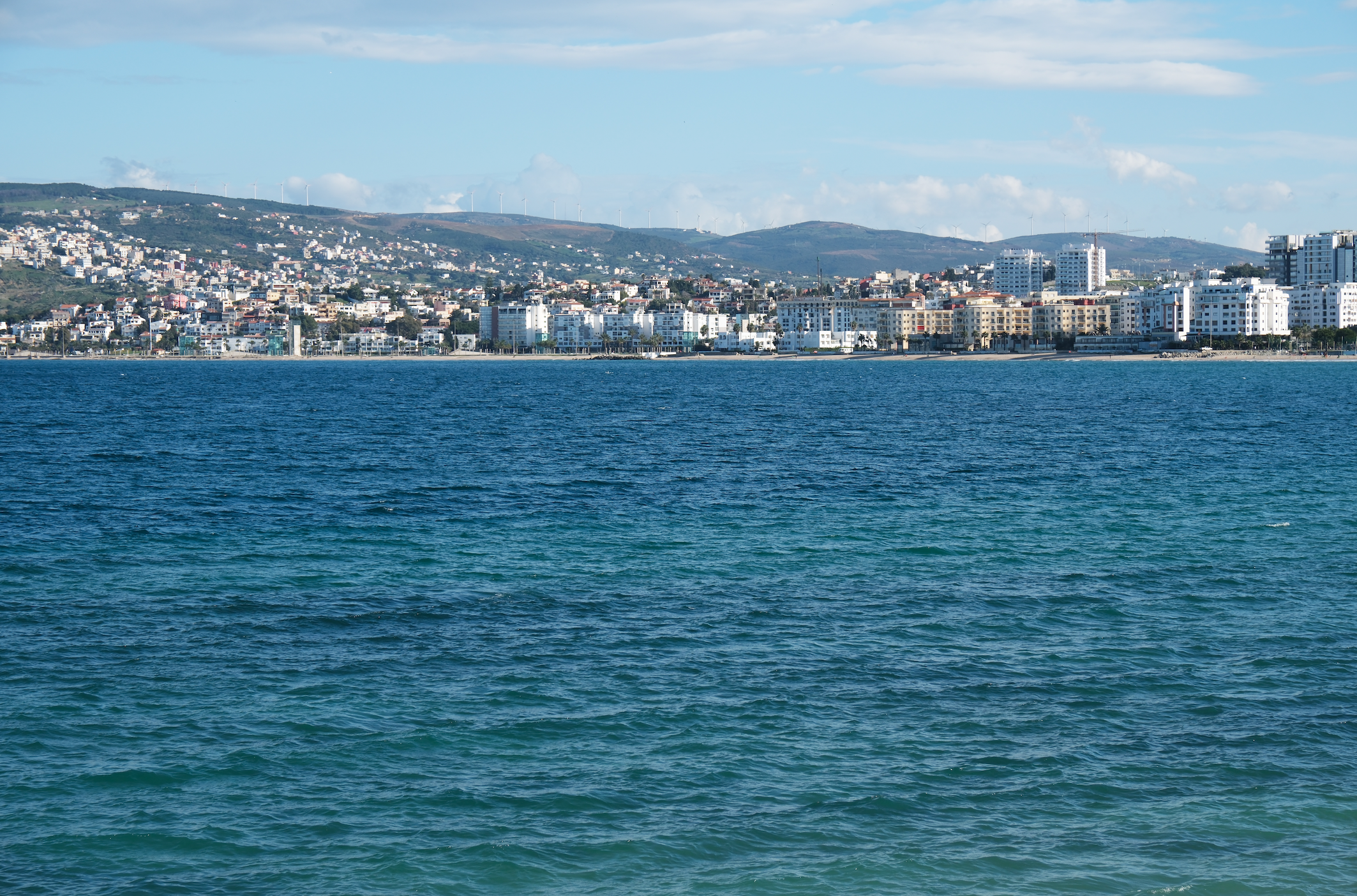
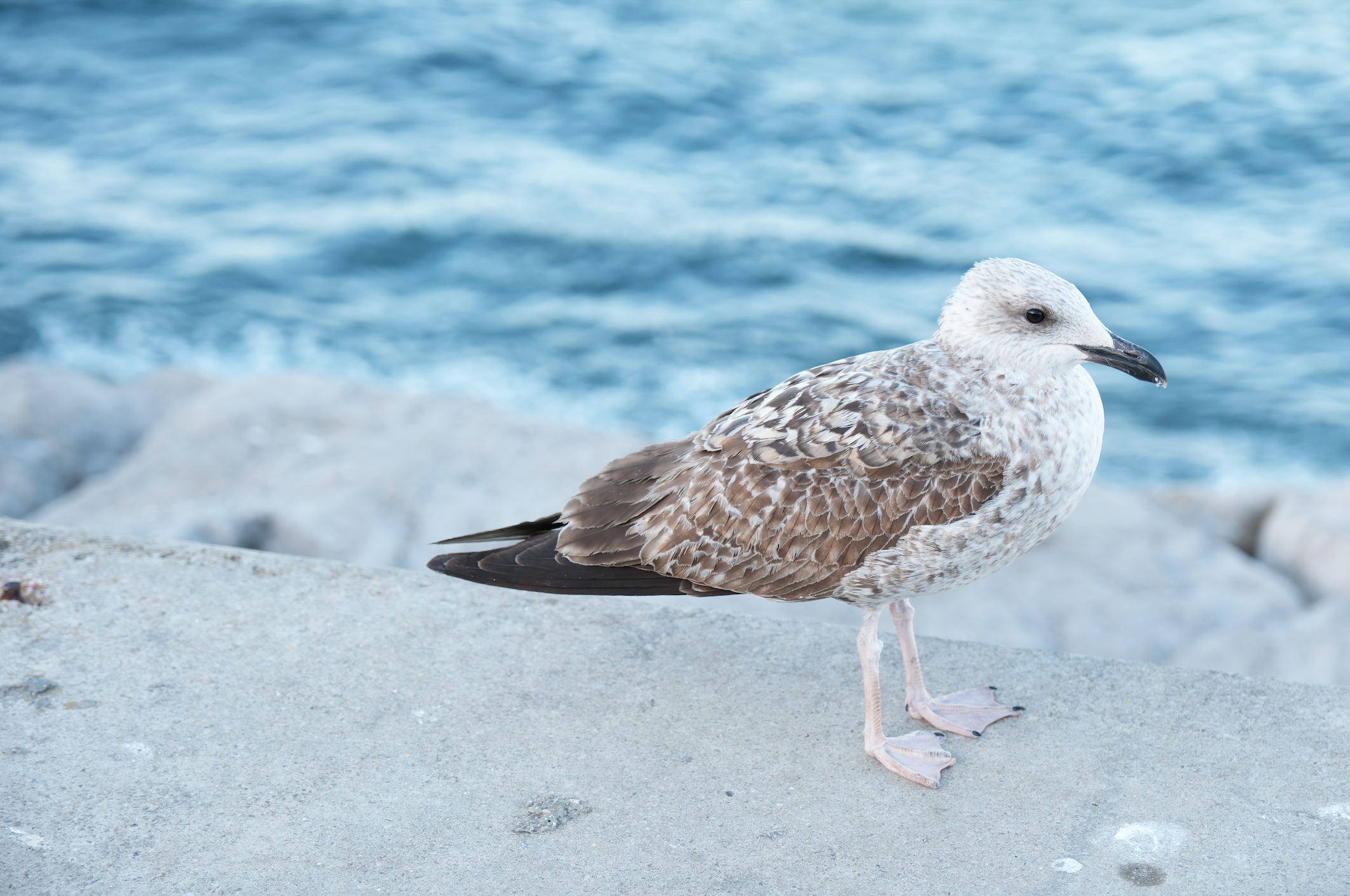
One of the final things we did in Tangier was take a walk down to the pier. The atmosphere was calm, the weather just right – sunny, but with a crisp breeze that made everything feel fresh and open.
There wasn’t any single sight that stood out as particularly remarkable, but together, all the little moments – the view of the water, the quiet streets, the easy pace – made for the perfect ending to our time in the city.
Tangier didn’t overwhelm us with grand landmarks or singular must-see attractions. Instead, it unfolded in layers, revealing itself through its mix of cultures, its shifting energy, its streets that felt like they were always leading somewhere else. It was just a city that didn’t demand anything from us – just that we let ourselves wander. And in the end, maybe that was exactly what made it stand out.
 Abroad With Ashley
You’ve sold me on it, Ashley. It looks like my cuppa and combined with Asilah… Thanks for a lovely share xx
That sounds like a wonderful trip! Enjoy : )