
Fès is a city draped in legend – ancient traditions, a sprawling medina, and an atmosphere that feels lost in time. But for us, the romance of Fès, so often imagined, never quite materialized. Instead of feeling enchanted by its maze-like streets, we found ourselves searching for an escape. And in the end, our best moments were the ones spent behind closed doors.
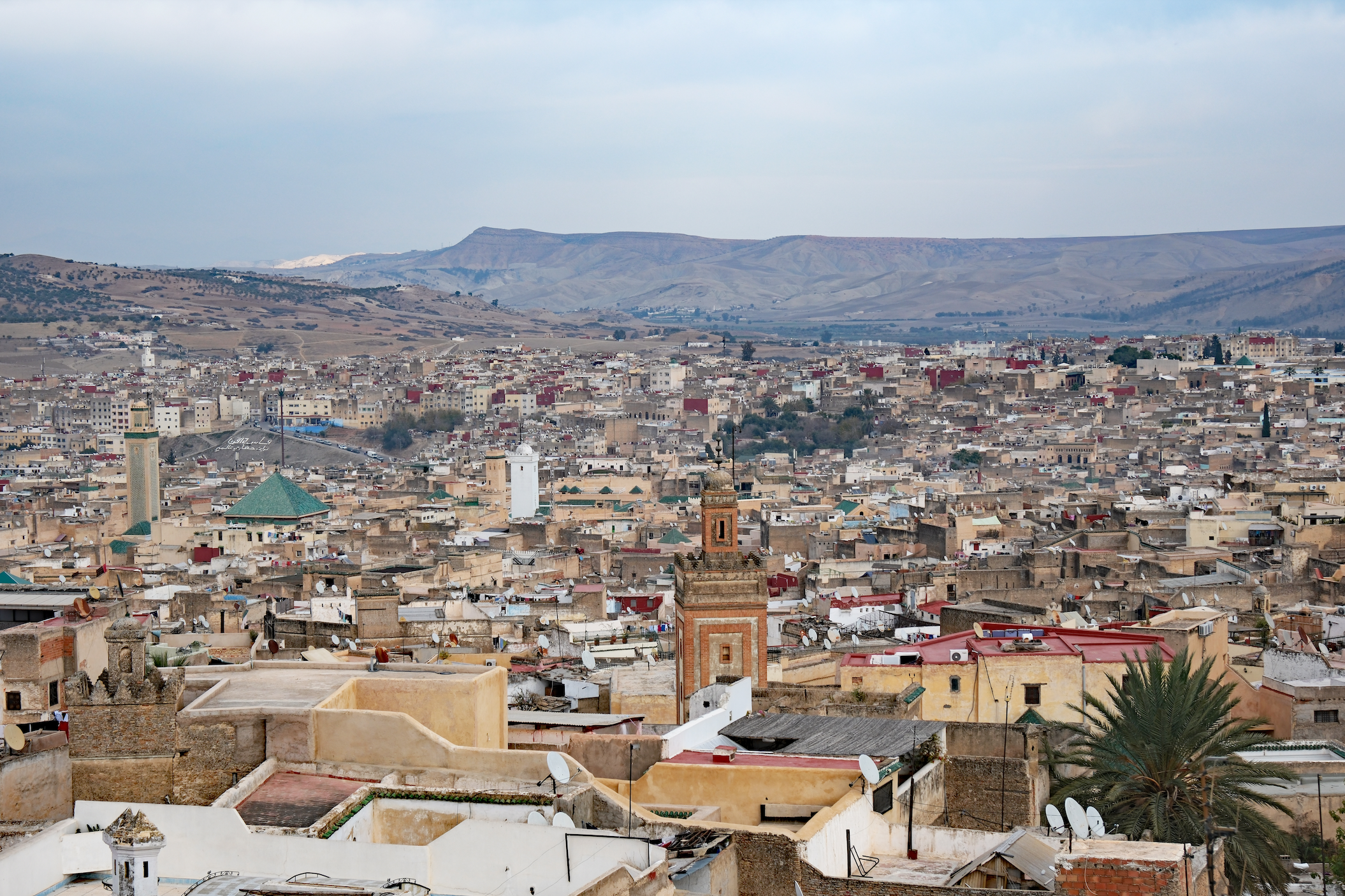
Like in Marrakesh, we had chosen to stay in a riad tucked inside the medina – after all, it’s what Fès is known for. Chandler and I hadn’t entirely agreed on our Marrakesh experience, so we were hopeful that Fès, often described as more relaxed and authentic, would be a city we could both enjoy.
When we first arrived, we made our way through the winding alleys with help from our riad. What struck us immediately was how quiet and unadorned the streets felt. In Marrakesh, nearly every turn looked like a curated photo backdrop, but Fès seemed to trade spectacle for subtlety. We’d read that its charm was different – less polished, more lived-in.
The Medina of Fès, a UNESCO World Heritage Site, is often described with a kind of reverence. Travelers come looking for something timeless: a labyrinth of alleys where donkeys still carry goods, where the scent of leather from the Chouara Tannery hangs in the air, and artisans continue centuries-old crafts in tucked-away workshops. With over 9,000 alleyways, some so narrow they feel barely passable, guides are often recommended just to keep from getting lost.

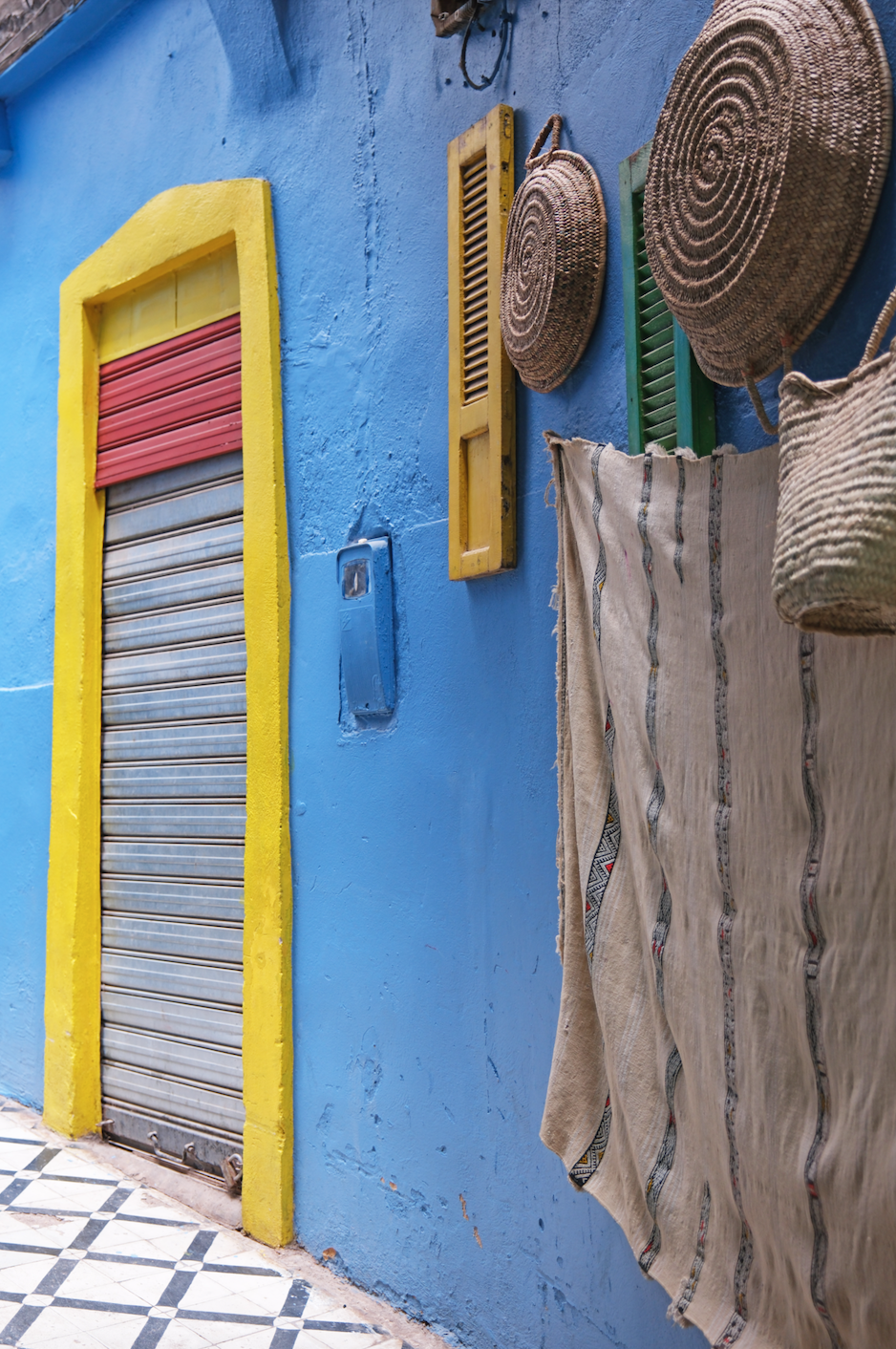
However, as we ventured deeper into the medina, our initial excitement gave way to confusion and disappointment. The labyrinthine alleys, though rich in history, felt more confining than enchanting. The high walls, devoid of ornamentation, offered little visual interest, and the famed vibrancy seemed absent.
The markets, which we had hoped would showcase unique artisan crafts, instead presented a monotonous array of mass-produced items, lacking the authenticity we sought. Even when items did look locally made, we learned that artisans can earn as little as 4% of what you pay.
After a few wrong turns, we did find our way to The Anou Cooperative’s Artisan Store. The cooperative is fully artisan owned and managed, so the artisan community keeps 100% of the profits.
Each product for sale has a QR code to show photos taken by the artisans, as well as their bios. Additionally, one of their supporters is Peace Corps! Our time serving with Peace Corps in Ethiopia was life changing and we loved to hear about volunteers making a difference in Morocco as well. With that in mind, we found ourselves thinking more critically about the experiences we chose to engage with.
We chose to skip the tanneries – one of Fès’ most photographed sites – as it felt disingenuous, given our vegetarian commitment to animal rights, to engage with something so rooted in animal exploitation. Not to mention, these age-old methods often don’t provide workers with adequate protective gear and there can be significant pollution from waste byproducts.
Even our culinary explorations fell short; renowned establishments like The Ruined Garden failed to impress with their bland vegetarian tagine (first photograph below). In hindsight, the most memorable meal we had in Fès was within the comforting confines of our riad at Gayza Restaurant (second photograph below), leaving us to ponder what we had missed in a city so lauded for its cultural treasures.

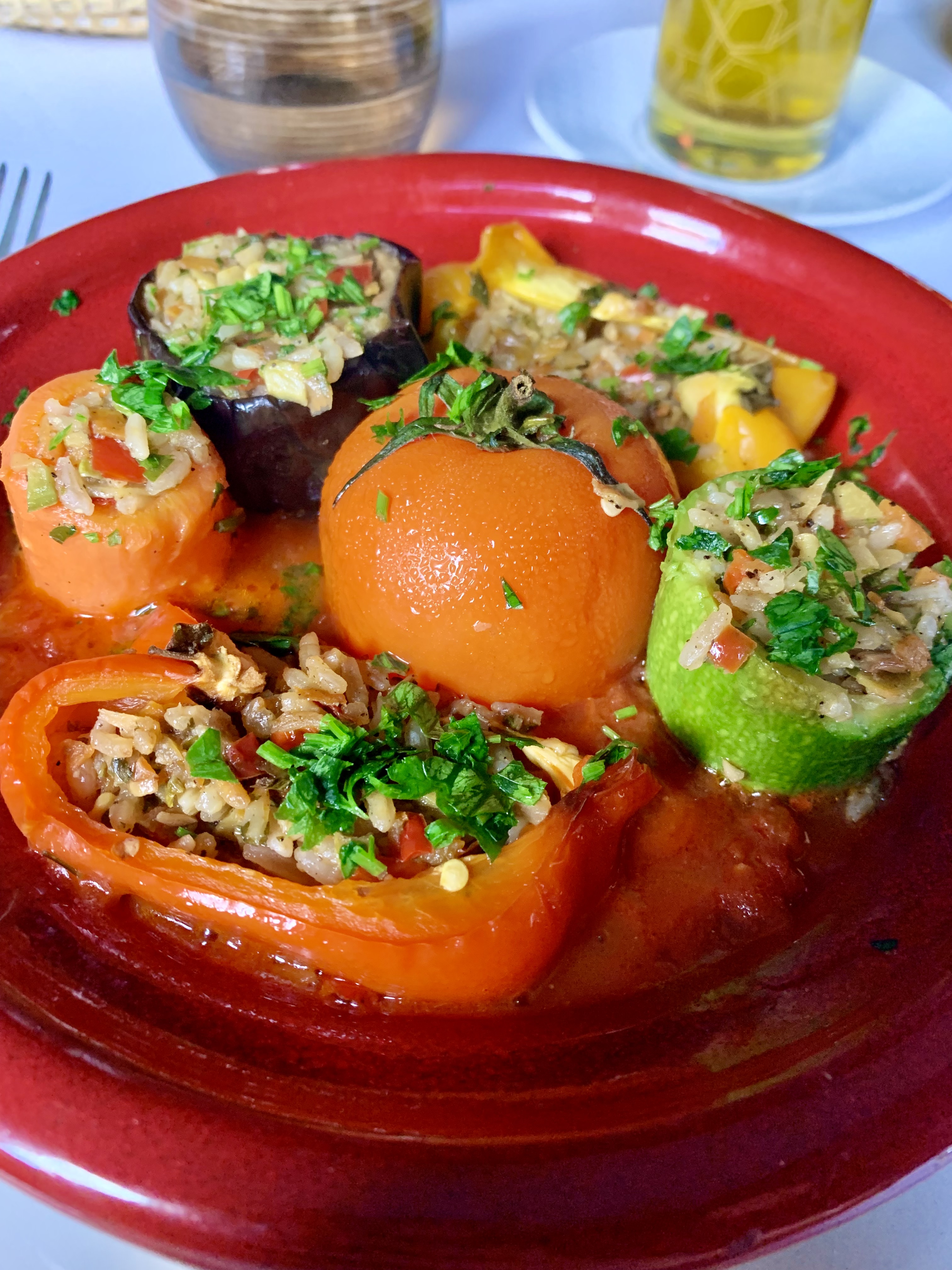
But we didn’t just love our riad because of their bold flavors and unique take on tagine. In fact, we had planned our whole trip around our four-night stay there.
Located in a restored 14th-century palace, Riad Fès is independently owned but part of the prestigious Relais & Châteaux collection – a network of luxury properties selected for their charm, character, and high service standards.
Initially, we had hoped to stay in the riad over Christmas, but it was fully booked. Instead of choosing another hotel in Fès, we altered the order for each city, choosing to start our trip in Marrakesh instead of Casablanca.
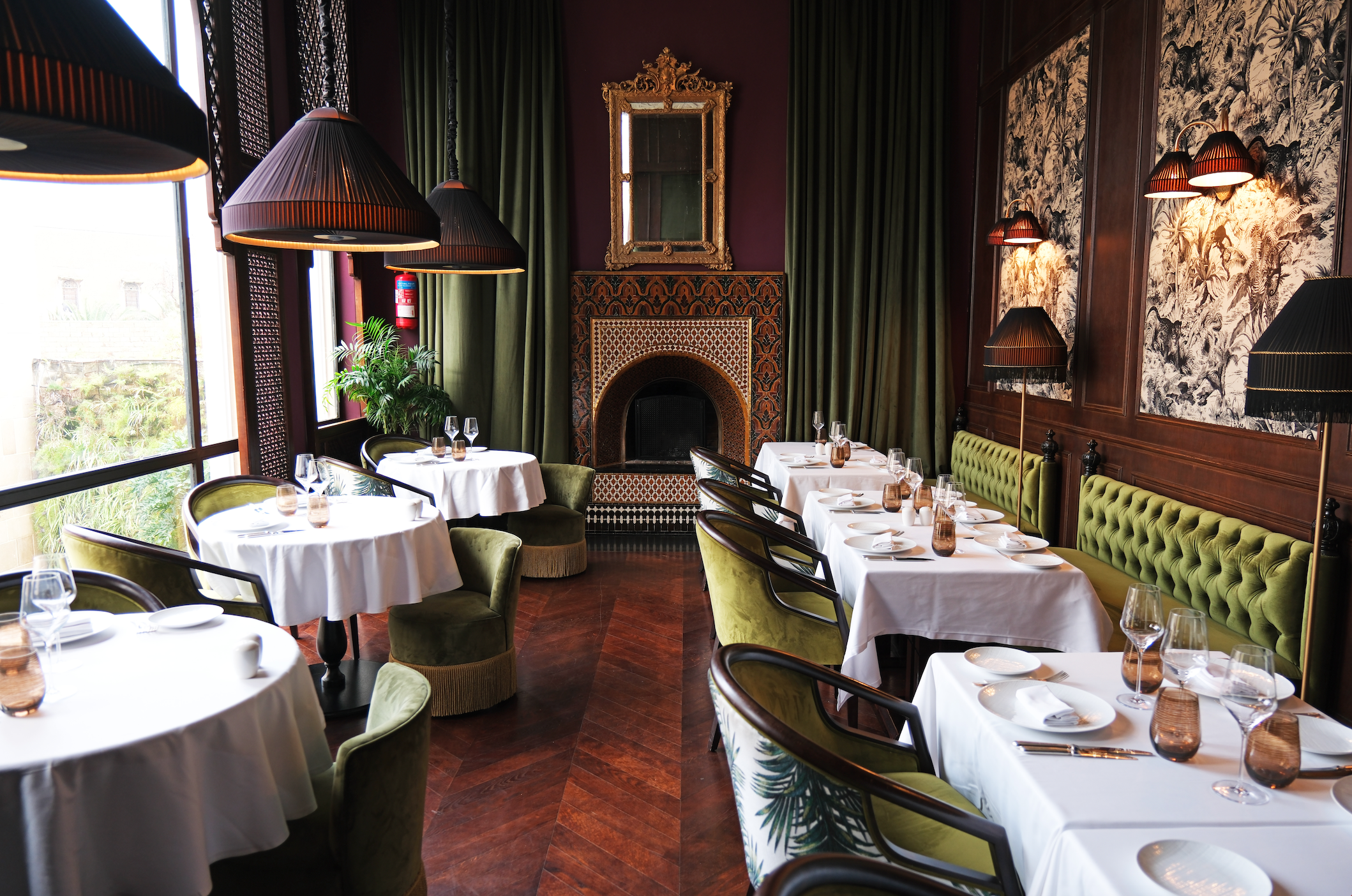
The city of Fès may have been a bust for us, but Riad Fès more than made up for it. The riad was, hands down, the most magnificent place we stayed during our time in Morocco. From the moment we stepped through the doors, we were surrounded by exquisite tile work, carved plaster, hand-painted wood, and intricate ironwork – all the elements that make Moroccan design so transportive.
Meals were served in a stunning green salon just off the main courtyard – a warm inviting space with a fireplace that made even chilly mornings feel cozy. The room felt both grand and intimate, perfect for lingering over breakfast or winding down with dinner.
But Riad Fès didn’t just impress with its design – it delivered with comfort too. Our suite had a number of lovely traditional touches, and our bathroom, wrapped in vivid green zellige tiles, was so striking I wished I could pack it up and take it home. The riad also offered conveniences we genuinely appreciated, like a small but functional gym, pool area, and spa.
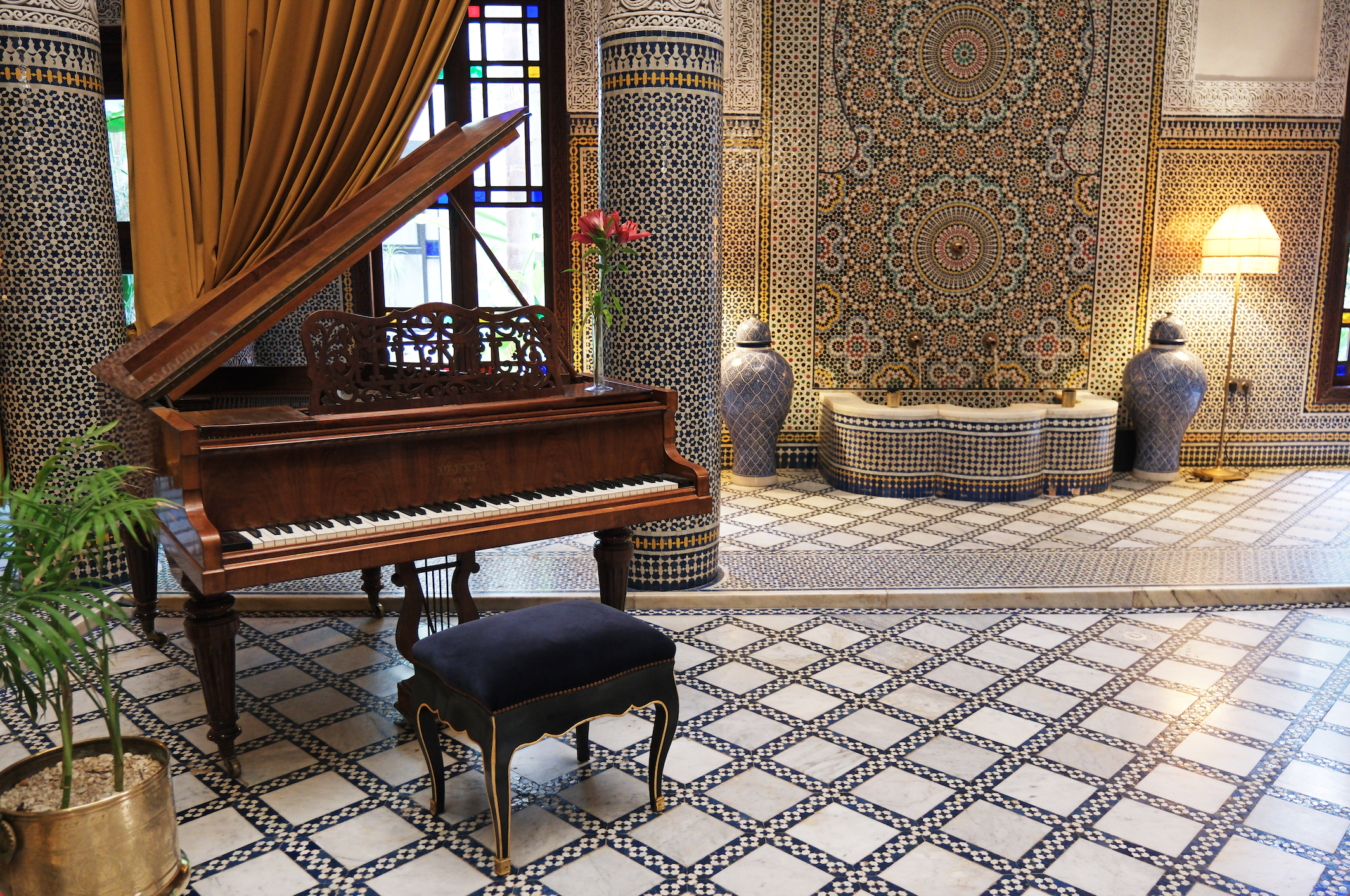

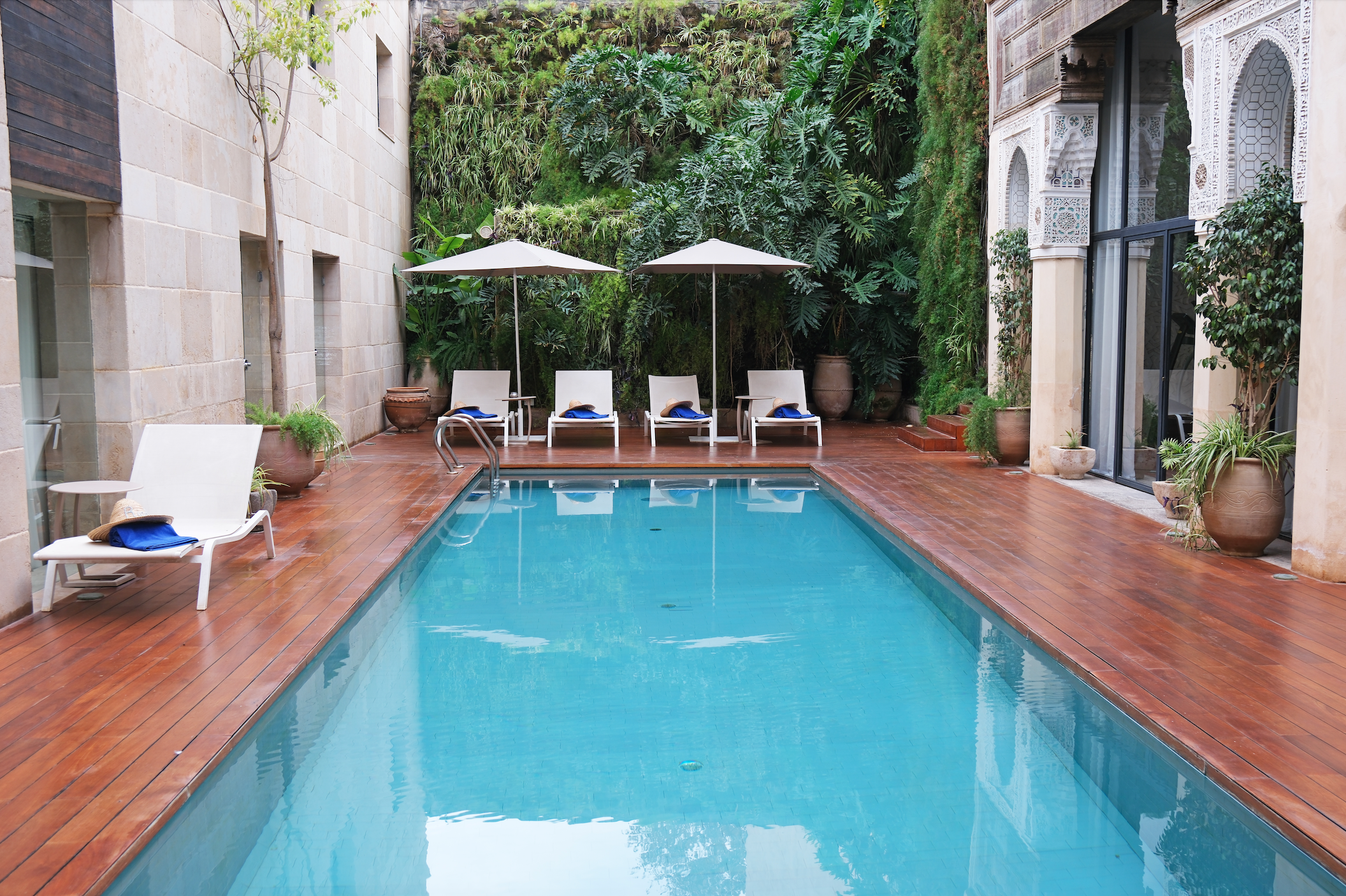
Riad Fès really did feel like its own little world, and after our disappointment with Fès itself, we were more than happy to retreat into it. It was the perfect place to end our time in Morocco. Over three weeks, we wandered through five cities, each offering its own rhythm and surprises.
Rabat ended up being my favorite – beautiful, calm, and full of potential. Marrakesh followed, bold and bursting with color. Casablanca and Tangier felt tied for third, each with moments we loved but fewer lasting impressions. And then there was Fès, full of illusions and expectations that never quite materialized.
Still, every stop gave us something new: a view, a meal, a memory. And now we have a new collection of stories.
 Abroad With Ashley