The pop culture side of Tokyo feels like stepping into someone’s daydream – arcades buzzing, vending machines glowing, and entire buildings devoted to anime, games, and collectibles. It’s a mix of nostalgia and current obsessions, all crammed into streets that never seem to run out of energy.
At Nakano Broadway, the narrow corridors hid shop after shop of retro anime and manga treasures. Ikebukuro came with its own kind of overload – from the giant Pokémon Center to Sunshine City’s endless shopping and entertainment. Tokyo Bay, a waterfront entertainment district, gave us another Pokémon Center along with sprawling malls and skyline views. We spent hours in Akihabara, ducking into multi-story game centers, browsing glass cases of rare cards, and wandering aisles of electronics old and new. And in Mitaka, the Ghibli Museum was a no-photos-allowed wonderland where every detail – from stained glass windows to the Catbus – felt like a secret we got to keep. We even made our way to Azabudai Hills for a Takahata Isao Exhibit that wrapped the whole experience up for us.
Tokyo is bright, loud, and playful – and for anyone with even a passing interest in Japanese pop culture, it’s impossible to skip.
Now, I have to admit, Chandler and I have more than just a “passing interest” in Japanese pop culture. In fact, just before we came to Tokyo, he was reading the manga Zom 100: Bucket List of the Dead and told me about a German character, Beatrix, who knows Japanese pop culture so well it surprises even the Japanese characters.
It struck me how much of our millennial childhoods were already tied to Japan. Trading Pokémon cards on the playground, watching Sailor Moon after school, playing Mario Kart at a friend’s house, and obsessing over the cuteness of Hello Kitty.
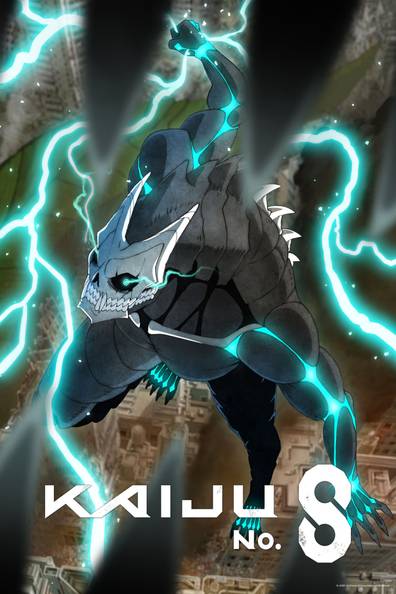
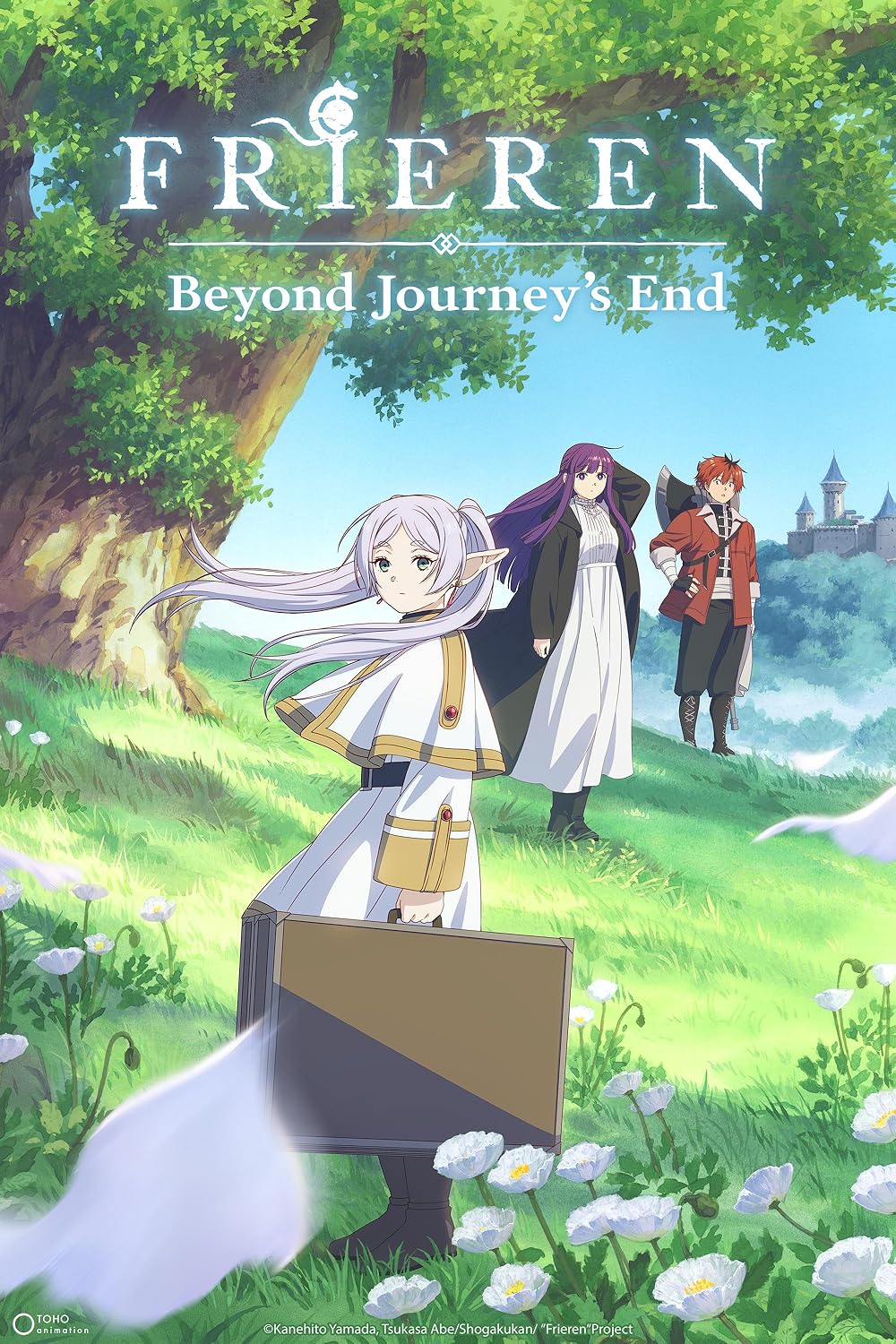
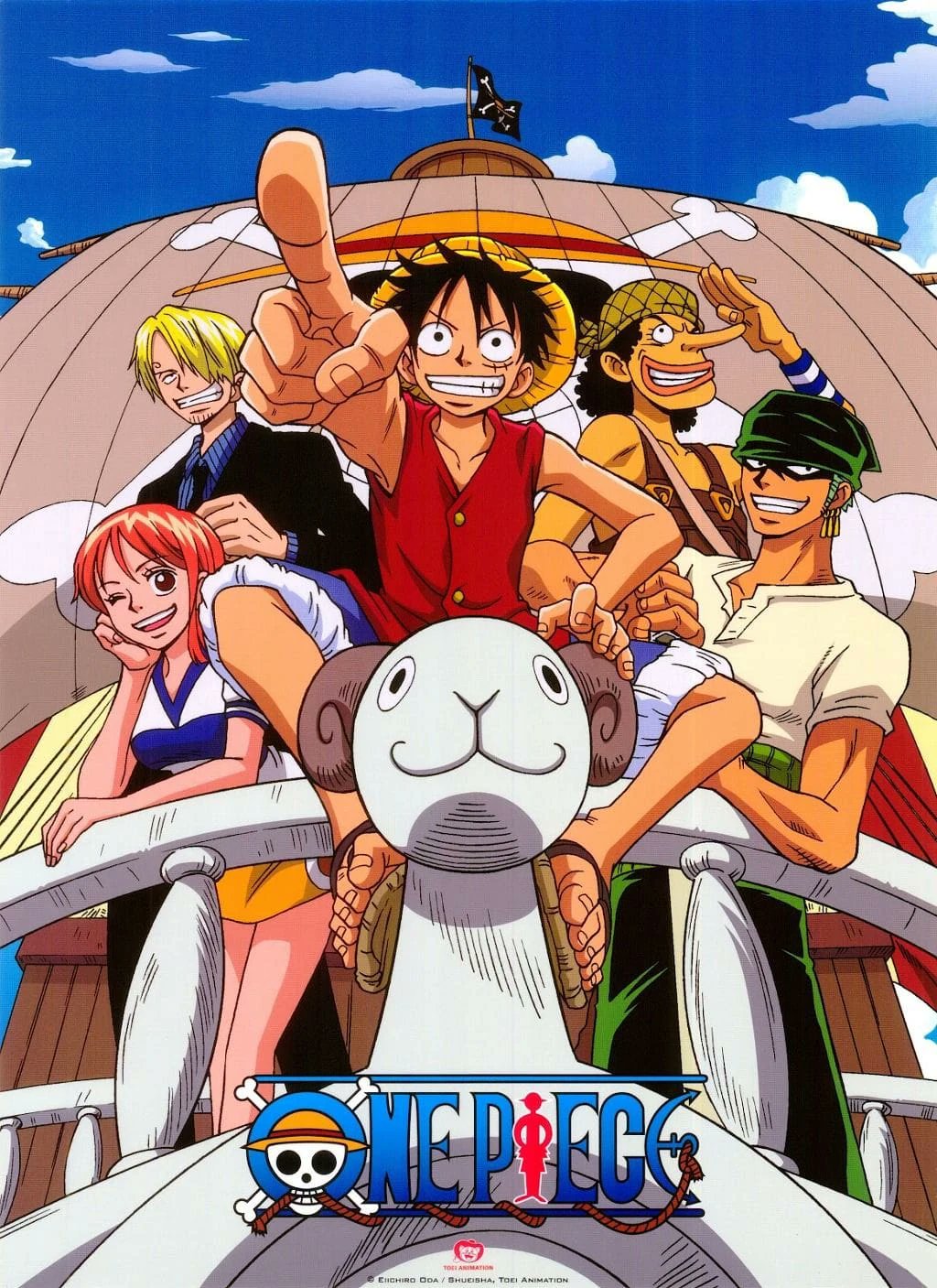
Even now, Chandler and I watch our favorite anime together: Kaiju No. 8, Frieren, and the never-ending One Piece, in addition to films by Studio Ghibli and others directed by Makoto Shinkai. Chandler even rekindled his love of Pokémon, spending the pandemic collecting all the cards he’d once had as a kid – this time in Japanese.
So when I say this isn’t just a passing interest for us, I mean it. Japanese pop culture has been a constant in our lives, and being in Tokyo meant finally being surrounded by it.
Interestingly, our first outing was a bit outside of Tokyo proper. We had to make our way via train to Mitaka in order to visit the Ghibli Museum. Tickets here need to be purchased well in advance because they definitely sell out. We lucked out by having a friend who lives in the neighbor – she was able to score specialty tickets for us.
The Ghibli Museum feels less like a traditional museum and more like wandering into a storybook house. From the outside it looks whimsical, with vines climbing the walls and playful colors tucked into the architecture. The brochure says “Let’s lose our way, together,” and that’s exactly the spirit of the place. There’s no set route inside the maze-like building – just winding staircases, hidden rooms, and stained glass windows featuring Ghibli’s most beloved characters. You can’t take photos inside, which at first felt disappointing, but it made me slow down and take in every detail.
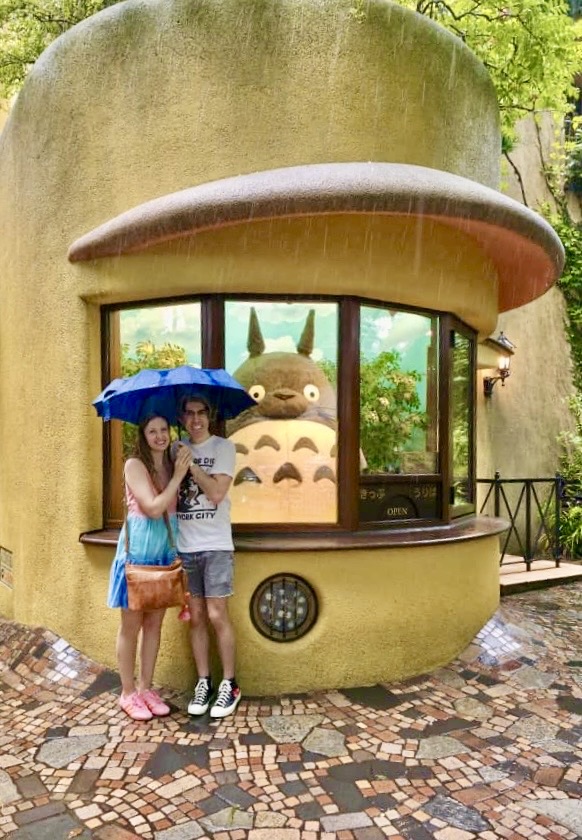
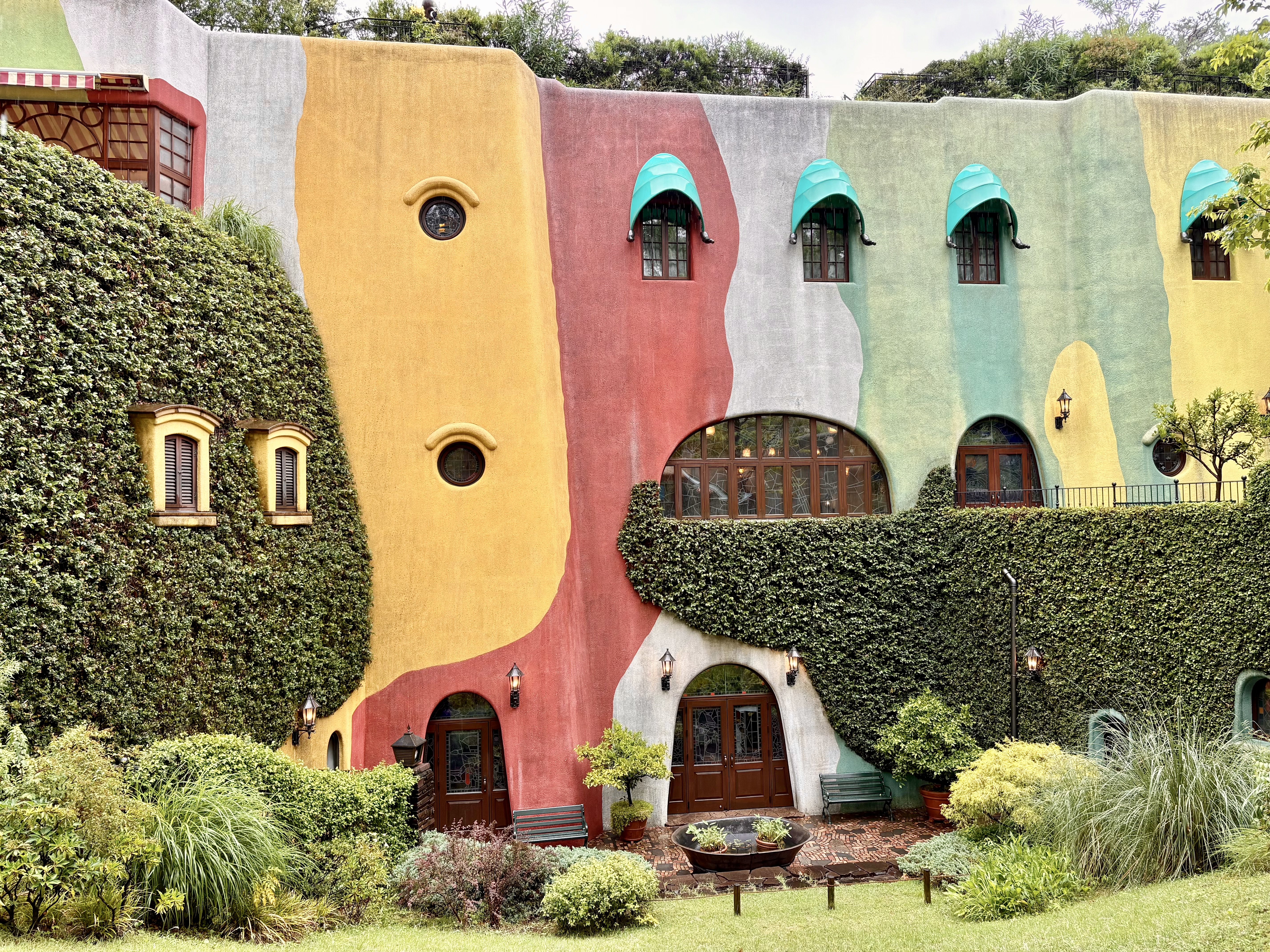
Our visit began in the small theater with a viewing of the short film Mon Mon the Water Spider – as someone who has battled arachnophobia my whole life, it was a surprisingly touching film about a water spider and a water strider. After that, we wove through the building, taking in the permanent exhibits and a special exhibit on The Boy and the Heron. I couldn’t help lingering at the Catbus room, though heartbreakingly it was only for children.
Rain poured for most of the day, but in a stroke of luck the downpour paused long enough for us to climb to the rooftop garden. There, standing tall against the skyline, was the giant robot from Castle in the Sky. Spending the morning there really felt like stepping into a Hayao Miyazaki dream.

When it comes to anime shopping, a lot of people start in Akihabara. Since we’d be spending six weeks in Japan and traveling all over, we decided to hold off. Instead, we began at Nakano Broadway – which was conveniently located on our route back from Ghibli Museum.
Nakano Broadway was supposed to be a warm-up, a way to ease into the endless card shops and figure cases of Tokyo. But it ended up being much more than that – floor after floor crammed with vintage manga, secondhand collectibles, rare cards, and specialty shops.
We didn’t expect to buy much there, but the deals and variety surprised us, and we walked out with bags heavier than planned. One of our favorite finds – a Frieren figurine – came from a store so full that we could barely turn around without knocking something over. In fact, we made so many purchases there that we decided to hold off on the rest of our Tokyo shopping until we came back at the end of our trip.
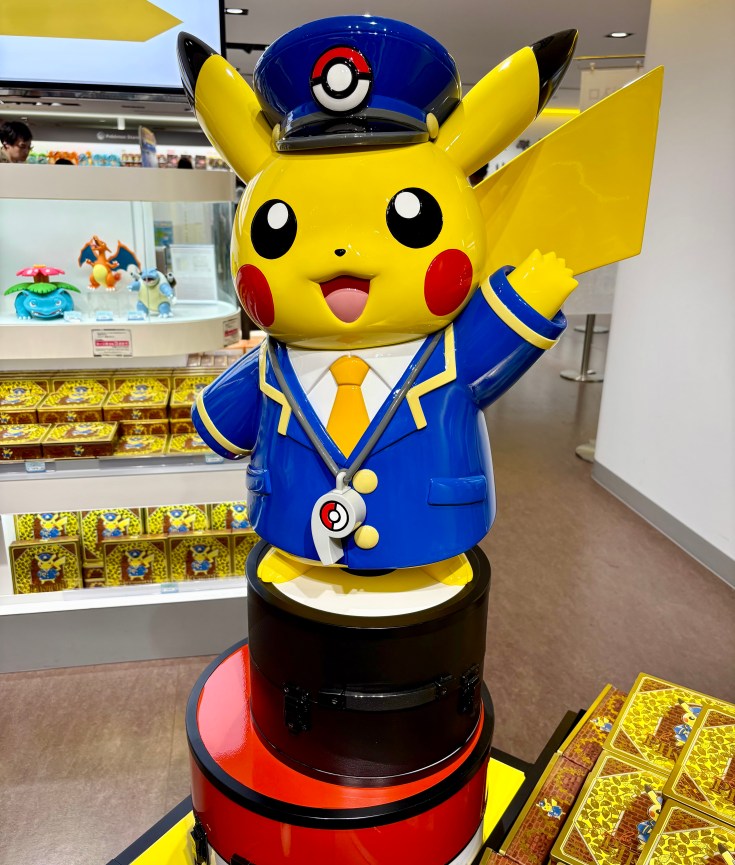
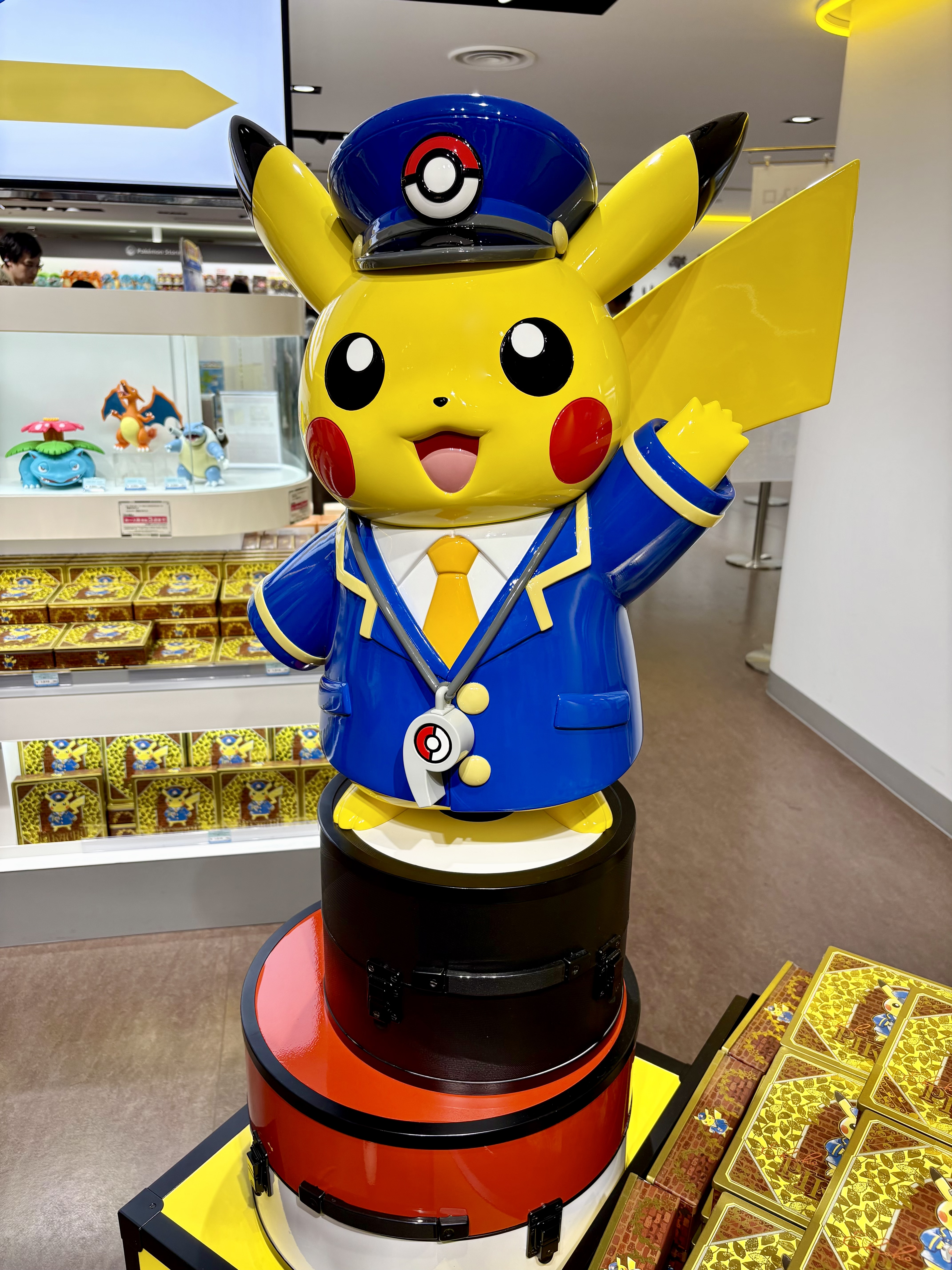
We did make it to our first three Pokémon Centers before leaving Tokyo. The Pokémon Store in Tokyo Station was our first and I absolutely adored Stationmaster Pikachu. The cap and jacket are cute, but the whistle is pure genius. We bought our Tokyo Bananas there. Pokémon Center Tokyo DX was a completely different experience – it was absolutely huge (and we bought a whole baskets-worth of stuff! Including my first Pokémon plushy – a sleeping Psyduck).
Pokémon Center Shibuya was the busiest out of all 16 that we went to. In fact, the line was so long, it was the only Pokémon Center we didn’t make a purchase at.
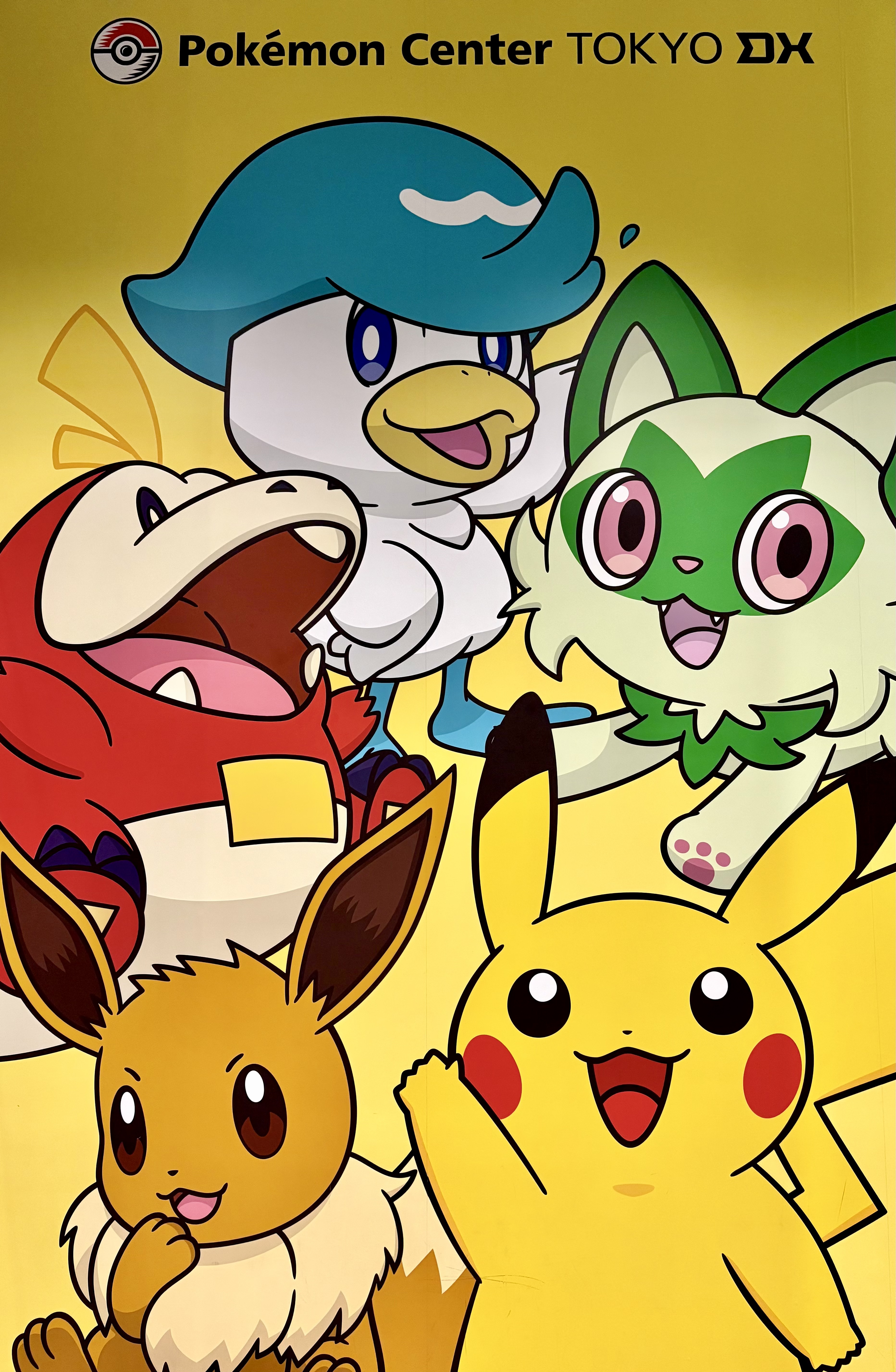

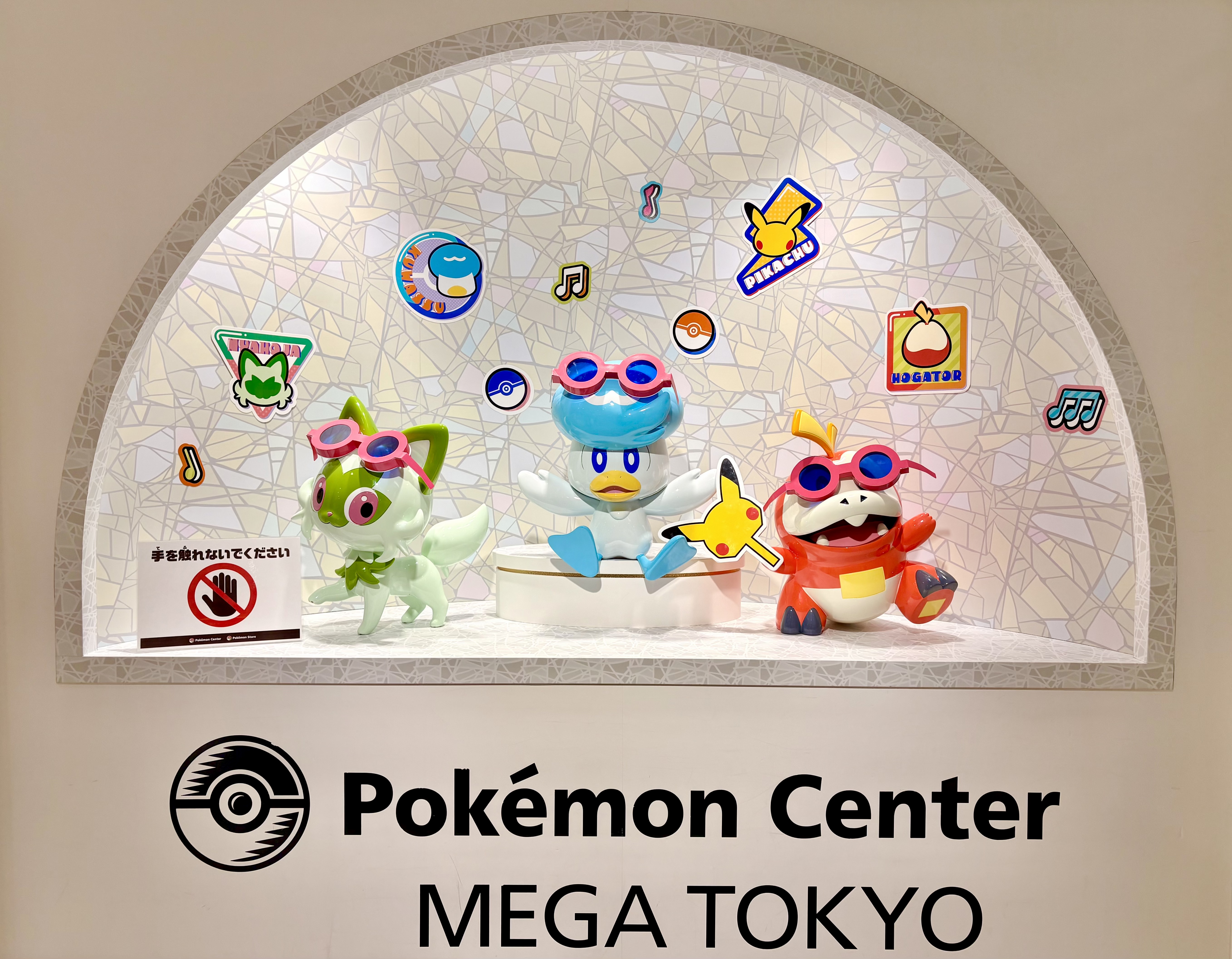
In our final week back in Tokyo, we picked up where we’d left off, starting in Ikebukuro. We spent half a day in Sunshine City, a sprawling shopping and entertainment complex, with our main stop being Pokémon Center Mega Tokyo. If Shibuya had been our busiest center, Mega Tokyo might just have been the largest.
I wish I could remember what we purchased at each of the centers, but by this point in our trip, the Pokémon purchases were starting to merge together (I mean, there had been so many purchases!). But Mega Tokyo had Pokémon hidden all around the mall, which was a lot of fun to discover.


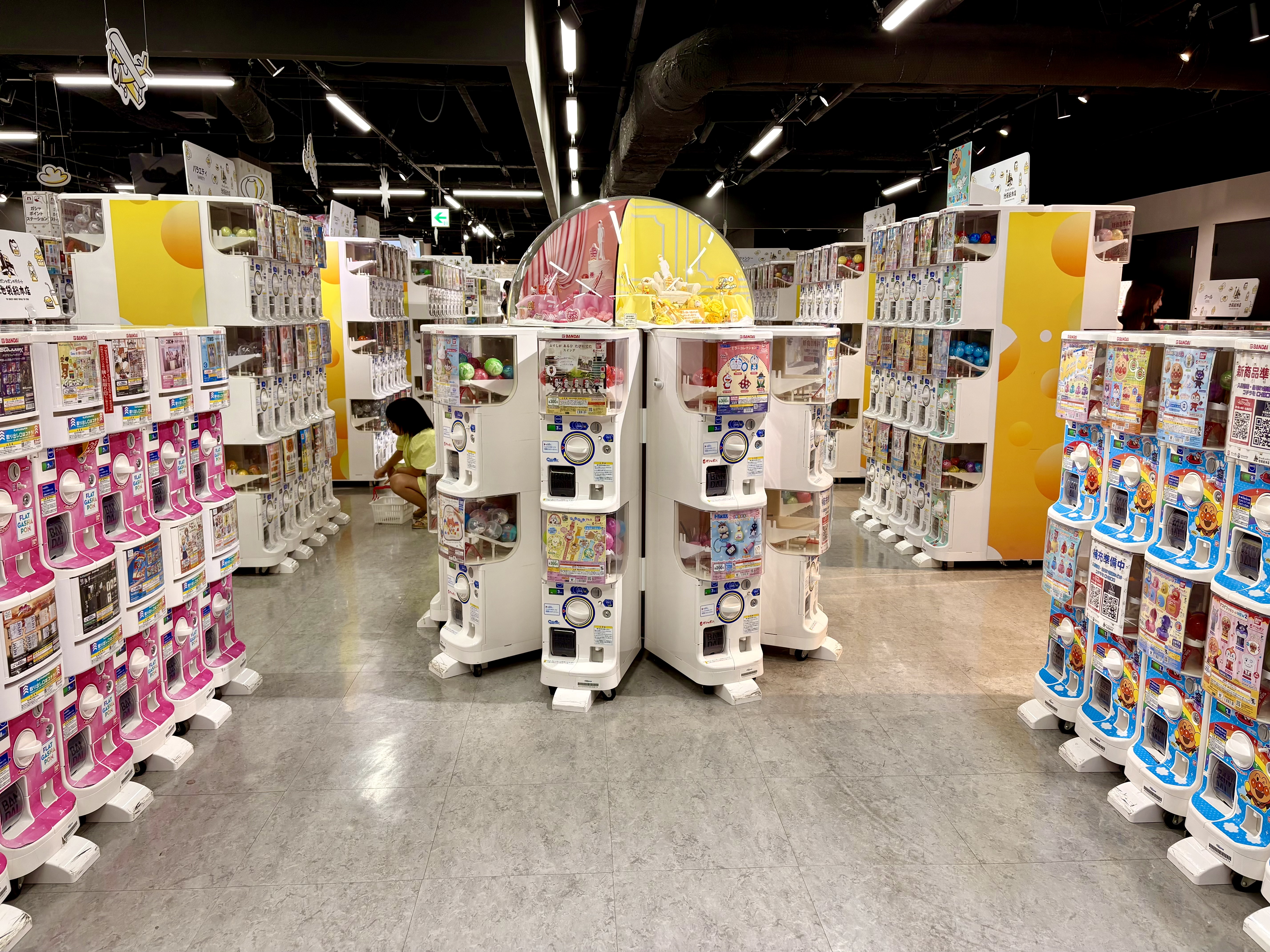
Also in Sunshine City is the largest gashapon store in all of Japan. We’d played a few of these machines throughout our trip, but nothing prepared us for the size and variety here. Entire walls were filled with machines offering everything from niche anime figures to everyday oddities (like mini bags of chips and bike helmets). I was especially excited to see a capsule set for Stray, the only video game I’ve ever completed from start to finish. I tried the gashapon machine three times and hilariously pulled the same seated Stray figure each time.
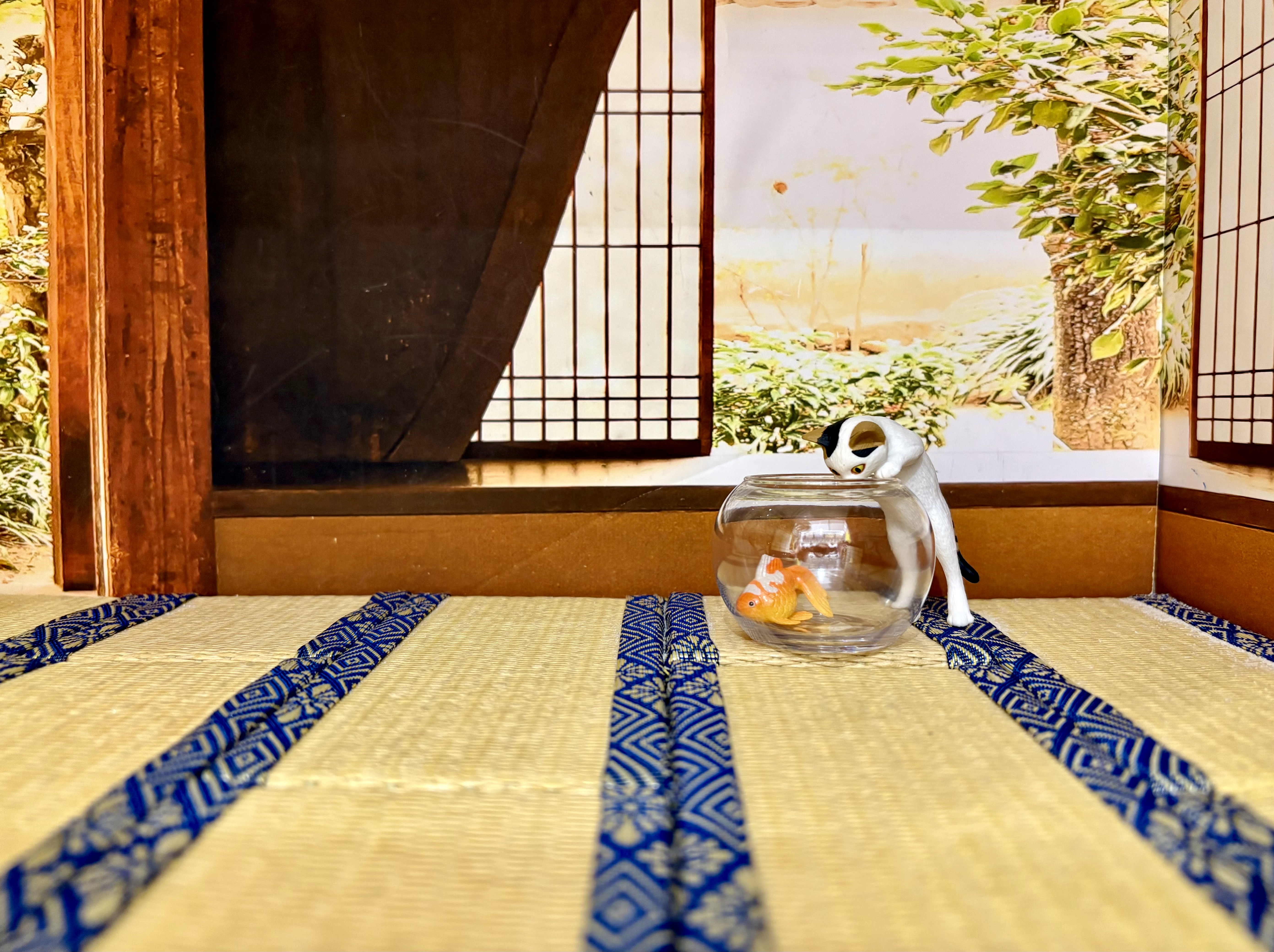
Don’t worry, I wasn’t the only one with excellent luck. Chandler ended up with three sleeping Pokémon sheep – not exactly the prize he was hoping for with Pikachu and Eevee in some of the other capsules. But he did score the real treasure of the day: A reclining Godzilla complete with hand on hip, equal parts majestic and ridiculous. As for me, I also walked away with a cat leaning over a fishbowl and another cat in a matchstick case. Have I mentioned that I loved being in a country as obsessed with cats as I am?
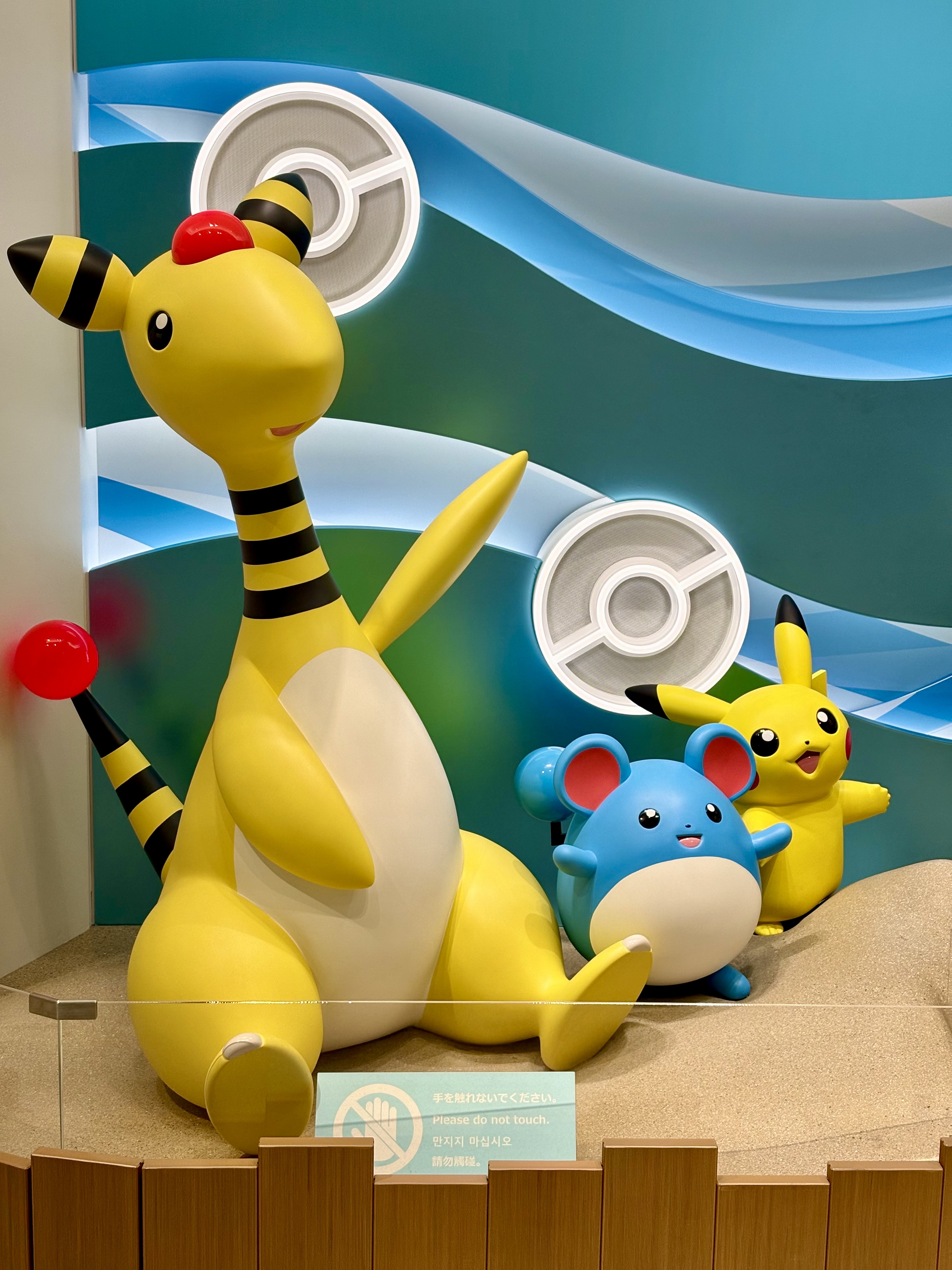
Pokémon Center Skytree Town was on the smaller size, but easy to get to. We felt like the Tokyo Pokémon Centers didn’t quite have as much personality as the ones in other cities.
Pokémon Center Tokyo-Bay was the farthest of the “Tokyo” centers. But the beach vibe was absolutely adorable and it had the added benefit of being at the LaLaport Tokyo-Bay Mall, which also had my favorite Tower Records. Of course, the big one is in Shibuya, but it was pretty picked over when we went (at least when it comes to K-Pop!). So I was stoked to find old BlackPink albums at the LaLaport Mall.

Now, we’d saved the biggest stop for last: Akihabara, the neighborhood most people picture when they think of anime, cards, and otaku culture. We’d even split the neighborhood up into two visits – first sticking to the card shops and stand-alone businesses and then returning another day for the ten-story mall.
During our time in Japan, I stepped foot in a lot of card shops. At first, I helped Chandler look for specific Pokémon cards on his list, but early on (either in Fukuoka or Osaka), I’d started on a collection of my own.
I wanted something a lot more manageable than Pokémon (plus, Chandler and I didn’t need to collect the same cards). I love One Piece and my favorite character is Uta from the film Red. I decided I’d collect the Uta cards – there couldn’t be that many of them, right?
Wrong. Turns out there are 45 Uta cards. But I slowly built up my collection throughout the summer, with just the last handful to search for in Akihabara. However, it turns out that there aren’t a lot of One Piece cards in Akihabara – they’re mostly dedicated to Pokémon. One Piece is more of a Japanese craze and since so many foreign tourists find their way to Akihabara, the collections are more curated to their tastes.
Thanks to Chandler’s help, I did find my grail Uta card in a shop in Shibuya. And along the way, I found myself collecting quite a few other One Piece cards, with pages dedicated to Nami and Vivi as well.


But Akihabara did have an impressive collection of figurines (albeit at higher prices than we’d seen at Nakano Broadway). We enjoyed walking from store to store outside more than being in the ten-story mall (though some of the shops, like the one with the opened gashapon and small anime memorabilia – think pins, coasters, key chains, and postcards – were incredible).
We also found our collection of the four original Nintendo Gameboy Pocket Monster games and we 100% plan on framing and hanging those beauties. So I’ll admit I’m glad we went to Akihabara. But I’m even more glad that we didn’t wait to make all of our purchases there – or we’d have missed some really great souvenirs!


Now, these were some of our big pop culture stops in Tokyo – but really, the whole city is incredible! One of the best surprises was how pop culture in Tokyo isn’t confined to single neighborhoods. It pops up everywhere – sometimes in the most ordinary places.
While riding the metro, we joined a Pokémon stamp rally where collecting six stamps from different stations earned us a giant Pikachu card. We weren’t the only ones running around with stamp sheets in hand. And every single one of us, from children to the elderly, were excited to claim that oversized card at the end.
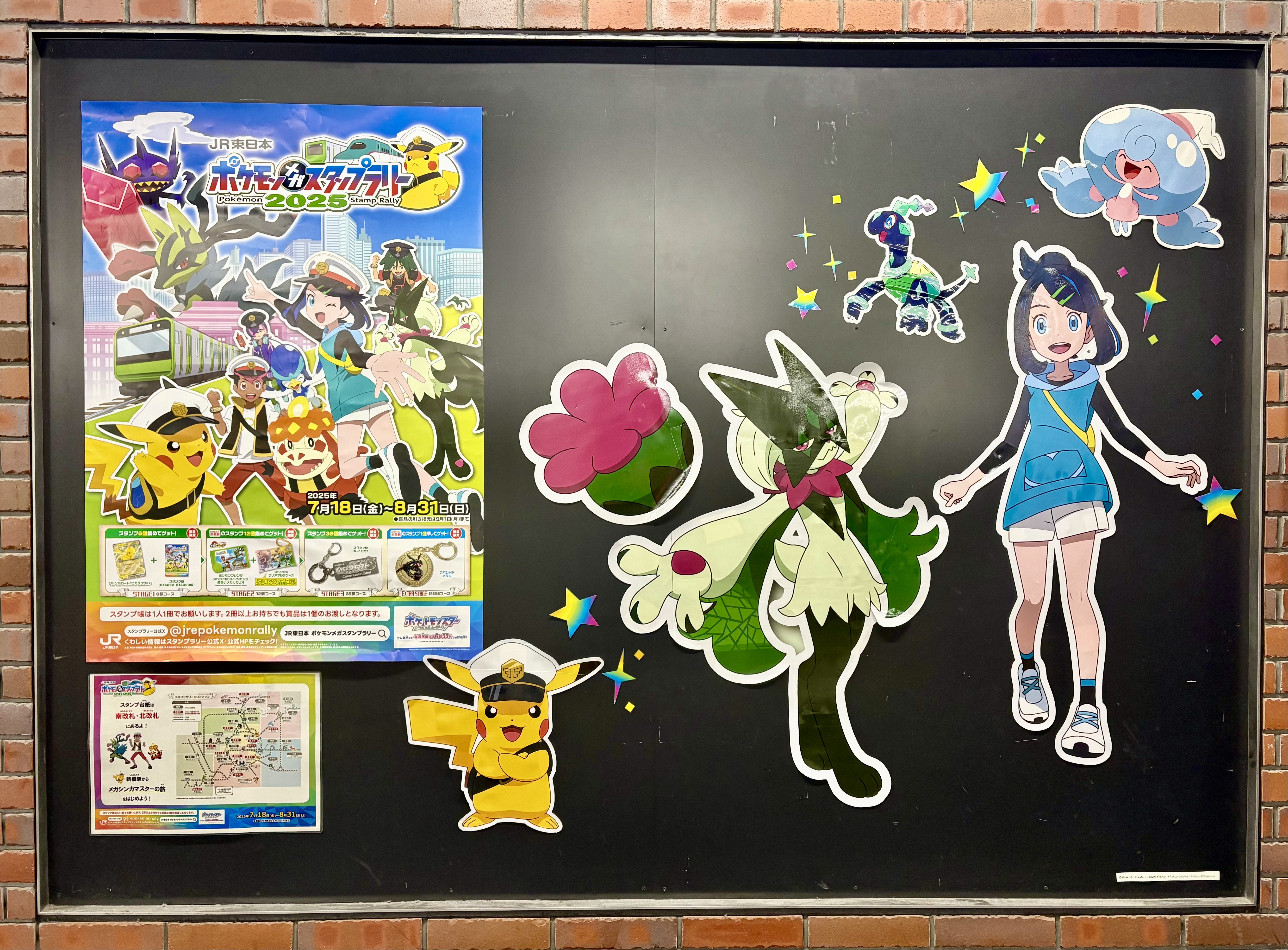
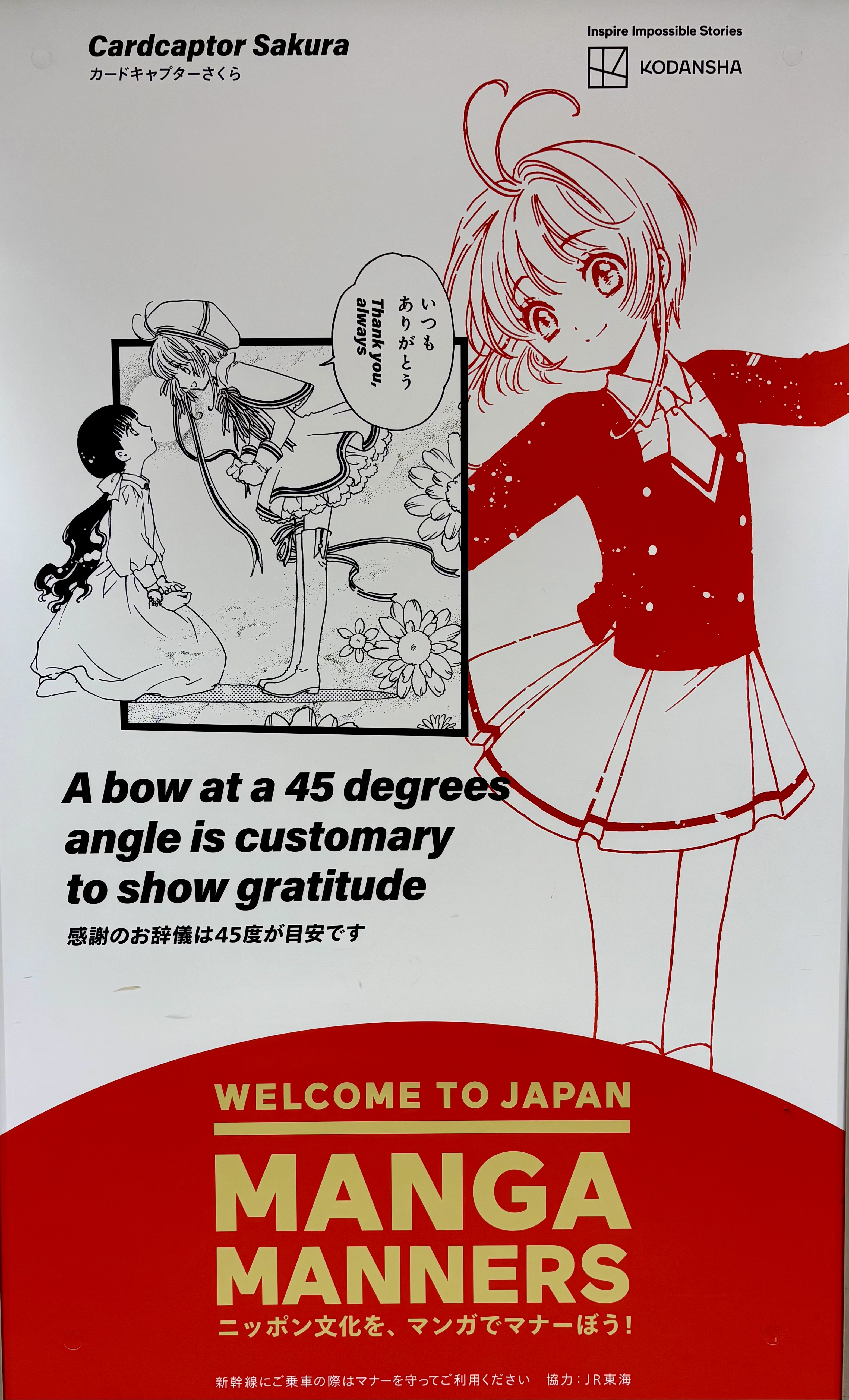
Once we started noticing it, we realized the whole city felt like a pop culture scavenger hunt. Outside Shiodome Station, the giant Ghibli Clock whirs to life several times a day. Anime posters teach Japanese etiquette in the metro. We found One Piece, Nintendo, and Hello Kitty specialty shops in malls across the city. It made Tokyo feel like one enormous playground – not just somewhere you shop for souvenirs, but a place where the things we grew up with had become a part of the everyday landscape.


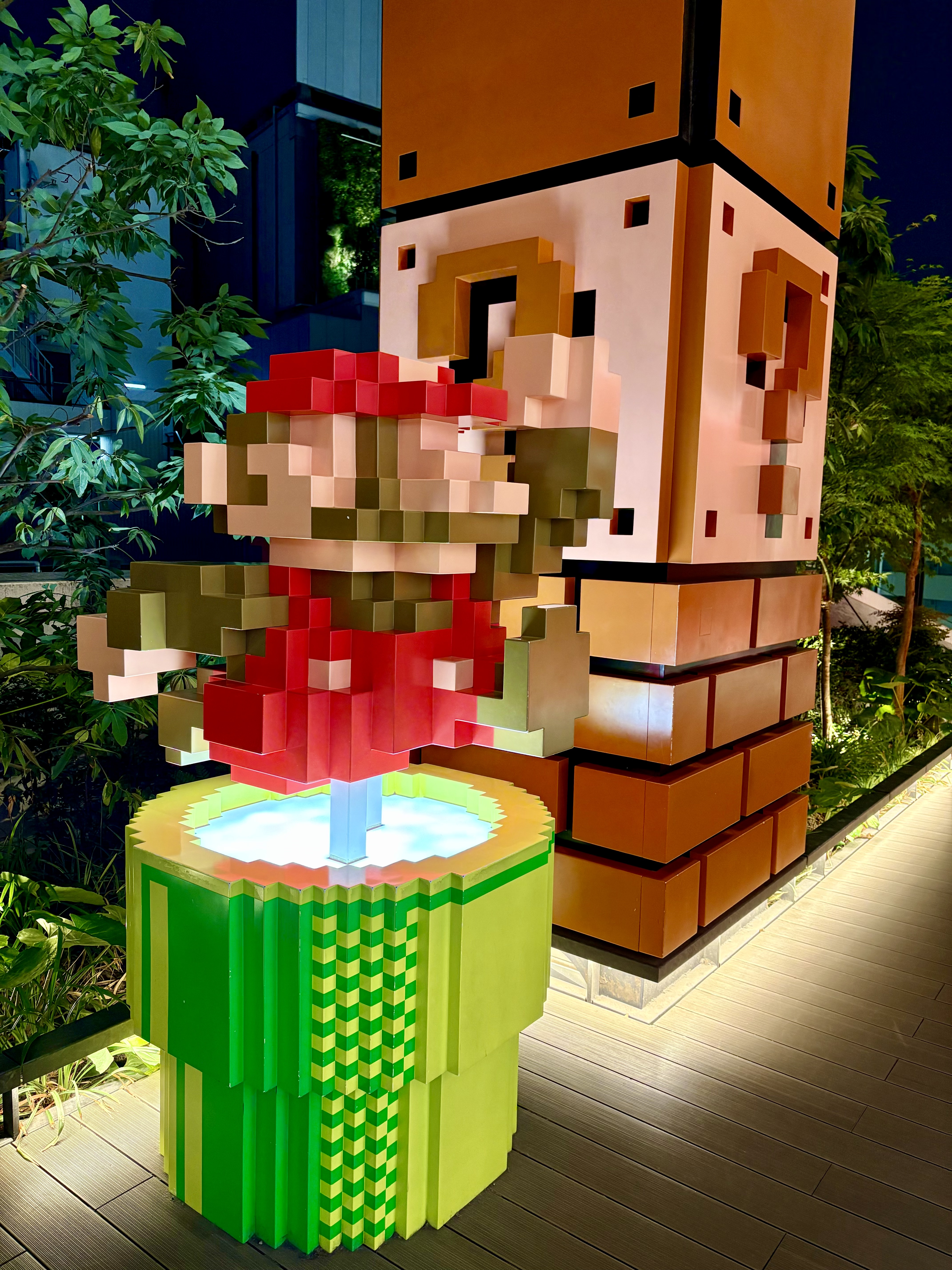

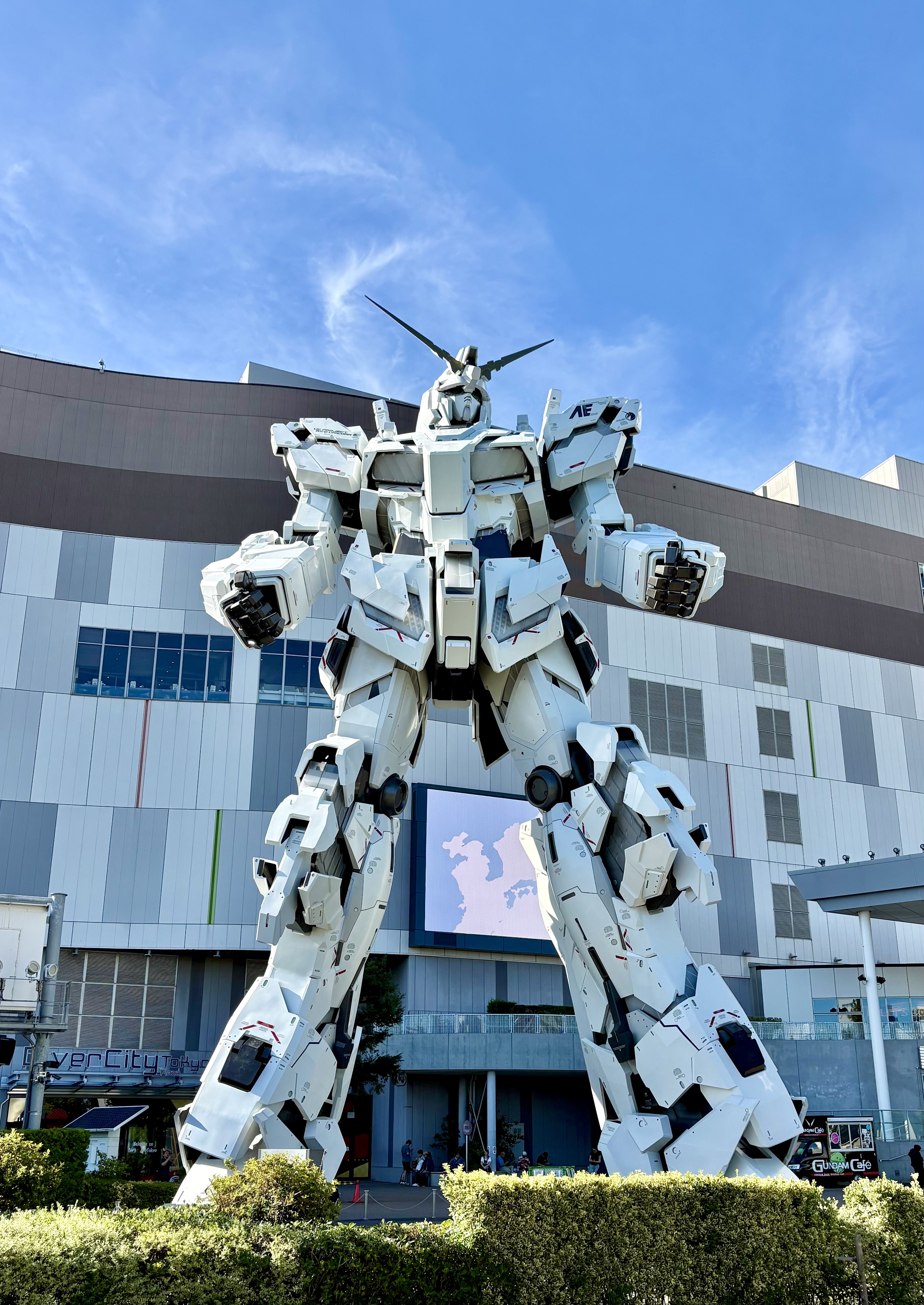
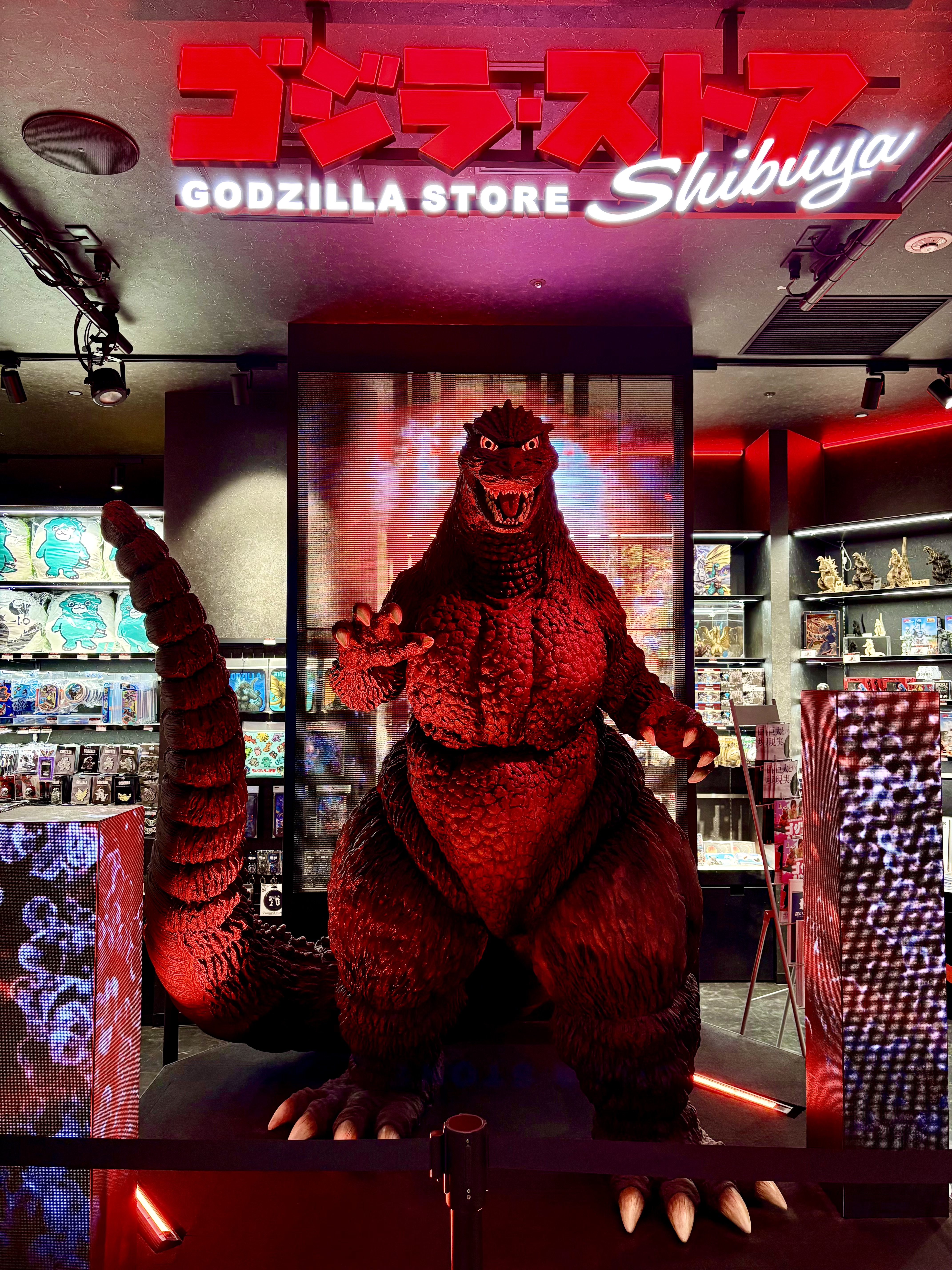
We also trekked out to the Gundam Base to view the giant model. And we marveled at the sheer visibility of Godzilla across the city – including the creativity people had with their love for the kaiju. There were even tucked-away corners where current franchises were getting hyped up. There was no neighborhood in Tokyo that didn’t include at least some homage to pop culture.



We ran into pop culture even when we weren’t looking for it. We mistakenly made our way to a museum in Rappongi Hills when we were supposed to go to a different exhibit space in Azabudai Hills. This could have been a frustrating moment for us, but because it was Tokyo, it was an amazing misadventure.
Roppongi Hills just happened to be hosting a huge outdoor Doraemon exhibit with dozens of statues across the plaza. My favorite moment was watching groups of school girls queue up in matching outfits to pose with one specific Doraemon that was holding a purse. They were able to carefully tuck their idol merch into his purse before they took their own photos. It was absolutely delightful. We also found Doraemon Time Square outside of DiverCity Tokyo Plaza – not even realizing what it was until later!


Eventually, we did make it to the Takahata Isao Exhibit titled The Man Who Planted Japanese Animation. This was a great great culmination event for us. For Chandler, the draw was Takahata’s quieter works – Only Yesterday and My Neighbors the Yamadas. For me, it was the social commentary in The Tale of Princess Kaguya, as well as Grave of the Fireflies, which I’ve always considered one of the most powerful animated films ever made. 2025 is the 80th anniversary of the end of World War II (specifically the end of the Pacific War), and the exhibition had some specialty mementos from Grave of the Fireflies.
What struck us both, though, was how much we didn’t know about Takahata. The exhibit traced his career back to the 1960s, through his TV beginnings and into his role co-founding Ghibli. While his partner Miyazaki’s films are grand, fantastical, and often heroic, Takahata’s focus was on everyday lives, natural landscapes, and the quiet rhythms of ordinary people.
We learned so much that afternoon – about Takahata, about the evolution of Japanese animation, about how one man’s vision could shape an entire industry. It was thoughtful, moving, and unexpectedly personal. As we stepped back out into the city, it felt like the right way to close: A reminder that pop culture in Japan isn’t just bright lights and characters on billboards, but also art, memory, and the patient craft of storytelling.
 Abroad With Ashley