
Unlike Tokyo, we didn’t come to Fukuoka with a big to-do list. A few friends who’d lived there told us not to skip it, and honestly, we’re glad we listened. Compared to the scale and spectacle of Tokyo, Fukuoka felt calmer, homier.
Since we didn’t have a packed itinerary, we spent our first day walking around to see what we could see. No big temples. No bucket list stops. Just a lot of street scenes and friendly energy. When I took a photo of the neighborhood temple below, one of the members gave me a thumbs up and thanked me for caring about his temple!
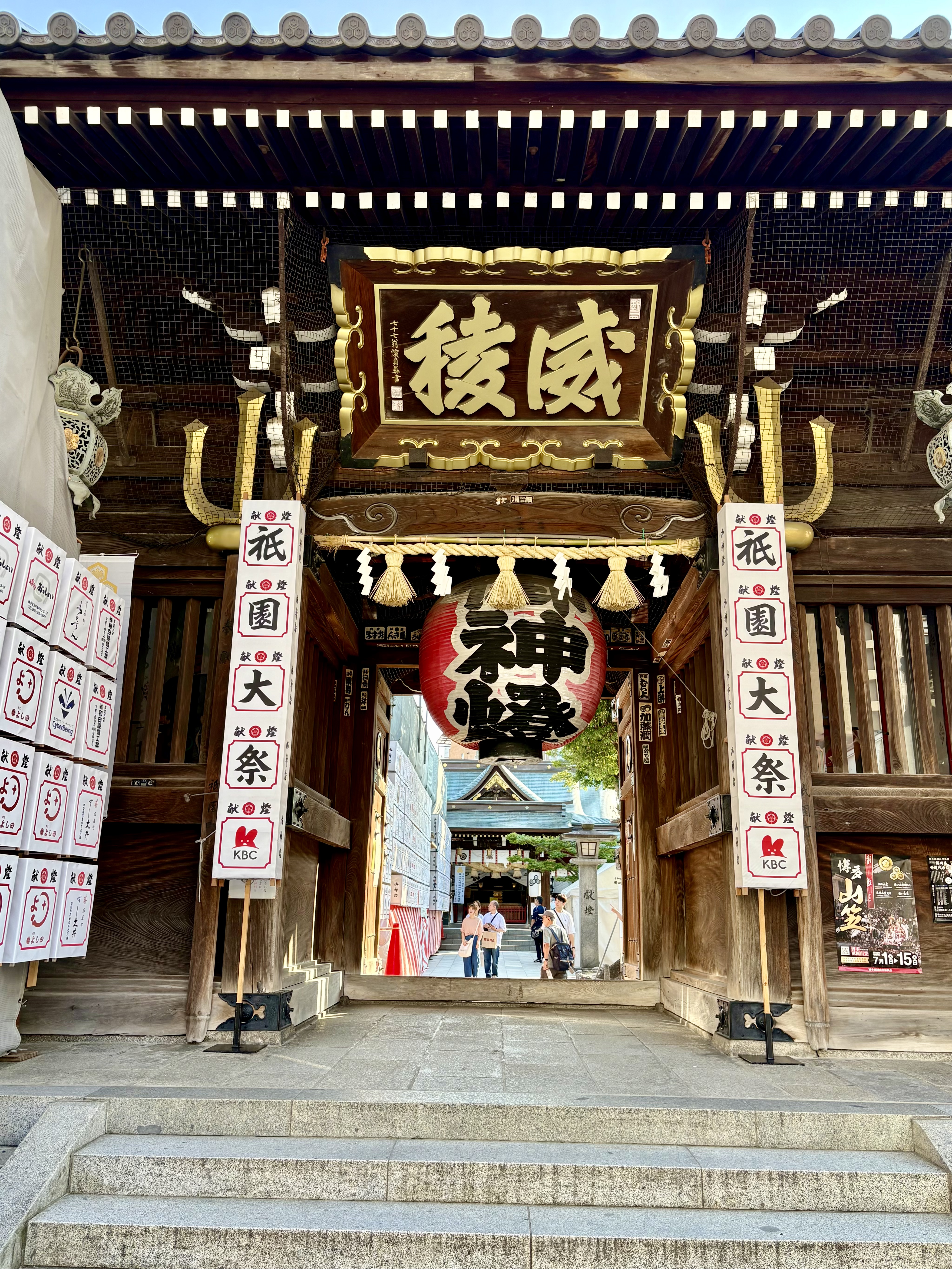

We happened to arrive just as the city was getting ready for Hakata Gion Yamakasa, Fukuoka’s biggest summer matsuri (festival) and one of the most famous in Japan. It’s not just a parade – this one happens to be all about speed. Each neighborhood builds a float (kakiyama), and on July 15th, teams of men actually race them through the streets at sunrise, carrying them on their shoulders for five kilometers. We didn’t catch the race itself (new bucket list item!), but the preparations were everywhere.
You’d turn a corner and stumble onto a side street full of people in traditional happi coats and loincloths (fundoshi), working on floats or just hanging out. The outfits have been updated over time – more modern and a bit more modest – but not completely. We saw plenty of bare butts, mostly from the youngest and oldest participants.
We saw a few of the giant floats on display – absolutely towering, beautifully decorated, and clearly not built for racing. It turns out Fukuoka actually has two types of floats for the festival. The ones we were seeing are called kazariyama, and they are built for display only. The ones that get raced through the streets are a lot smaller – though “small” is relative when you’re carrying them on your shoulders at a full sprint.

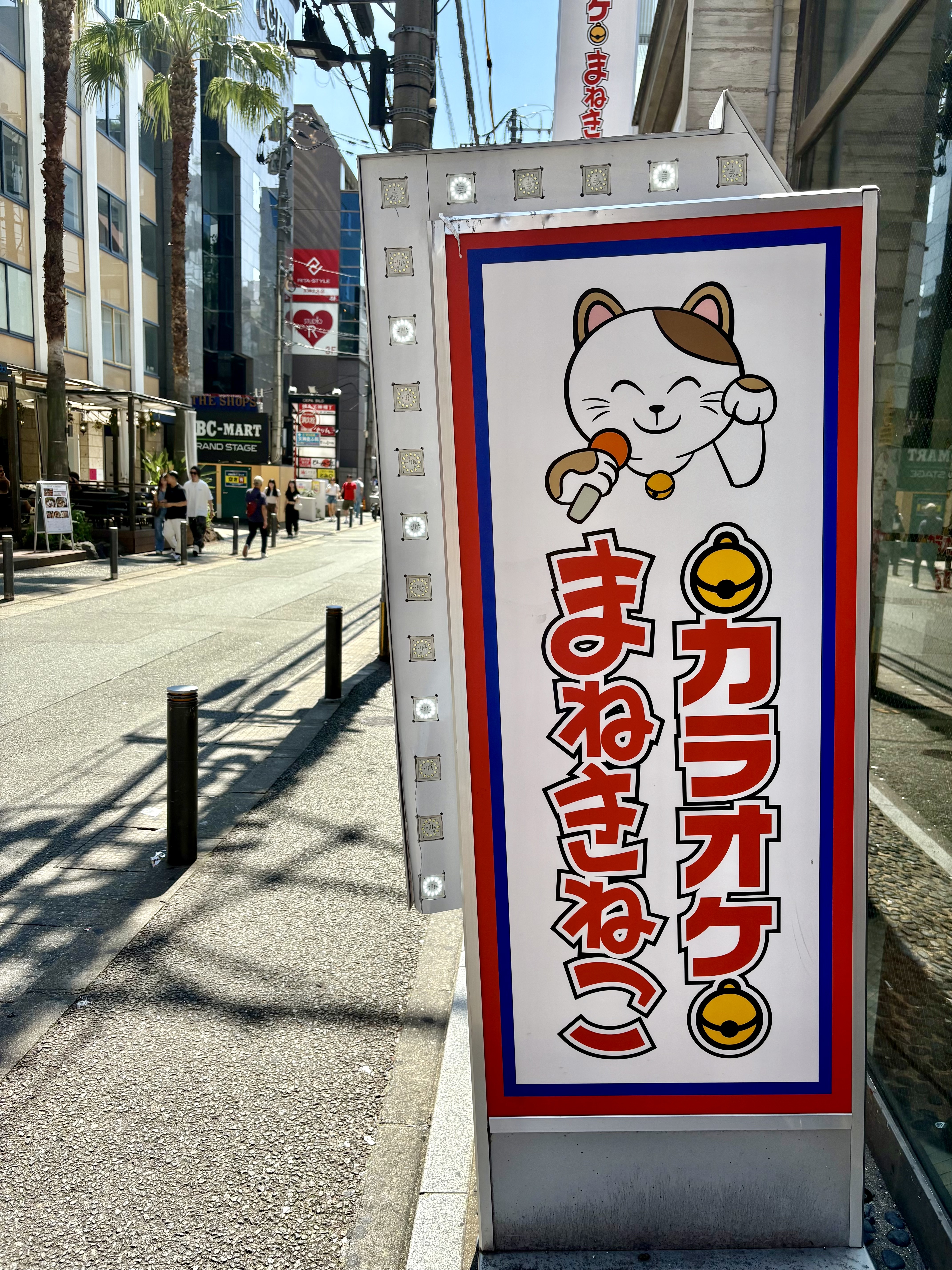
Fukuoka was full of pride – something we hadn’t witnessed in Tokyo. And even chain stores felt more laid back and fun. Don Quijote had adorable penguin chairs out front, Hysteric Glamour had a great wall mural, and I don’t even like karaoke, but man did that cat graphic tempt me!
Lots of people in Japan move to Tokyo, but it was so enjoyable to see regional pride. And a story we heard again and again in Japan was how many people moved back home from the big city as soon as they could afford to.



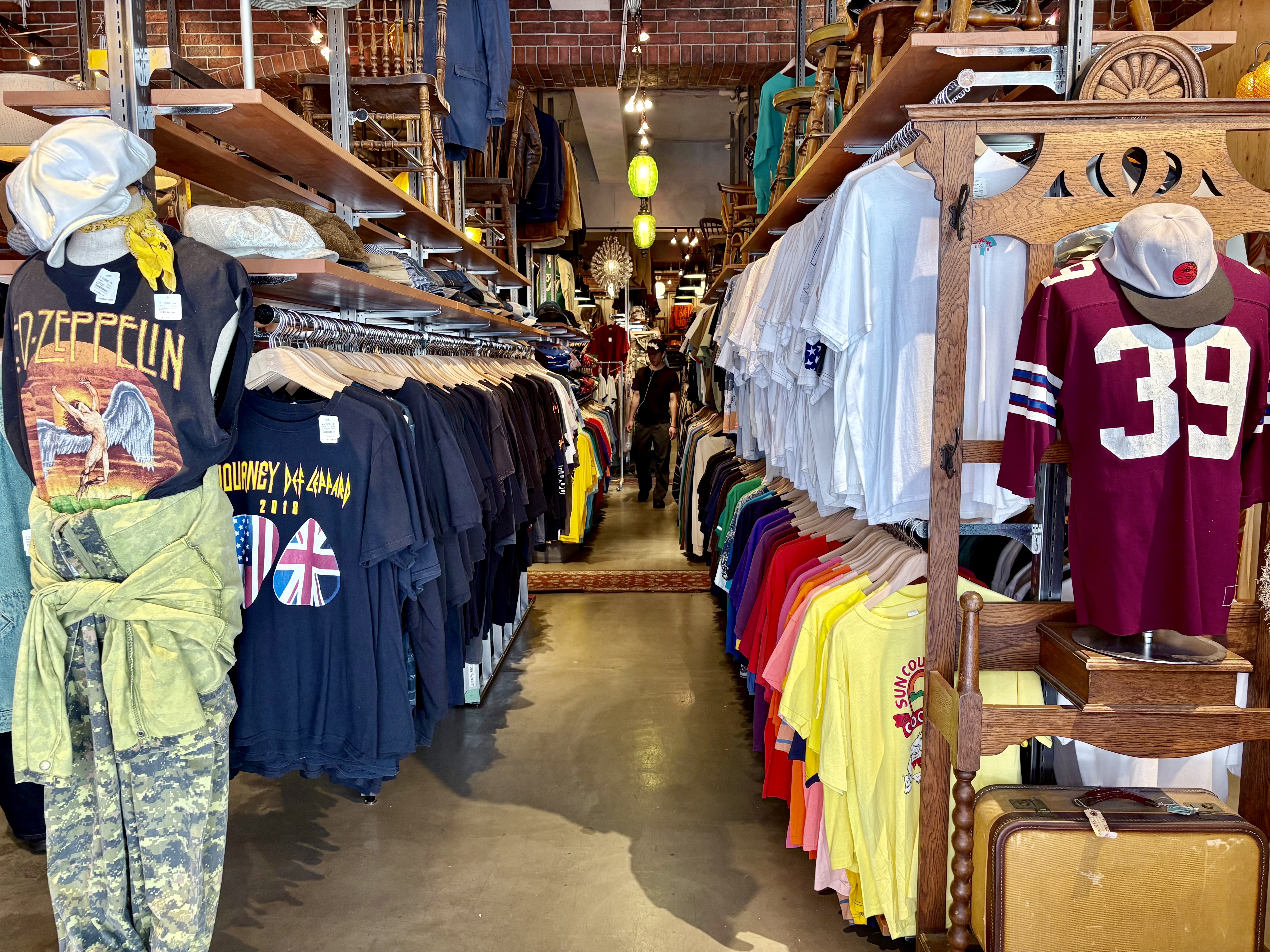
One thing that blew me away was Fukuoka’s vintage scene. Most of Japan had a good collection of vintage shops, but Fukuoka took it so seriously – they also had a vibe: Americana. And nobody did it better than Big Time (photographed below). Hilariously enough, after two years in the US, we absolutely did not need this type of vintage shopping.
Instead, I was thrilled to find Bring. Instead of Americana, most of their vintage came from Europe and they were speaking my language. Limited releases of designer collabs, their collection contained a lot of purses, wallets, and accessories, but they also had some clothing and shoes. I found myself a dream duffel and a few days later, I went back to purchase it! A great thing about shopping in Japan, you don’t have to pay tax if you’re a tourist, making large purchases significantly more affordable (I think this is soon to change – following European standards where you pay the tax upfront and are later reimbursed).

While shopping, Chandler wore one of his (many) Godzilla t-shirts and the best comment he got was “Godzilla is our Tom Cruise!” What a hilarious comparison.
One big activity for us was the Gundam Side-F site with a GIANT Gundam statue (apparently the tallest in the world). Not only does Chandler watch the anime (and I’ve even seen one show: The Witch from Mercury), but he also builds the models. Every day, the statue lights up and puts on a show – which mostly just means music plays and it changes positions – but is still impressive enough.
However, the real show-stopper of Fukuoka was the Pokémon Center. We had arrived in Fukuoka on a Saturday and tried to go to the center. We knew it might be busy, like in Shibuya, but we never imagined we wouldn’t be able to get in at all. Entrance required a timed ticket – and they were out for the day.
It turns out that it was opening weekend – the Pokémon Center had been closed for months and we had arrived just in time for their grand re-opening. Luckily, tickets were only required on the weekend. We returned Monday morning when the store opened and waited in line for about 30 minutes before we made it inside. Let me tell you, it was worth the wait.
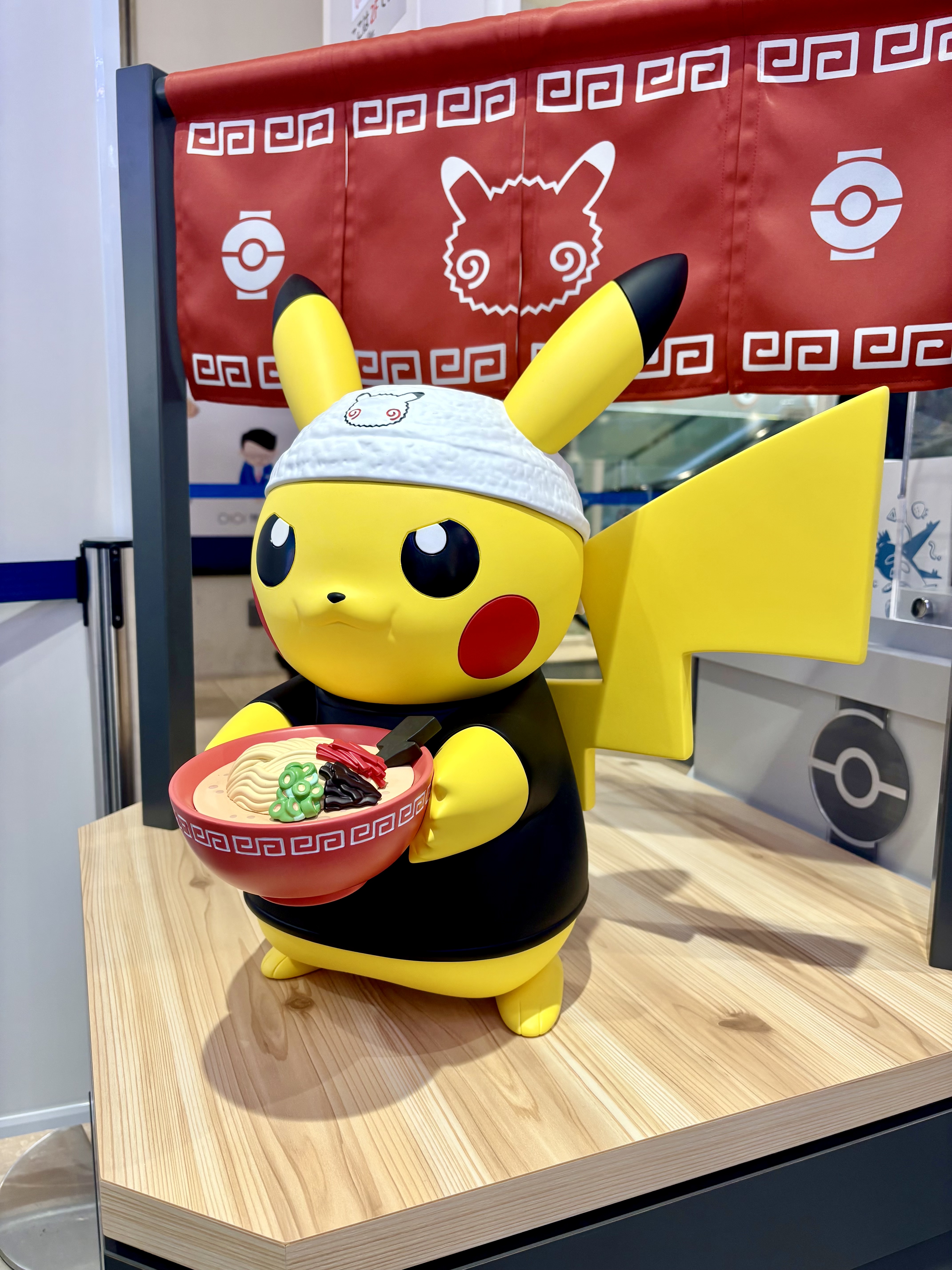
Most Pokémon Centers have statues and merch that showcase regional pride and Fukuoka was no exception. In fact, the store was unveiling Hakata Ramen Pikachu (pictured below). Hakata ramen is a specialty of Fukuoka’s – it’s much creamier than what you find in the rest of the country – and it was the theme of the re-opening.
They were selling plushies (easily the number one selling item), but there were also pins, key chains, folders, t-shirts, towels, ramen bowls, spoons, and more. It was nearly impossible deciding which swag to buy – knowing we still had so much more of Japan to see (and shop in!). But it was an incredible experience (only the Hiroshima and Sendai Pokémon Centers rivaled Fukuoka’s).

We also made our way to Canal City Hakata to watch the F1 movie in IMAX – not realizing that the mall would have us coming back another day. We were obsessed with mall culture in Japan. Canal City even has a daily water and light show dedicated to Gundam. But the stores were just as mesmerizing.
We actually bought our first gashapan capsules in Fukuoka, browsed countless anime, and thumbed through trading cards (Chandler continued his Pokémon collection, while I started a One Piece collection for myself). Canal City even has a store dedicated to Studio Ghibli (this wouldn’t be our only one on the trip, and they are some of my all-time favorite shops!).
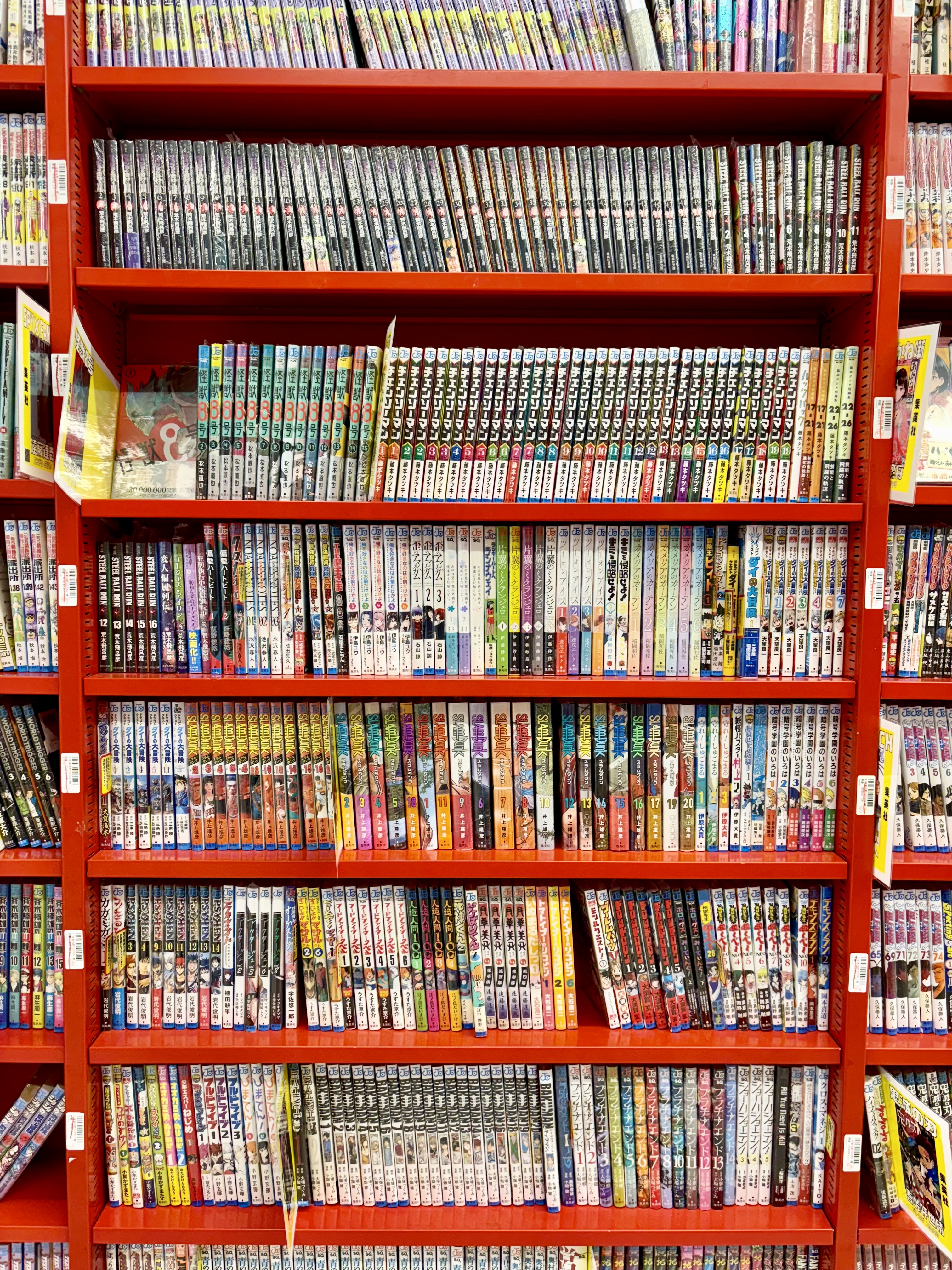

Upon leaving Canal City one night, we walked down Nakasu Yatai Street, which is filled with food stalls. I can’t pretend there was a lot of vegetarian food on the menus, but it was a lovely area to take photos in and you can always grab a drink if you want to extend the experience.
We didn’t stay for long, but honestly, these photos ended up being some of my favorites from our entire trip!


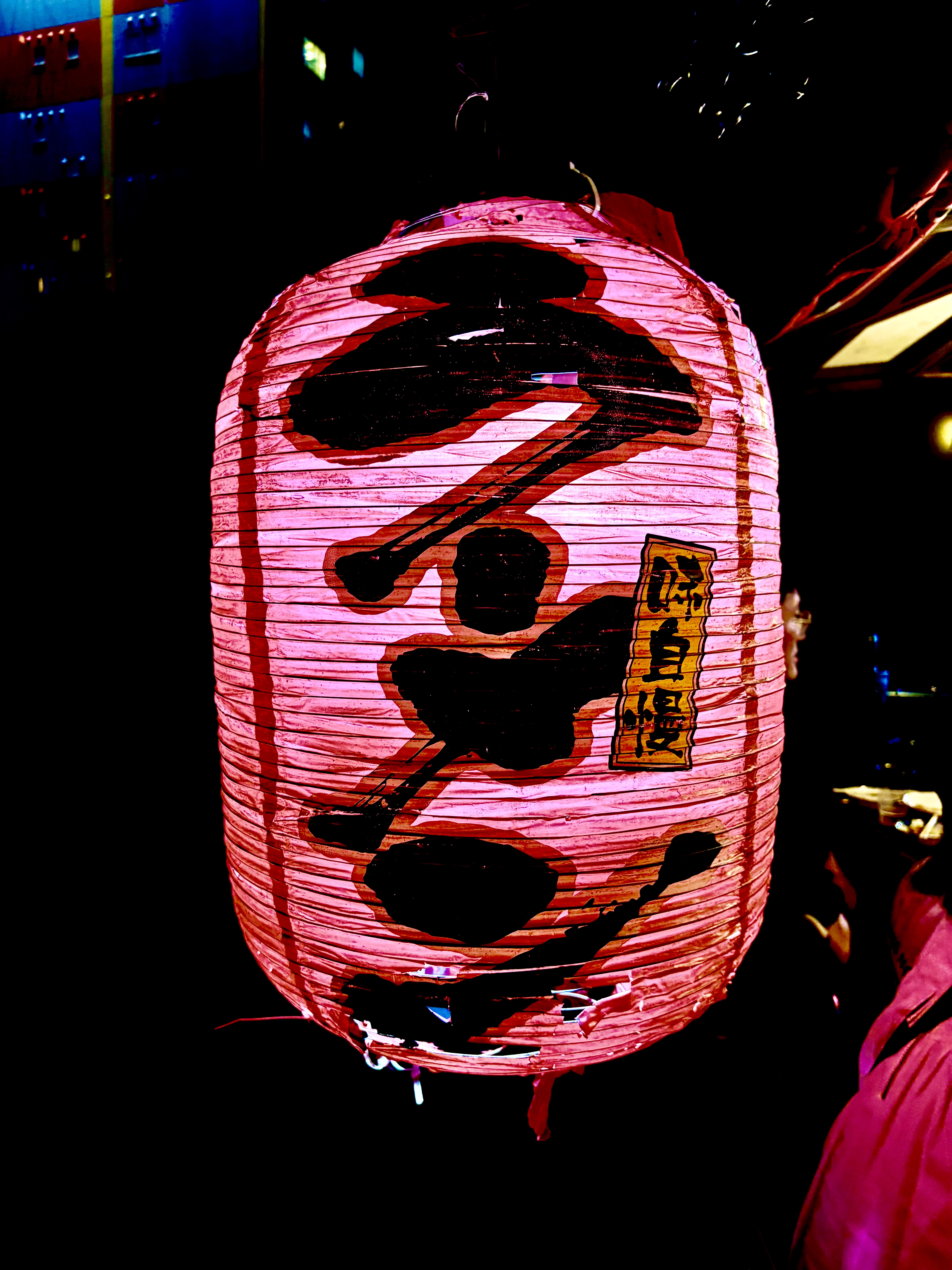
We did, however, find two restaurants to absolutely adore in Fukuoka! We went to Tomoyasu Cafe and Burgers repeatedly because it was just so nice to have veggie burgers and smoothie bowls – neither of which we can get in Dakar unless we make them ourselves. While not a vegan cafe, they had an entire vegan menu with plenty to choose from.
But the real star of the show was Vegan Ramen Yadokari (also known as Mondo Hirao). It had only opened a month prior (and was still in its soft opening stage), but we were absolutely blown away. We almost didn’t go because while we had liked the ramen in Tokyo, it didn’t feel like a must-have meal for us. But after visiting the Pokémon Center, we knew it would be wrong to leave Fukuoka without trying the hakata ramen.
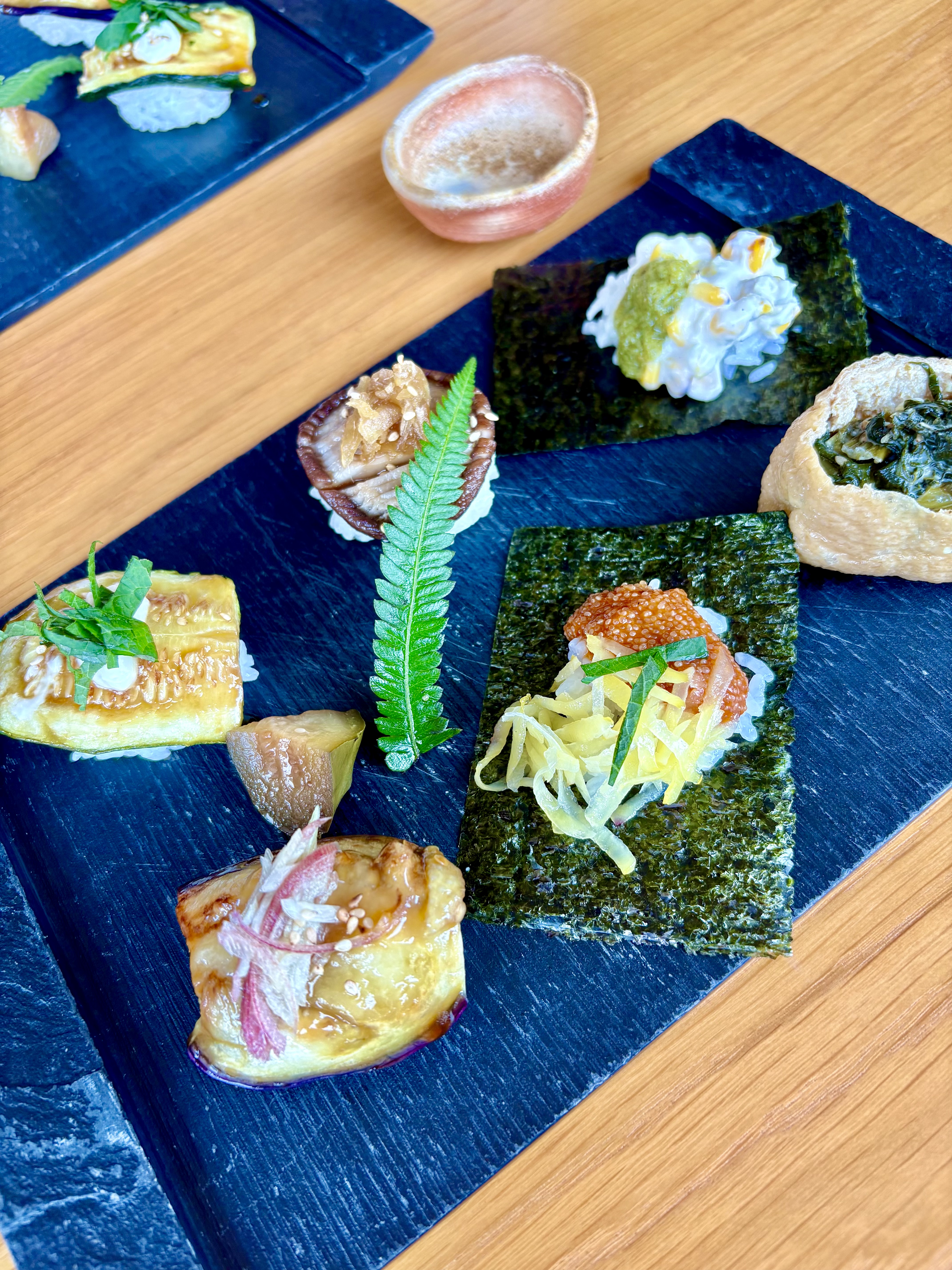
We nearly couldn’t find Vegan Ramen Yadokari, it’s fairly unlabeled – from the street view and the door itself, but it was definitely worth the search. The first time we went, Chandler and I both ordered the set menu. It included some mind-blowing vegan sushi, creamy hakata ramen (with no dairy!), and an insane dessert.
When we went back a second time, Chandler went for the spicy ramen and I ordered everything else on the menu à la cart. Both times we chatted with the owner via Google chat: His family just moved to Fukuoka so his daughters could go to school, everything on the menu is made with fresh ingredients from his nearby farm, he knows it’s weird to create vegan food in Japan but he loves experimenting with new flavors and ingredients.
He also stocks the hands-down best vegan sake we had in Japan – he’s also the one who taught us how to drink it. We used the world’s tiniest shot glasses (mine is pictured between the sushi plates), and every few bites he would refill it. Four or five shots later we were all talking animatedly – it’s probably for the best we were the only customers at the time.
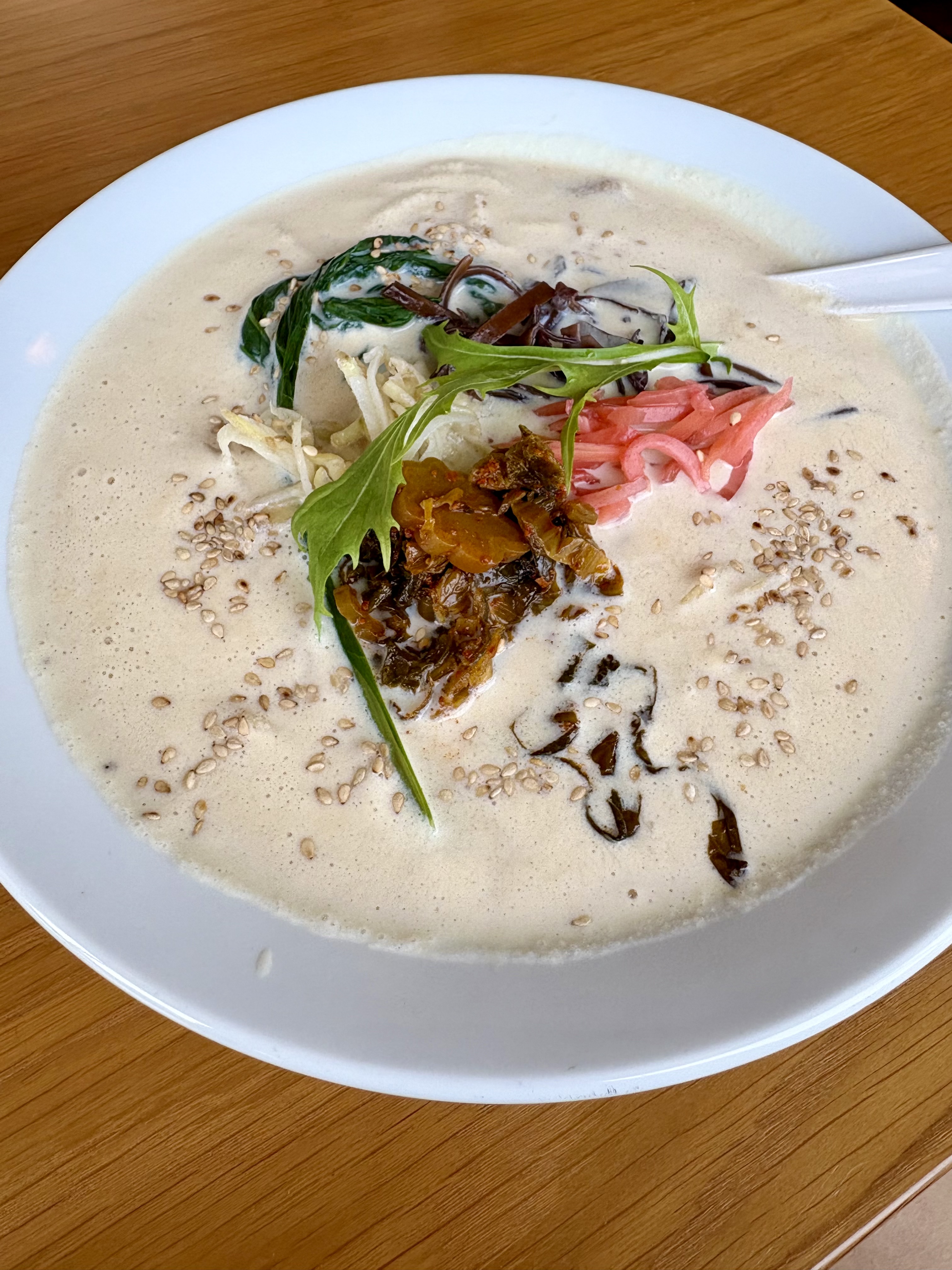
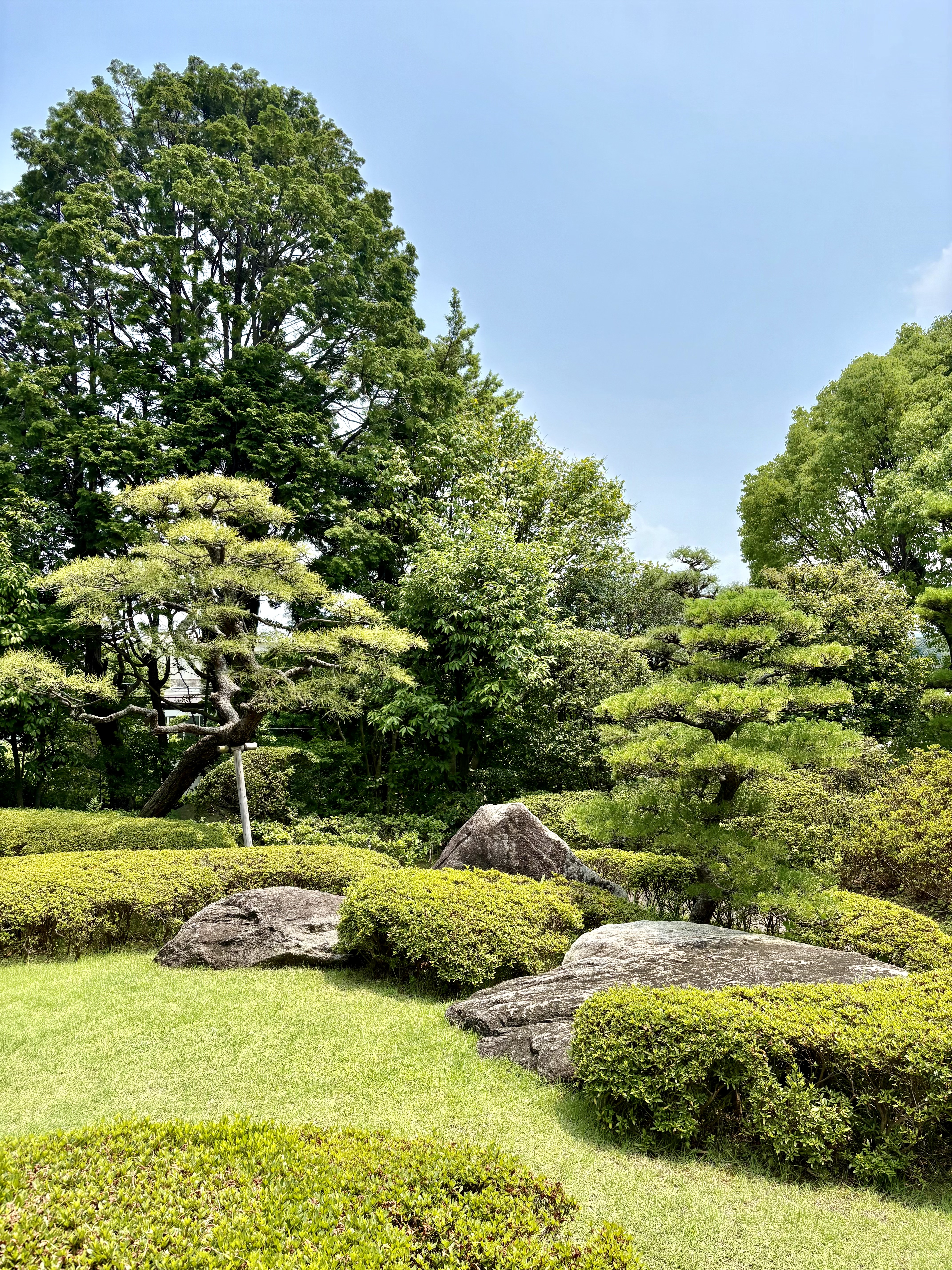
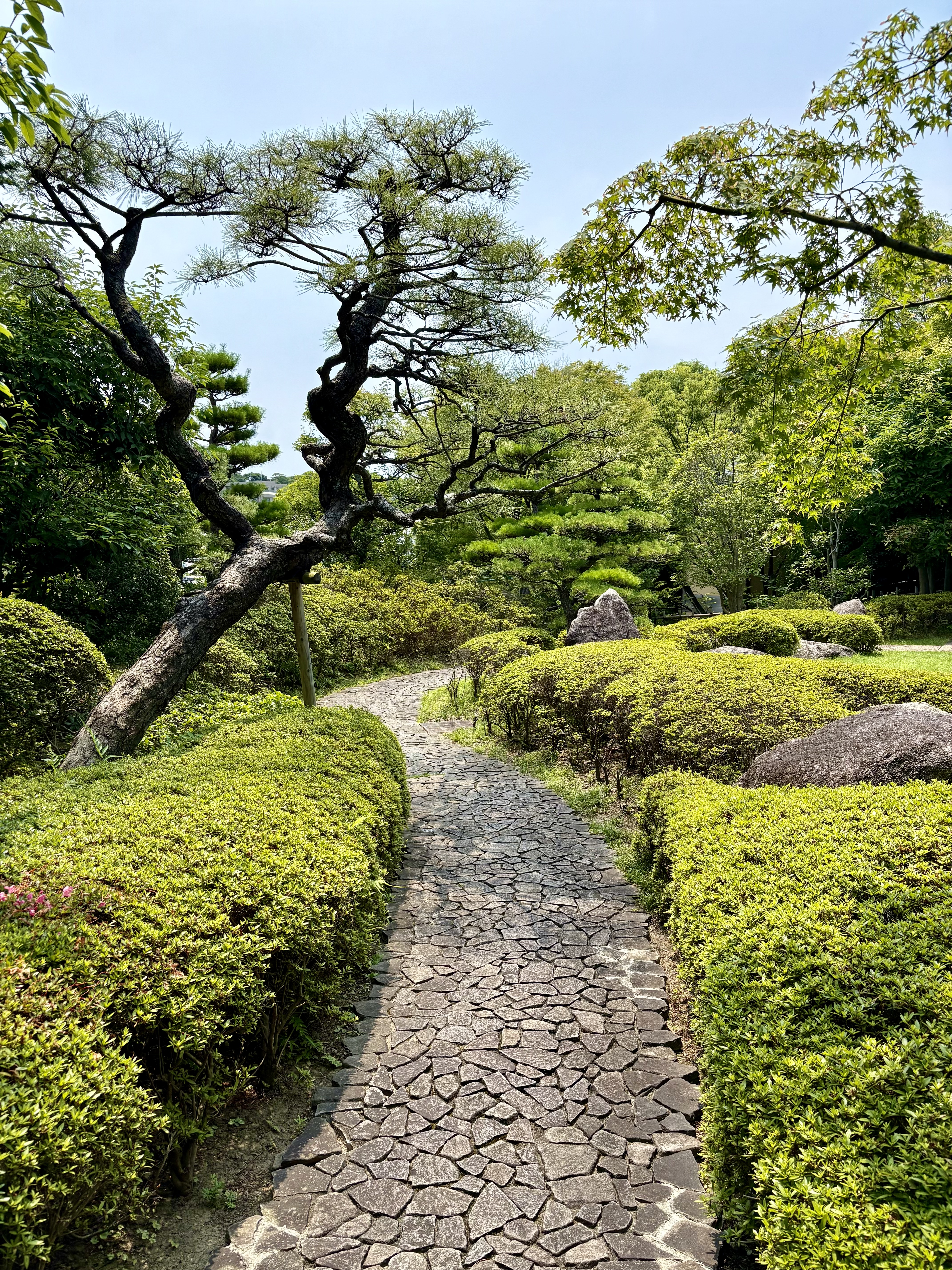
Before we left, he told us to stay in the neighborhood if we had some free time. There’s a vegan dessert shop nearby (which we were too stuffed to visit). But he also recommended Shofuen Park, the neighborhood park. He said he goes multiple times a week just to sit and meditate. We decided to stop by and after paying a nominal entrance fee, we entered an enchanted world.
Inside, a couple was taking traditional wedding photos and we just walked the grounds, staying out of their way. We found a shaded bench and sat – relaxing and reflecting on why Japan had felt perfect ever since we had arrived.
We eventually ordered a taxi (through the glorious app Go), but on our way out, they showed us their tea ceremony room and offered to make tea – our only regret in Fukuoka was that we really did have somewhere to be, so we had to thank them and leave. But that hospitality would follow us throughout our time in Japan.

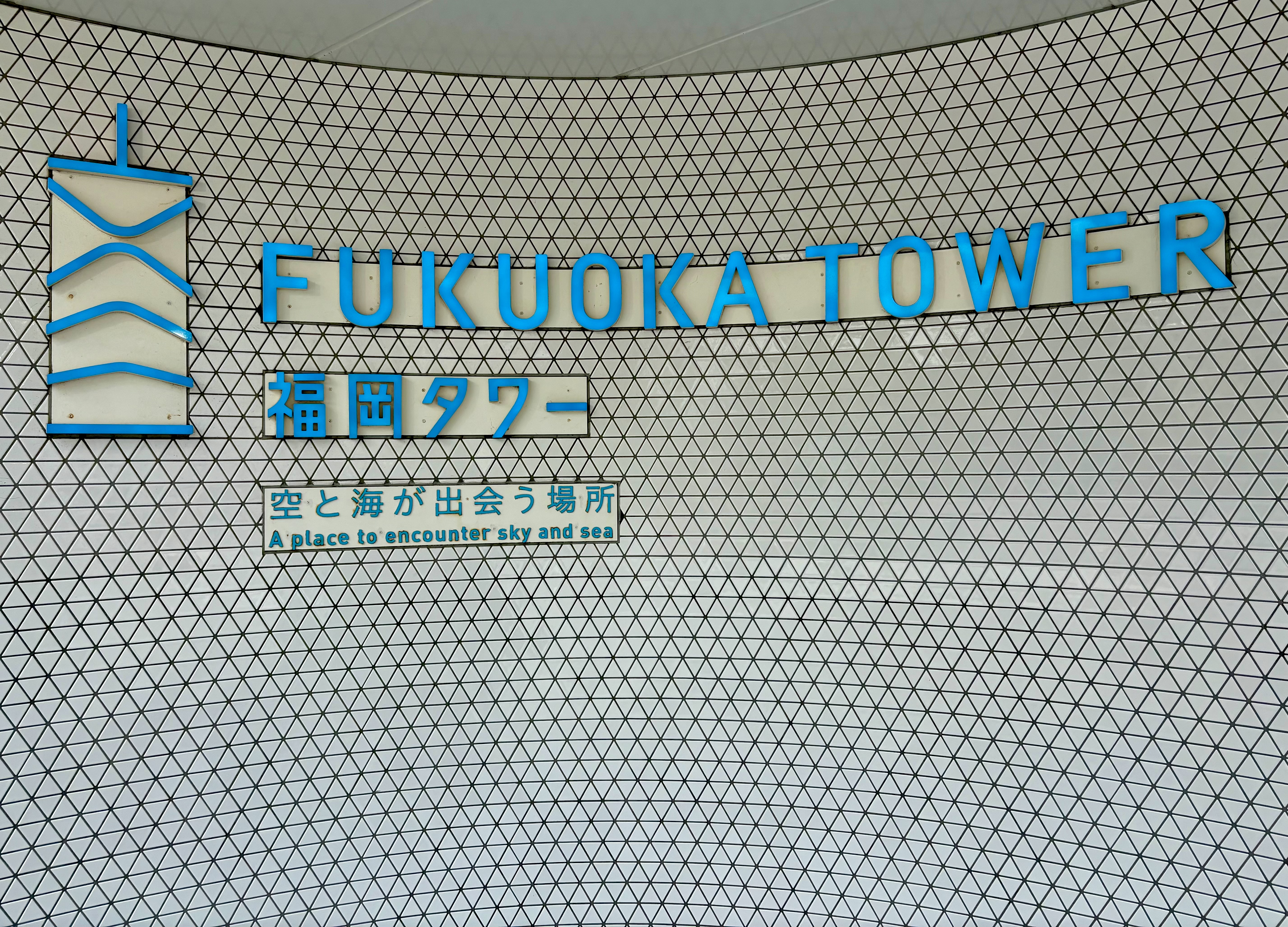
Another unexpected find for us was Fukuoka Tower. The tower, itself, we knew about, but we hadn’t anticipated having such a great time visiting it! They had visuals of all of the tallest towers in Japan (Fukuoka’s is the third tallest! Only Tokyo Skytree and Tokyo Tower are taller).
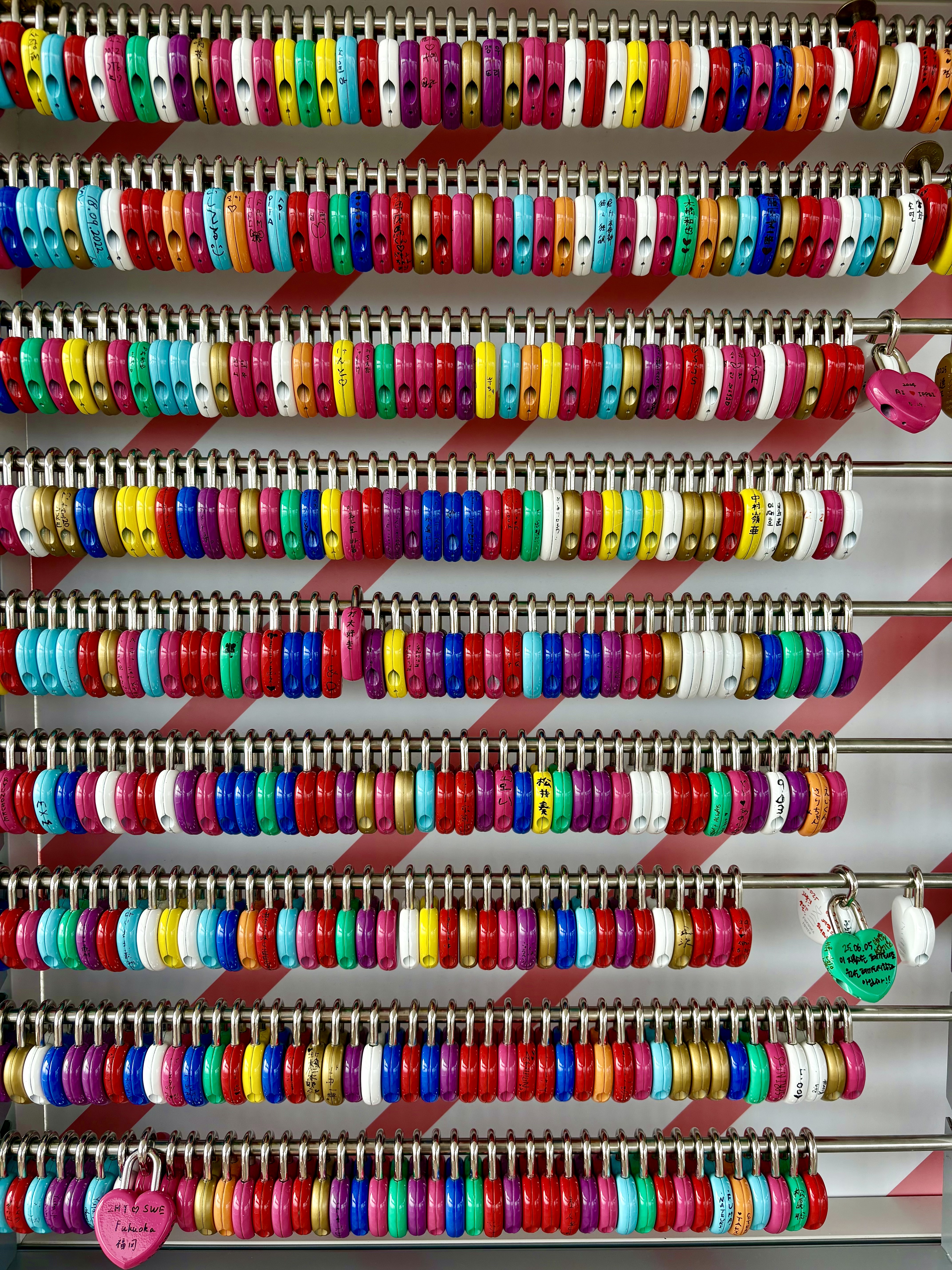
There was also an area where you could buy a lock in the shape of a heart – apparently the tower is considered a romantic spot for young love and it’s good luck to declare your love at the top of the tower. There was another spot where you could play gashapan with items made specially for Fukuoka Tower. My favorite moment was drawing Hakatakko fortunes. Just like at Sensō-ji, Chandler pulled more bad luck, but this time, my luck had shifted from going to improve soon to “Best Luck.”

And let’s not forget the views! Fukuoka had felt so provincial compared to Tokyo, so it was easy to forget that the city has a population of 1.6 million (compared to Tokyo’s 9.7 million!).
However, it was insane when looking at the city from up in the tower. Views of the river, the city, and the bay (we hadn’t realized how close we would be!). The panoramic view showed off all of Fukuoka’s best features.

We still had a bit of time left (or so we thought), so we wandered down to the waterfront. There was a man-made beach, tons of small shops and cafes, and – if even possible in Fukuoka – an even more chill vibe! Fukuoka was quickly become my favorite city out of the big city (only Sapporo would come close to dethroning it).

After that, we made our way to Ohori Park. We hadn’t paid as close attention to the time as we probably should have, so we arrived at their Japanese Garden right after it closed. This would have been upsetting, but we had loved everything about our day and it was quickly becoming clear that this would not be our only visit to Japan – or to Fukuoka.
Instead, we strolled through the rest of the park, which was absolutely lovely. The park surrounds a pond that actually used to be part of the outer moat of Fukuoka Castle, so it dates back to the early 1600s. The area was converted into a public park in the 1920s and 1930s.
There are three small islands in the center of the pond and they’re all linked together by a series of charming pedestrian bridges. We walked through the park until the sun began to set.
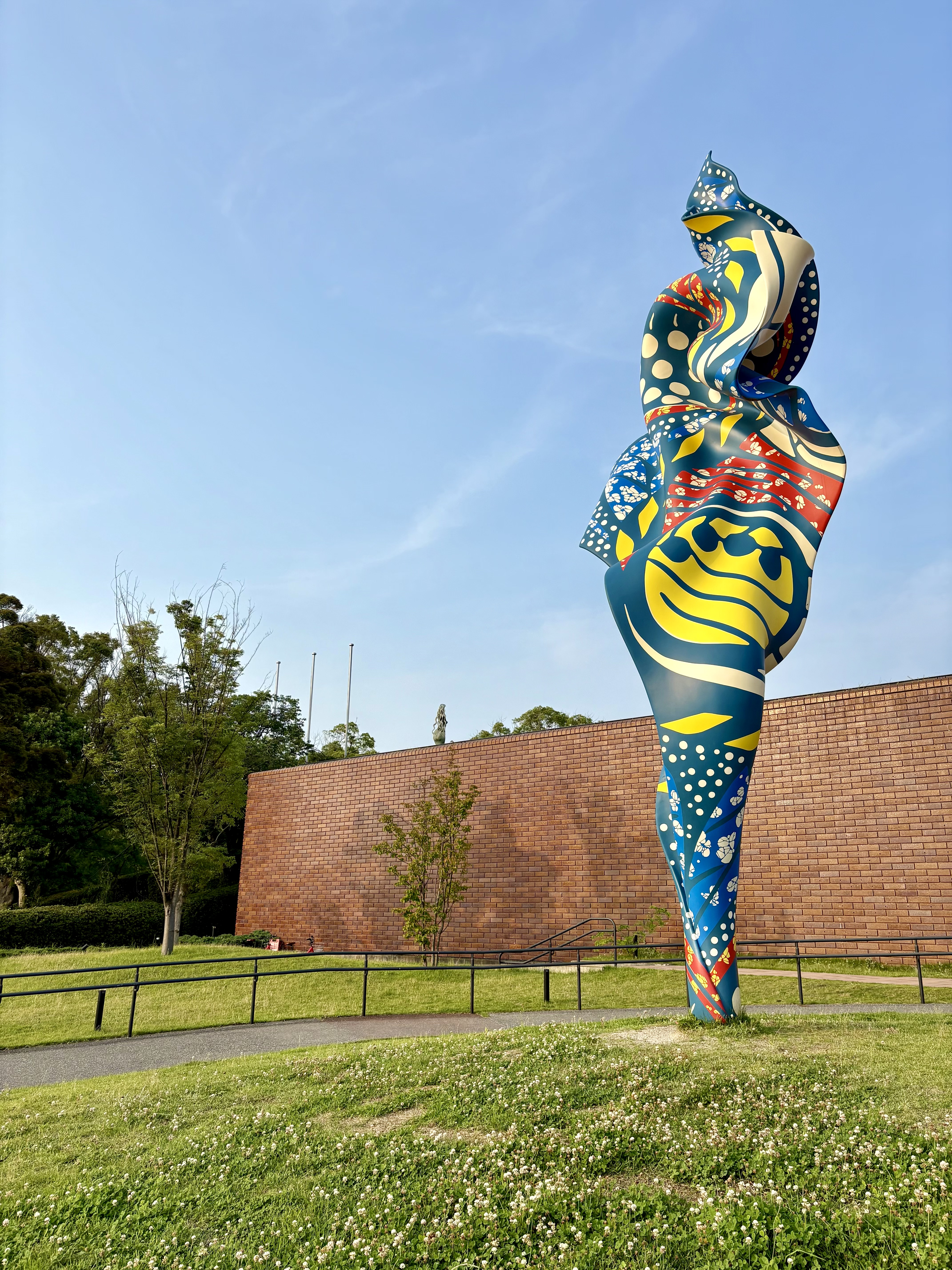
Another thing we missed in Fukuoka was the Hello Kitty Exhibit at Fukuoka Art Museum. We hadn’t prioritized a lot of museums on this trip, but we would have if we had known one of them would sound like so much fun! Instead, we got to see the 2021 Wind Sculpture that British-Nigerian artist Yinka Shonibare CBE made with the West African fabric designs that we love so much.

It was wonderful how much we got to see during our time in Fukuoka. But it was equally nice to expand our list of things we’d love to return for!
 Abroad With Ashley