
We spent three days in Cusco and we loved every second. This city is one of the reasons why we decided to go to Peru this summer, as opposed to a later date. Cusco is considered the gateway to Machu Picchu, but at 3,400 meters, it is over 1,000 meters higher than Machu Picchu. Many people visiting Cusco experience altitude sickness, but Chandler and I had just spent the last six weeks at various altitudes throughout the American Southwest and we were able to adjust with no problems.
This is ideal, since we didn’t have a lot of time in Peru and visitors are typically counseled to take it easy the first few days. Instead, we decided to jump right in.
My favorite things about Cusco? The food and the shopping. My last post covered the food scene in Peru, but Cusco probably makes it in my top five shopping destinations around the world. Simply put – it’s so much fun! There’s everything from traditional textiles to alpaca clothing to artisanal jewelry to pottery and ceramics to Andean musical instruments to handcrafted souvenirs.
The textiles, ceramics, and chocolate made the top of my list. And if I’m being honest, there are plenty of items that are fakes or mass-produced, but it’s still easy to find gems at some of the markets and artisan stores.


Truthfully, I did too much shopping to keep track of which markets and shops we went into, but one of my favorite purchases was the hanging textile photographed above. And really, half the fun is wandering in and out of markets throughout the city.
We also loved our time in Plaza de Armas, Cusco’s main square. It’s no wonder the area is a UNESCO World Heritage Site – it’s recognized for its unique blend of Inca and Spanish influences. Cusco is often referred to as the “Archaeological Capital of the Americas” because it was the heart of the Inca Empire and is still home to many well-preserved sites.
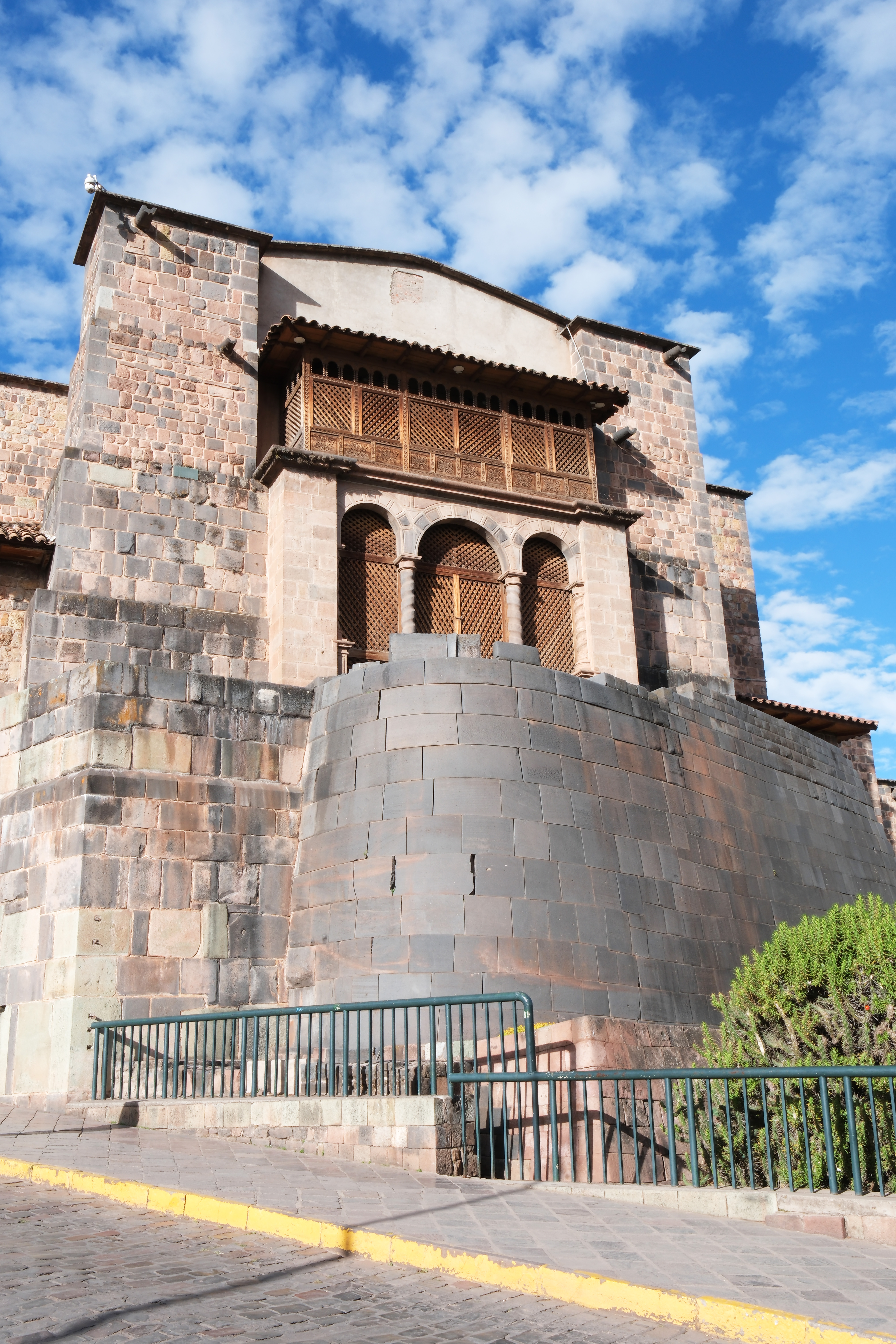
The architecture throughout the city is stunning, including the Church and Convent of Santo Domingo, which was built on top of the Inca Temple of the Sun (Qorikancha). In fact, the Inca stonework is still visible today.
But we didn’t spend all of our time in Cusco; we also made our way to three sites in the Sacred Valley as well. This was accomplished via a tour guide hired by our hotel. Usually, we take ourselves around when we can, but booking a guide to these three locations seemed like our easiest option. And our hotel, Casa Andina, had the right connections, because our guide, Lily, was incredible.
Our first stop was Chinchero, a small Andean town known for its vibrant culture, traditional weaving, and stunning views. It’s also known as the “birthplace of the rainbow.” This stop wasn’t on our original list, but I’m so glad we didn’t cut it from the tour.
Chinchero is home to an Inca archaeological site with agricultural terraces and the remains of an Inca palace.
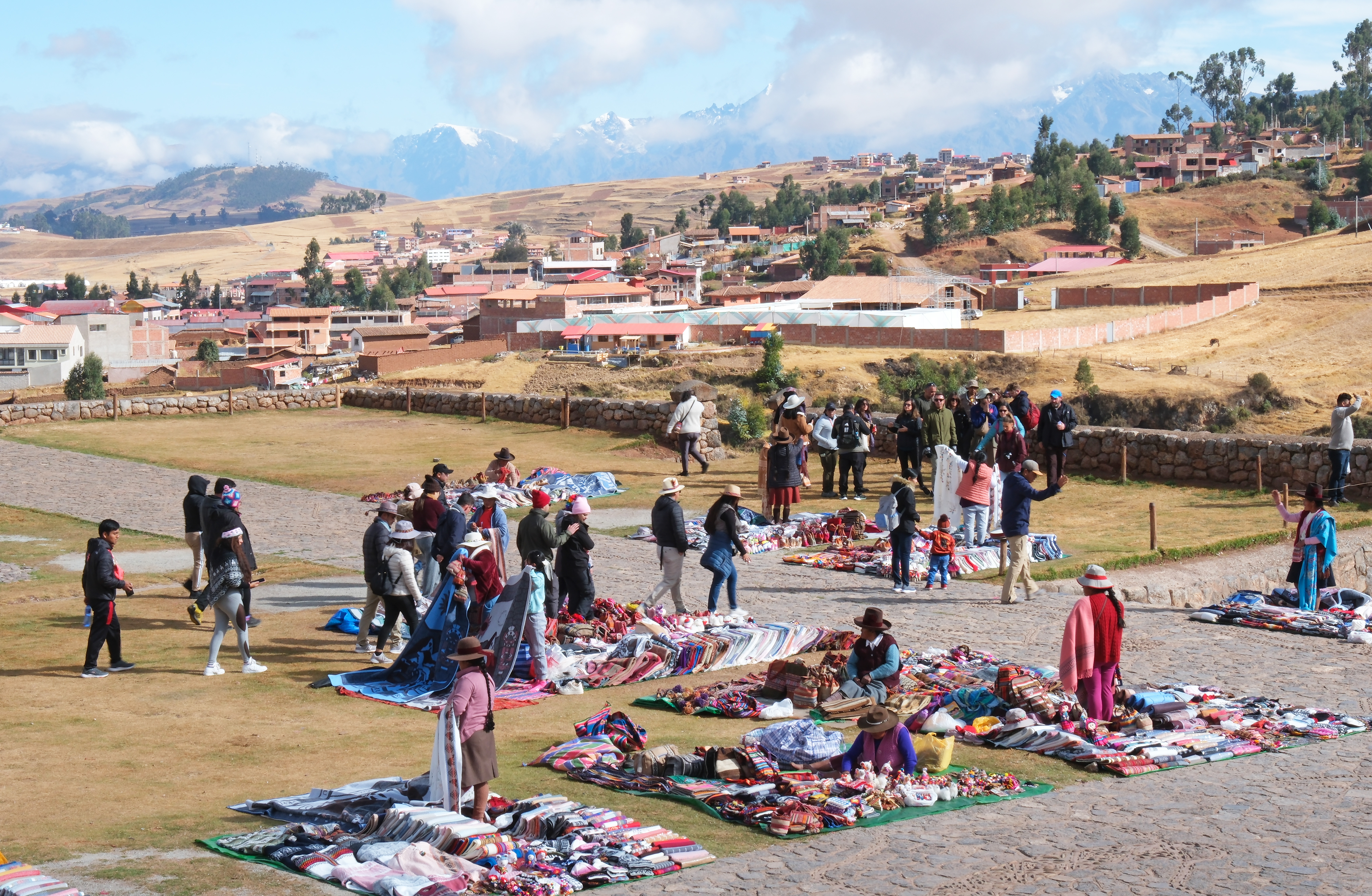
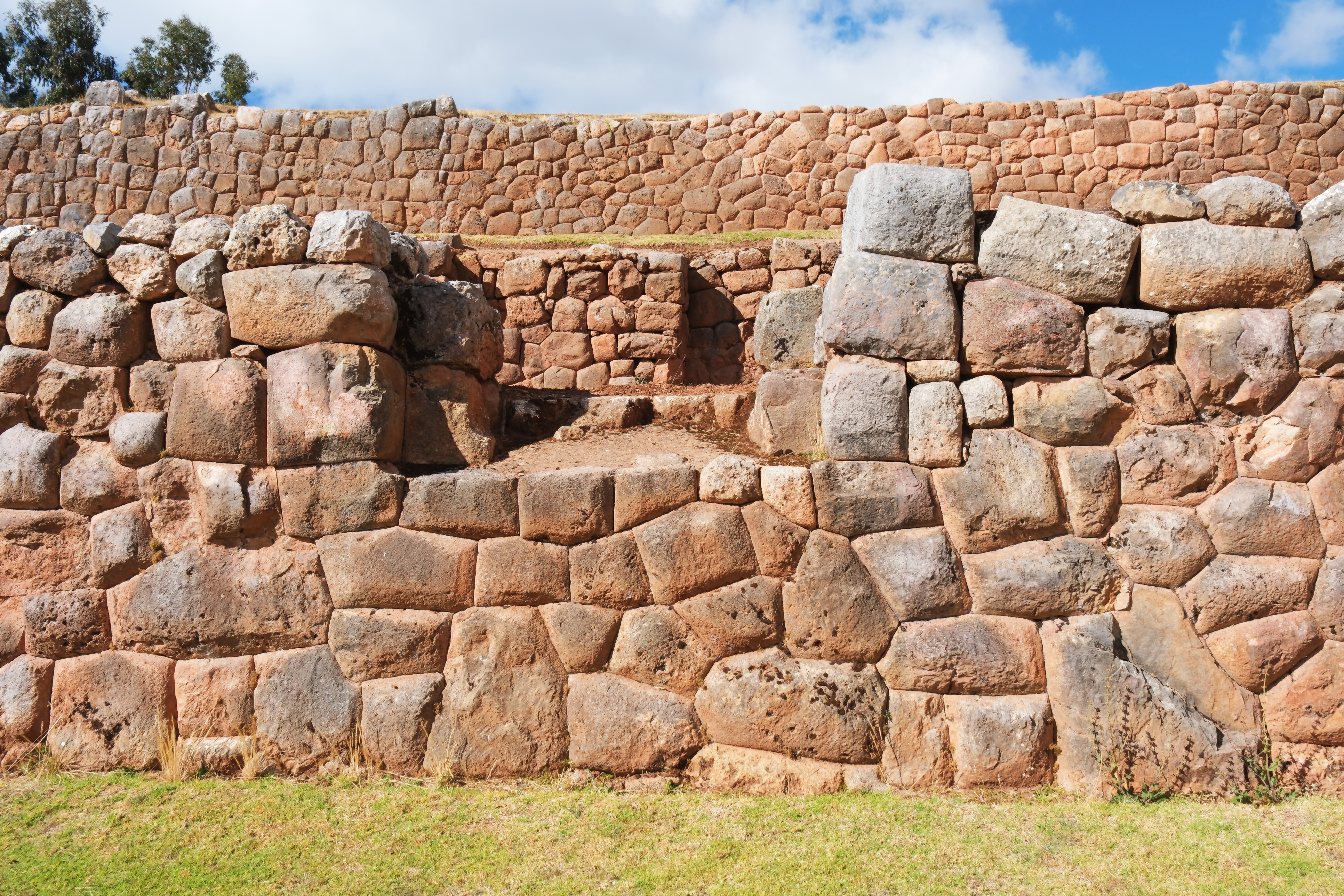
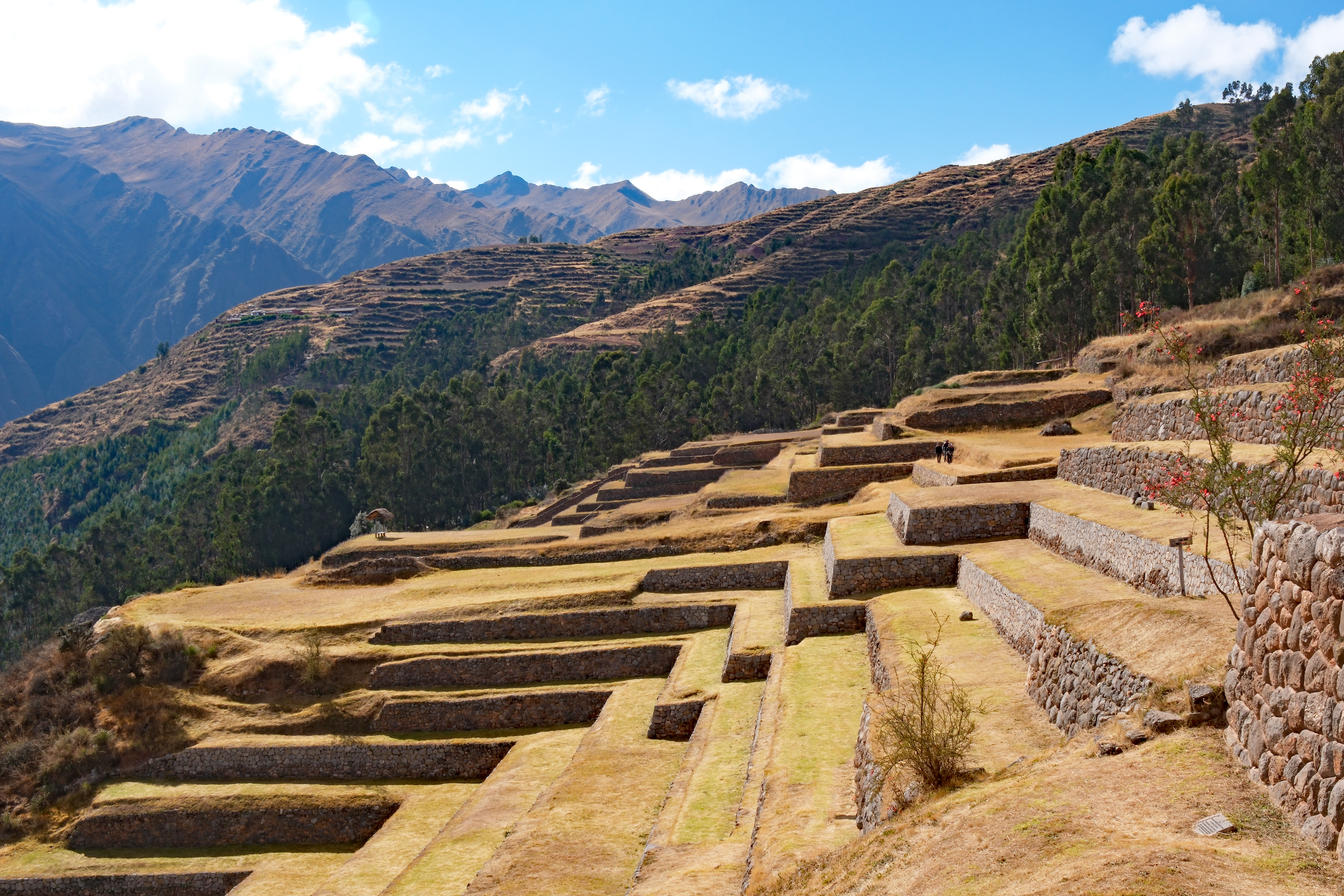
And, of course, a lot of the area is used to sell tourists (mostly) mass-produced items. But I hadn’t anticipated how damn pretty the site would be! After visiting the church, we wandered down to see how locals store their potatoes. Before arriving in Peru, I didn’t know we had Peruvians to thank for potatoes! The variety was absolutely incredible.
We got to experience chuño production, which is freeze-drying potatoes. They freeze the potatoes at night in the cold mountain air and then dry them in the sun during the day. This process dehydrates the potatoes, allowing them to be stored for years!
Next up, we drove a short ways to Munay Away, a local textile workshop. These shops are nice to visit because you know that the materials are hand made with local materials, unlike what is often sold on the street.

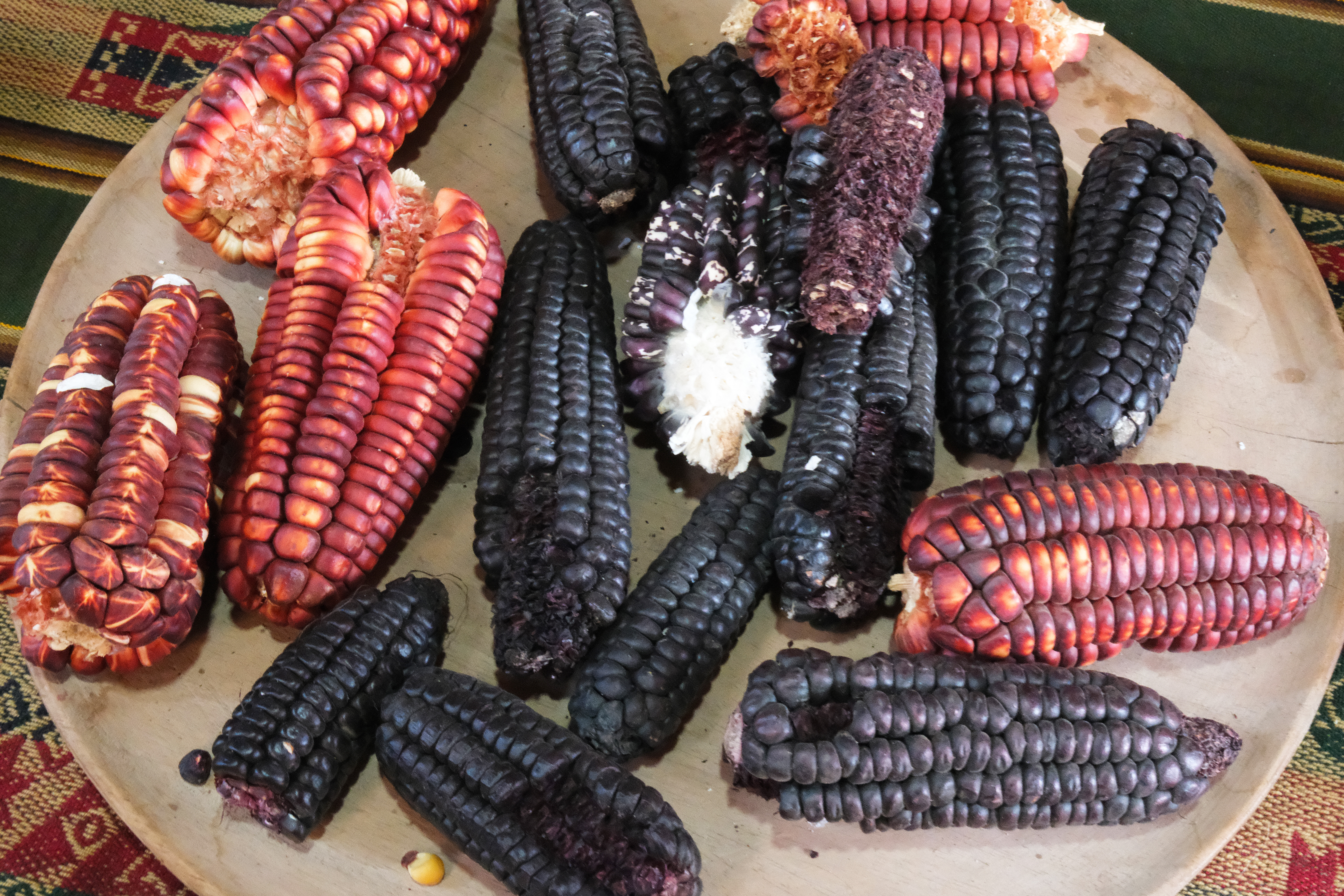
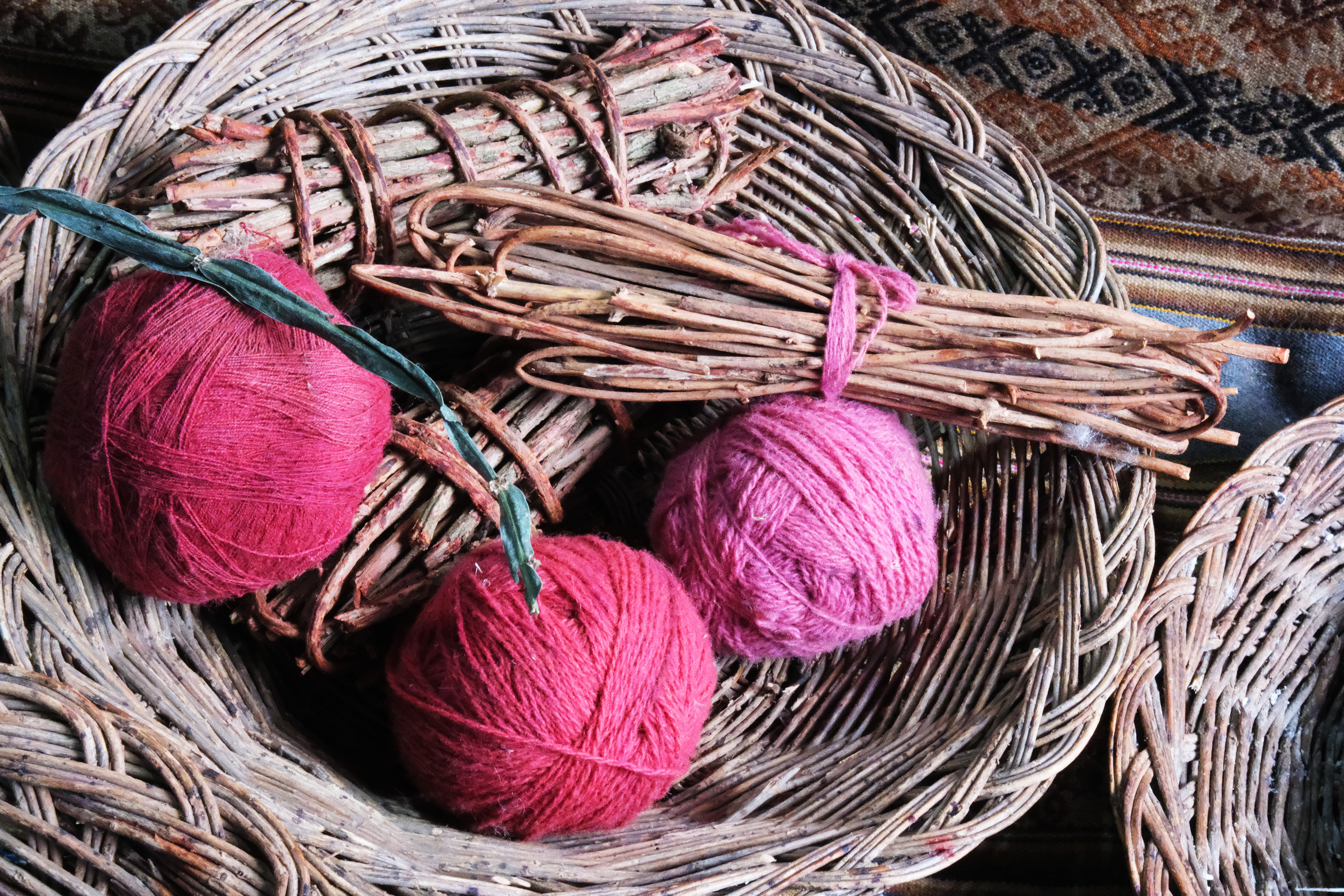
It was fascinating to see how the natural dyes are made and how complicated the loom is. We even got to watch someone weaving the table runner photographed above.
The downside is that after they give you an explanation of the process, there’s a lot of pressure to purchase something. Chandler and I tried to make it into a joke, letting them know that we’d be moving to the beach in a few weeks and really didn’t need the warmth an alpaca poncho/blanket/hat would bring. Instead, we were happy to leave a small tip for the experience.
After that, we were off to what I was most looking forward to: the Maras Salt Mines.
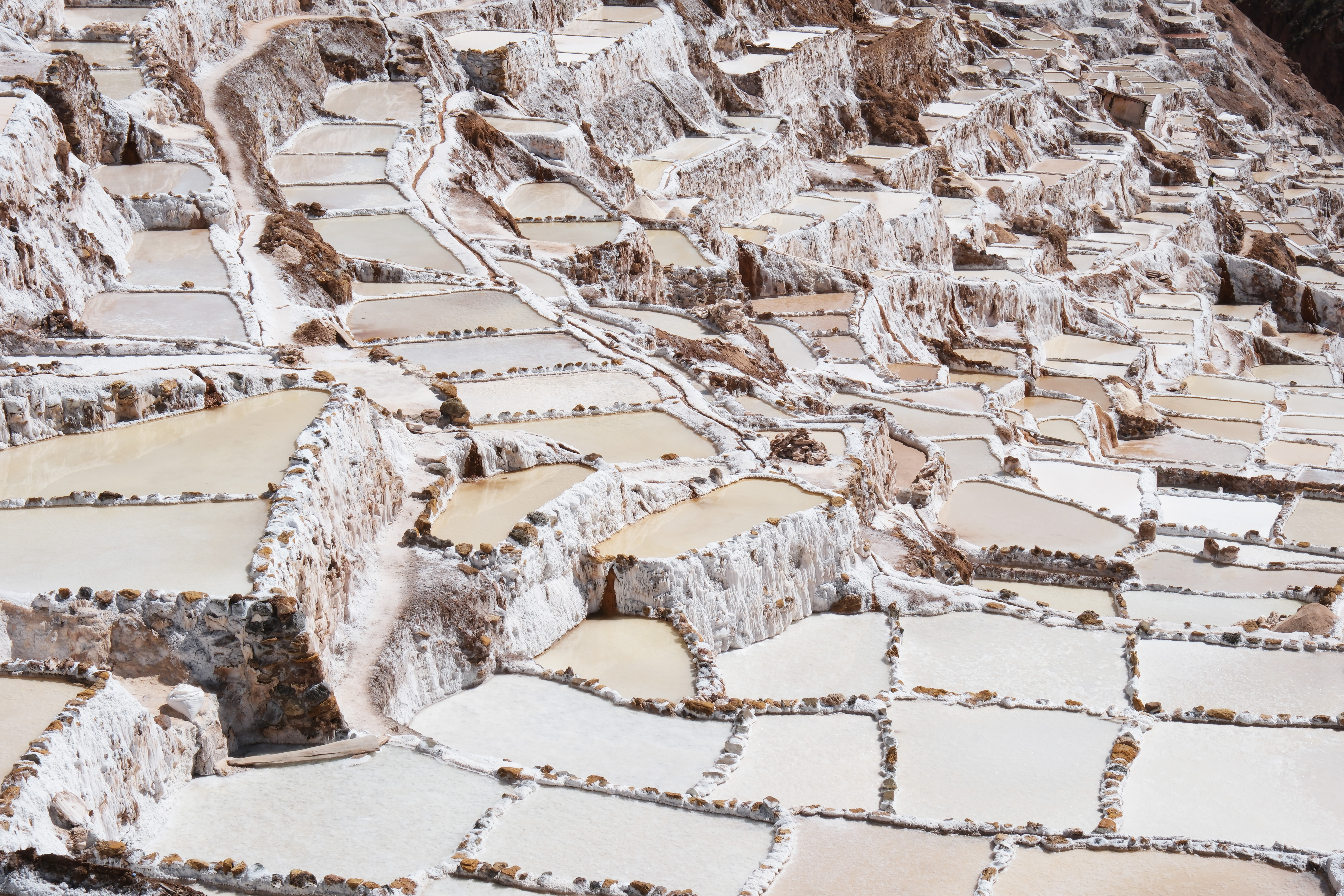
These are a stunning network of over 4,000 salt evaporation ponds, some of which date back to pre-Inca times. Families from the area have harvested salt here for generations. The saltwater flows from a natural spring and evaporates in the sun, leaving behind layers of pure salt.
Up until recently, locals were considering abandoning the ponds because the price of salt is so low that farmers couldn’t afford to continue the process. However, the salt mines are so photogenic, with their gleaming white ponds set against the dramatic Andean backdrop, that there’s been a huge surge in tourism. The town of Maras now charges a small fee to explore the site, preserving this centuries-old tradition.
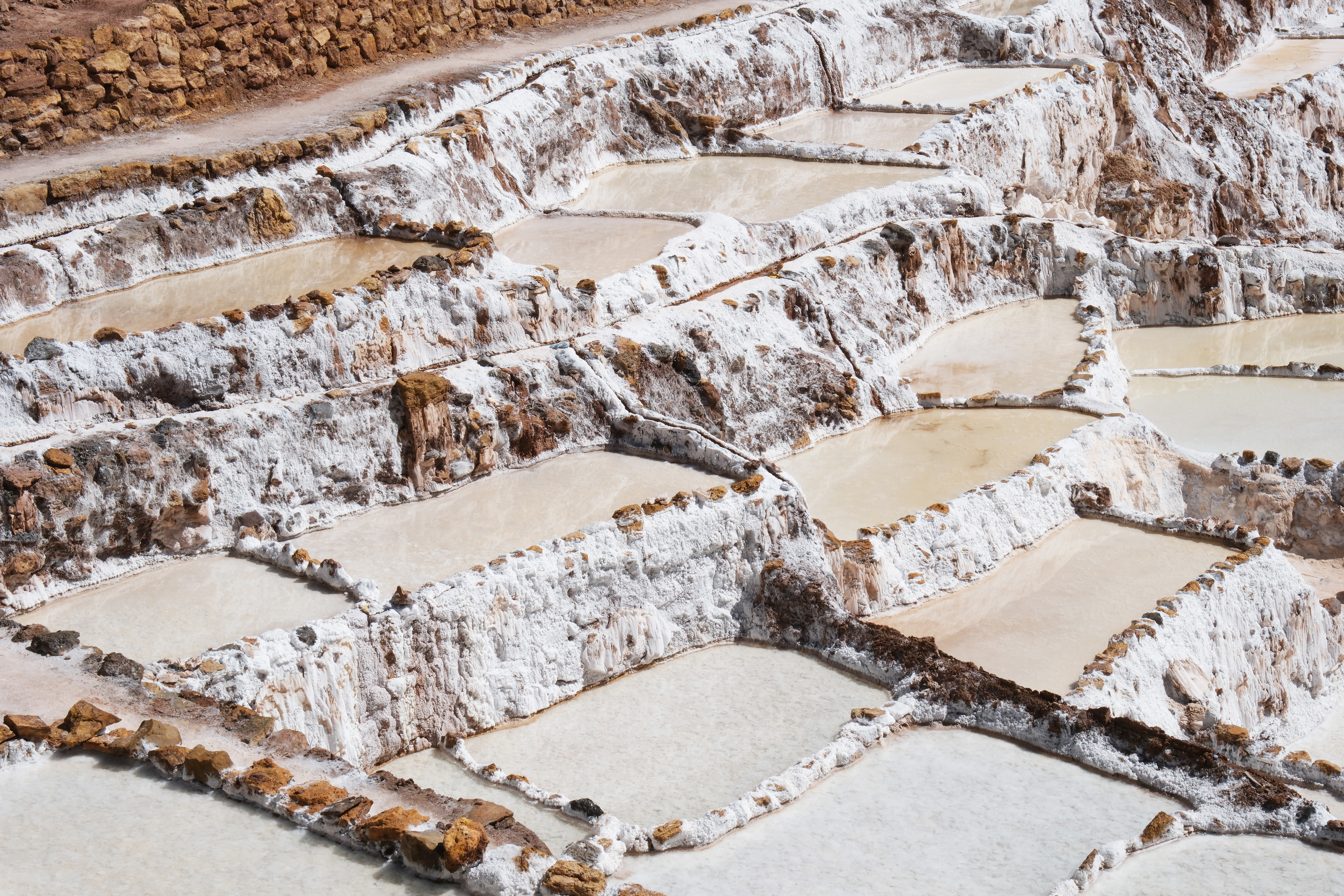
You can also buy the salt directly at the site. There are a number of grades to choose from. There’s industrial salt that isn’t edible, but can instead be used for livestock feed and foot soaks. Then there’s cooking salt, which is slightly coarse. The top grade is Flor de Sal (Flower of Salt), which is found on the top layer. It’s prized for its fine texture and delicate flavor and is often used in gourmet cooking.
This ended up being a surprise shopping spot because I bought a scented foot soak, a smokey cooking salt, and Flor de Sal (all fantastic!).
What was not a surprise was the sheer number of photos I took here (I’m not lying when I say the amount of data it took up on my camera rivaled Machu Picchu!). I found it absolutely stunning and worth every penny of the entrance fee.

Our final stop was Moray. Moray is an archaeological site featuring circular terraces that descend in a series of concentric rings, resembling a natural amphitheater. It is believed that the Incas used these terraces as an agricultural laboratory, experimenting with crop cultivation at different altitudes and microclimates.
The temperature difference between the top and bottom of the terraces can reach up to 27° F (15° C). You can walk down the terraces, but since this was our third stop of the day, the temperature was heating up – and we didn’t want to experience the added heat that the bottom would bring! But it was incredible to look at and imagine it filled with different crops.

During our drive back, Lily explained to us that certain houses put out different markers to let you know what wares were for sale. For instance, a red bag means you can purchase a fermented corn drink, a blue bag means food, and a basket lets you know it’s a bakery.
This brought back memories from Ethiopia, where they would put an upside down cup on a stick to let you know they had tej, an alcoholic honey drink, that could be absolutely lovely or put you under a table since you never knew the percentage of alcohol in each batch.
Lily also pointed out the hairless street dogs that are native to Peru. The Spanish considered them the devil’s dogs and would burn them alive. They were nearly wiped out, but today, locals are trying to bring them back.
My favorite fact was that the Incas worshiped rainbows as children of the sun. It’s why Cusco adopted the rainbow as their flag (at first, we’d just thought they had the most LGBTQIA+ pride we’d ever seen!).
Back in Cusco, we went to a couple of museums. They were too horrible to mention, so I won’t! But they didn’t cost us any extra. In order to get into Chinchero and Moray we had purchased a seven-day ticket that included a total of 16 sites. We had considered going to Saqsaywaman, an Inca fortress overlooking Cusco, that night or the following day, but it didn’t end up happening.
My neck and upper back were incredibly stiff from traveling with a backpack (something I never do, but it’s been so convenient ever since I purchased my new camera!). So I ended up getting a massage at the hotel and I can absolutely say it was the right call for me. There’s always going to be something you miss, no matter how hard you try to see everything. It felt wonderful prioritizing myself on this trip!
And honestly, if you ask me if I’d ever return to Cusco, my answer would be a resounding yes! So maybe it’s for the best that we left some things to do there, including visiting the nearby town of Pisac and spending more time in Ollantaytambo.
Next up: Machu Picchu!
 Abroad With Ashley
Love all the bright market wares…you’d have to drag me away 😍😆
Chandler did 😂 Our suitcases were stuffed full by the end of the week!
Amazing travel photography and writing! Going in March to Peru. Looking so forward to it. 🙂
Thanks! And I’m sure you’ll love it – Peru was so much more incredible than we could have anticipated.
Yes it’s definitely a magical country!