
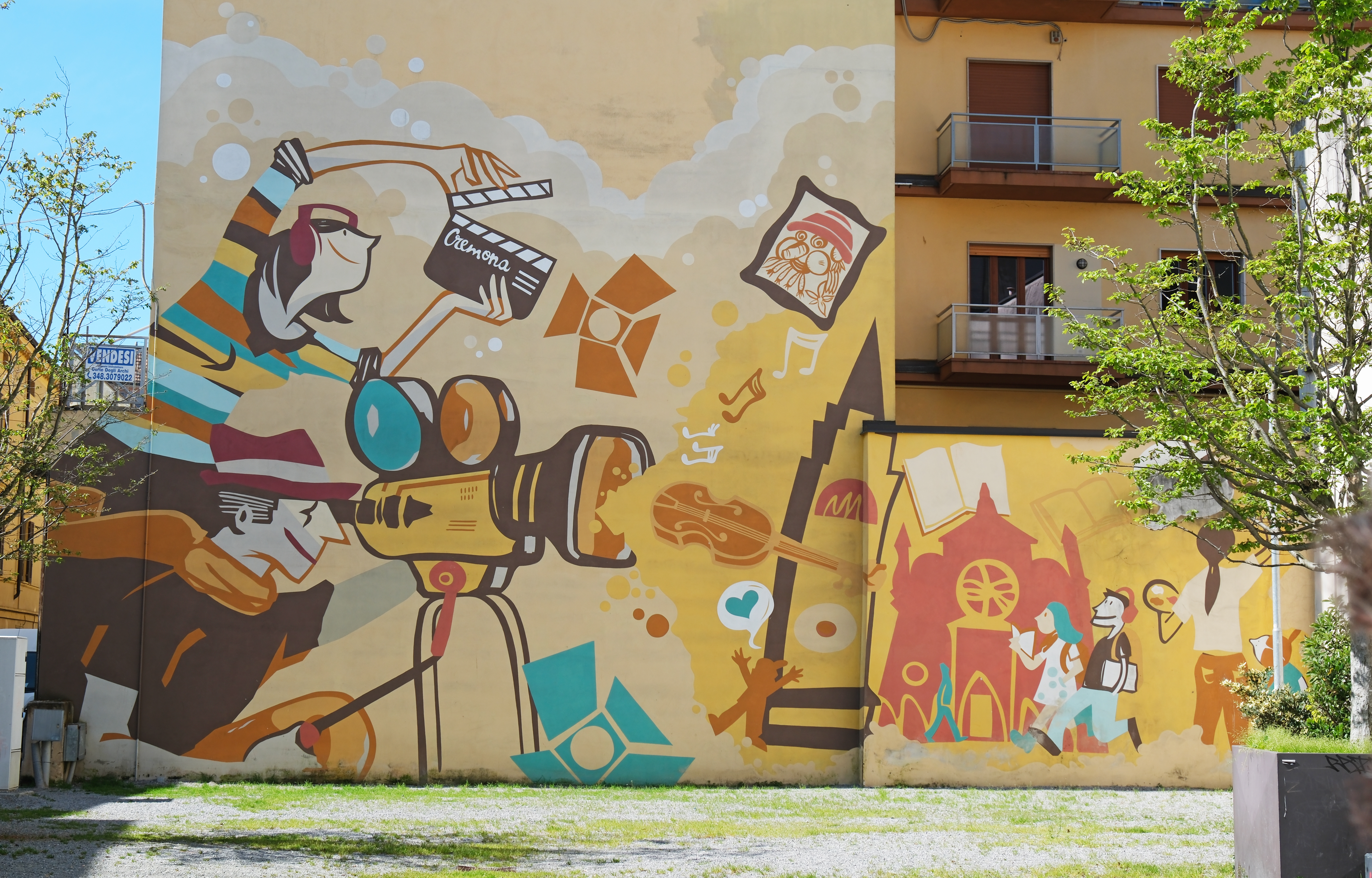
As much as we loved Milan, we did pop out of the city for a couple of day trips. Before arriving in Italy we already had plans to visit Cremona and Como, but Parma was a surprise.
We’d stumbled upon Cremona a few months prior while rewatching all of the Studio Ghibli films in anticipation of our summer in Japan (and our visits to the Ghibli Museum and Ghibli Park). One of our favorite movies is Whisper of the Heart. It’s about a girl discovering her creative voice through writing (often about a mysterious cat figurine called the Baron) and a boy who is determined to be a violin maker.
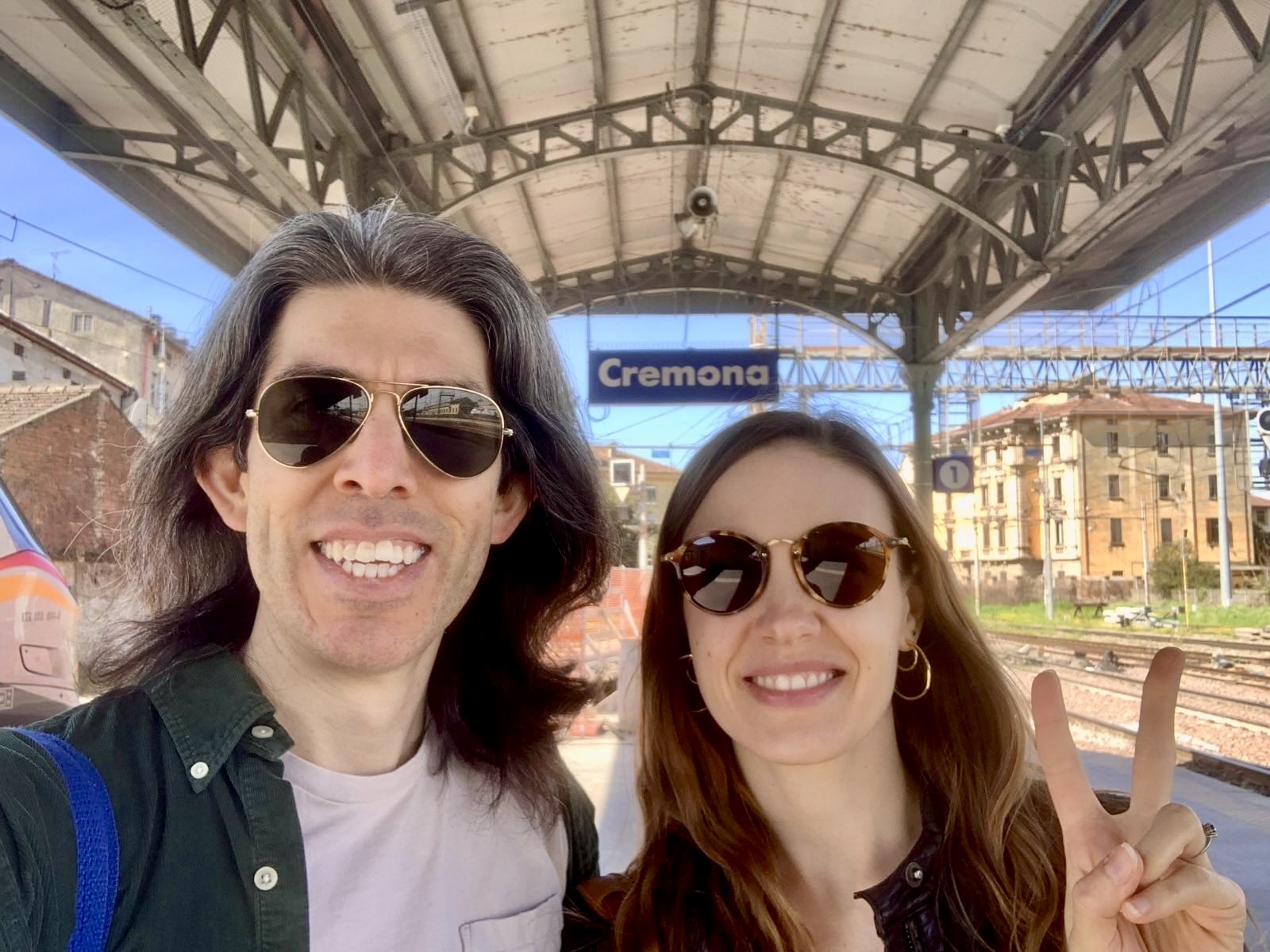
It doesn’t seem like the kind of story that would have any connection to Italy – until the character announces that he’s leaving Tokyo to study in Cremona. As it turns out, this small city in northern Italy is where legendary luthiers like Antonio Stradivari and Guarneri del Gesù lived and worked, and it’s still known today for its tradition of handmade string instruments.
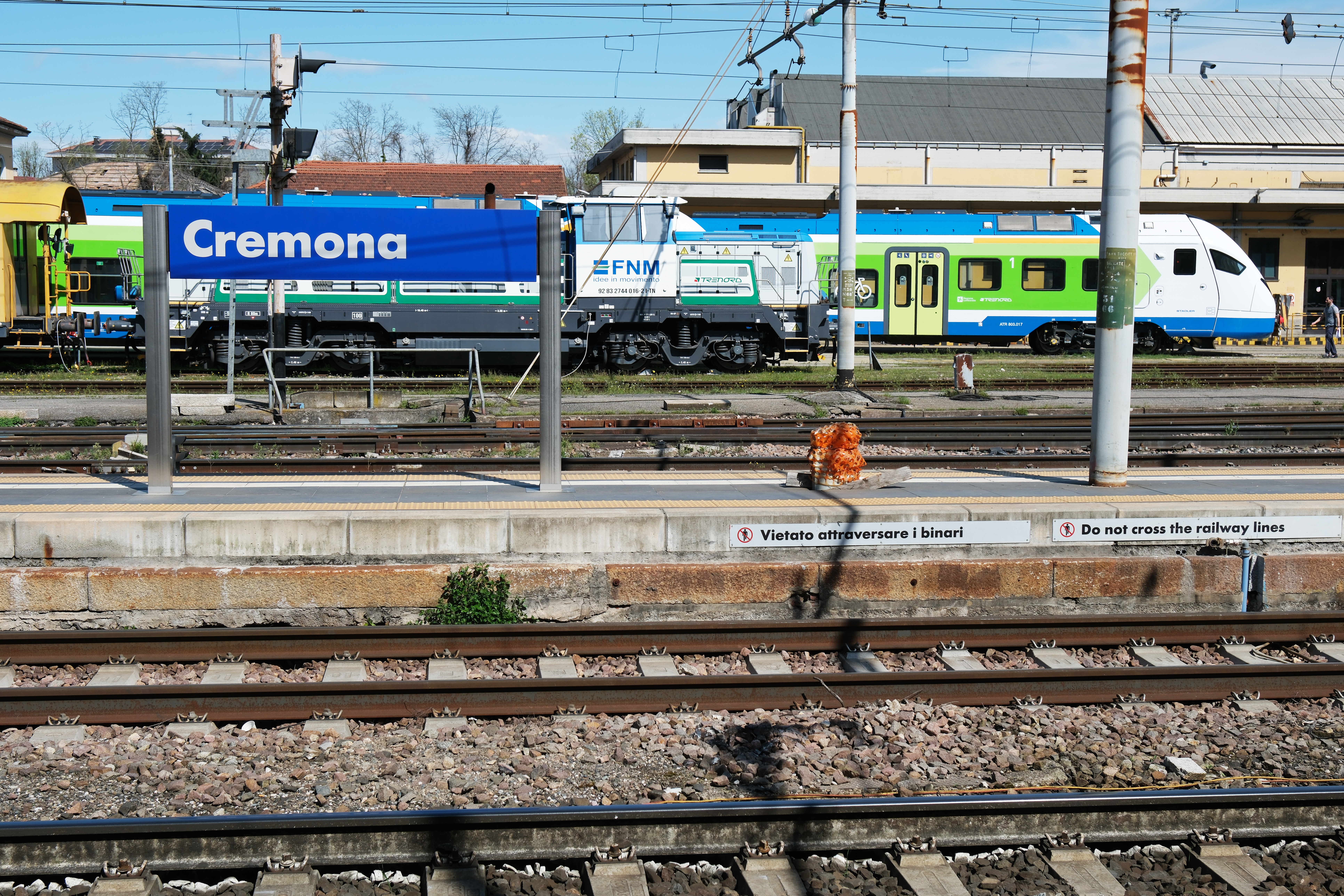
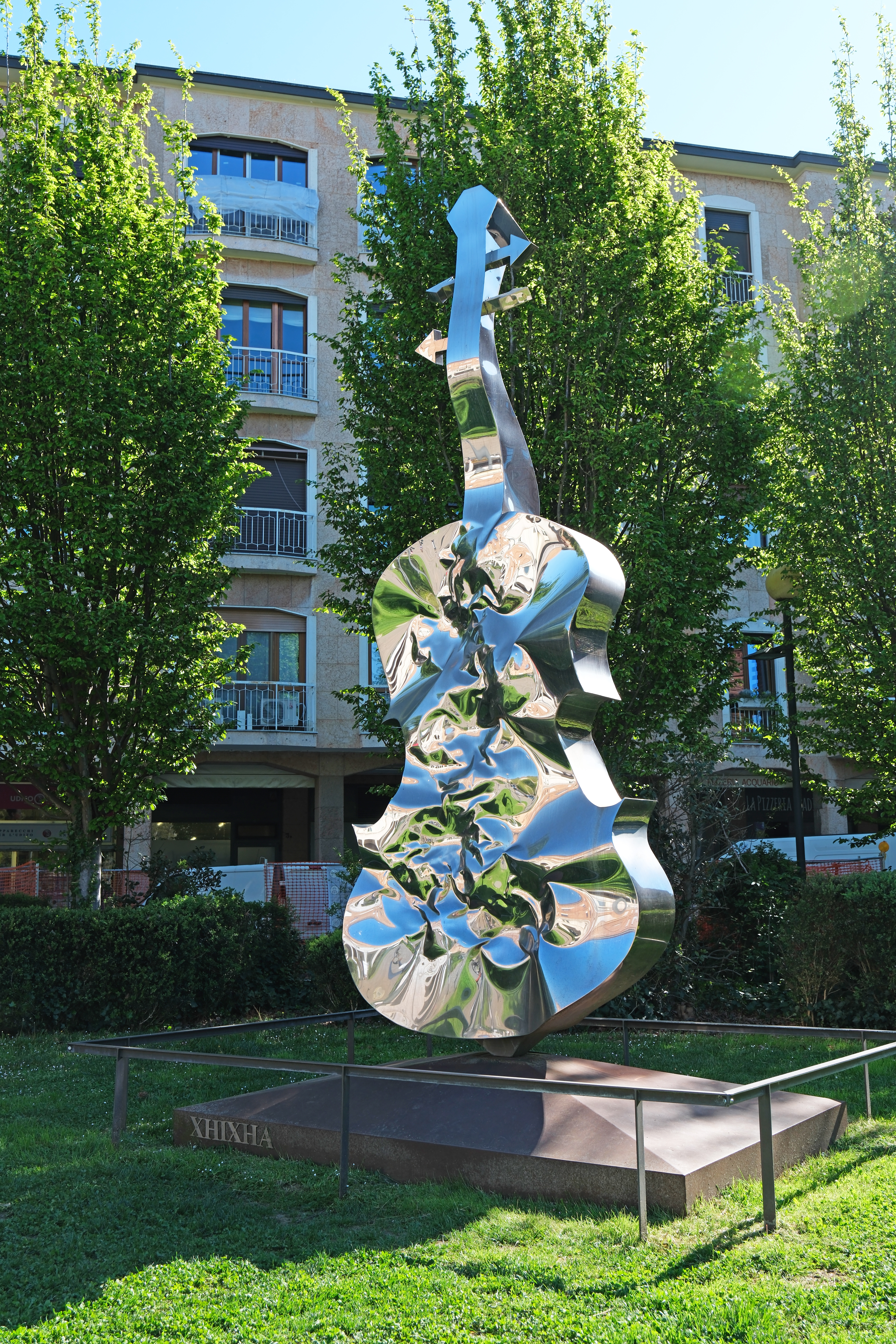
All it took was discovering that the town is a quick hour-long train ride from Milan for us to add it to our itinerary! Before delving into Cremona’s musical history, we decided to get a good look at the town itself, so we started at their cathedral, the Cattedrale di Santa Maria Assunta.
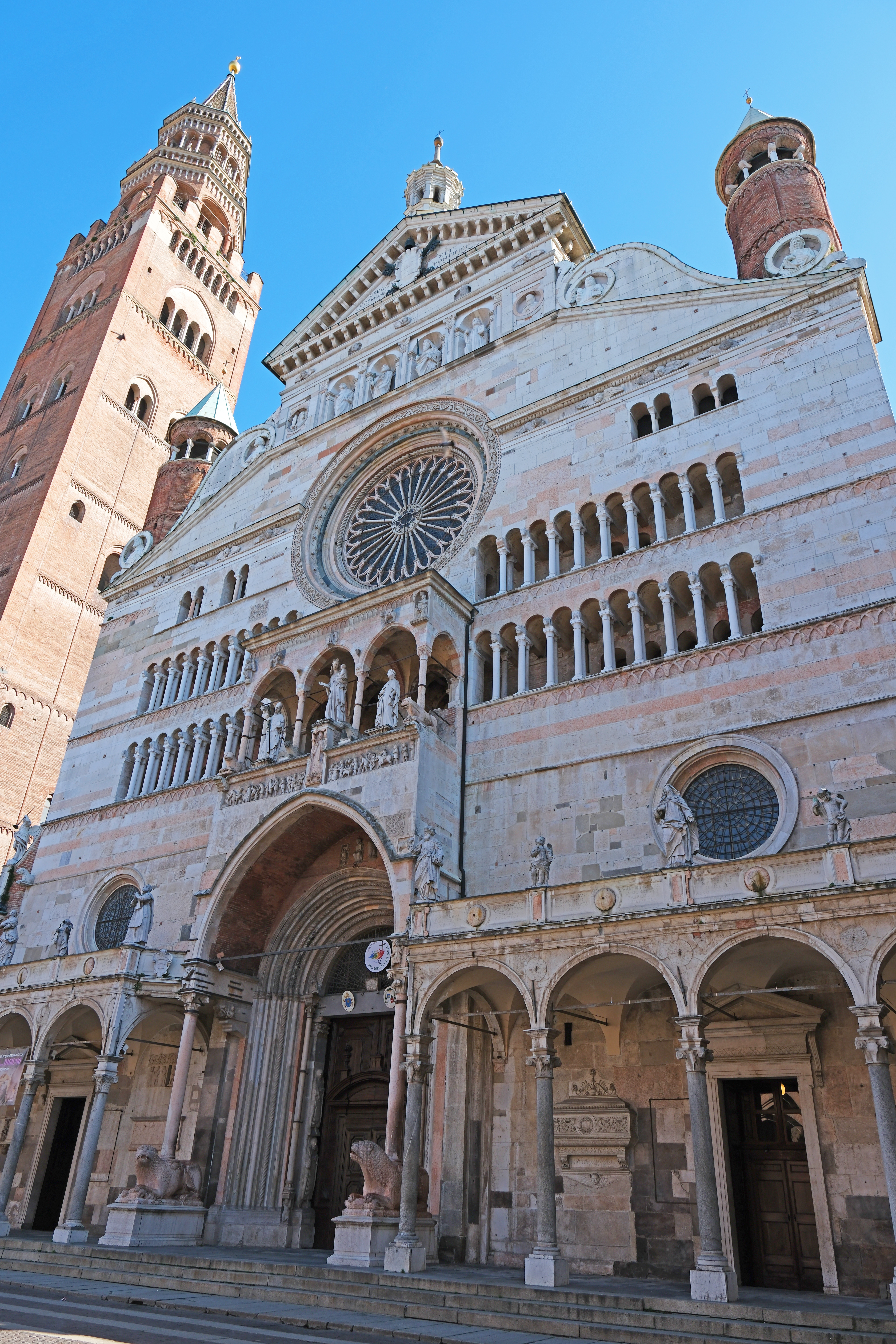
Construction began in 1107, but an earthquake in 1117 necessitated significant rebuilding. It was consecrated in 1196 and has since incorporated Romanesque, Gothic, Renaissance, and Baroque elements.
One of the cathedral’s most striking features is its façade, adorned with a large rose window and intricate sculptures. Adjacent to the cathedral is the Torrazzo, Cremona’s bell tower. Standing at 112.7 meters, it’s one of the tallest brick towers in Europe and dates back to the 13th century.
Climbing its 502 steps rewards visitors with panoramic views of the city and the surrounding Lombardy countryside. Notably, the Torrazzo houses the world’s largest astronomical clock face, a marvel of medieval engineering.
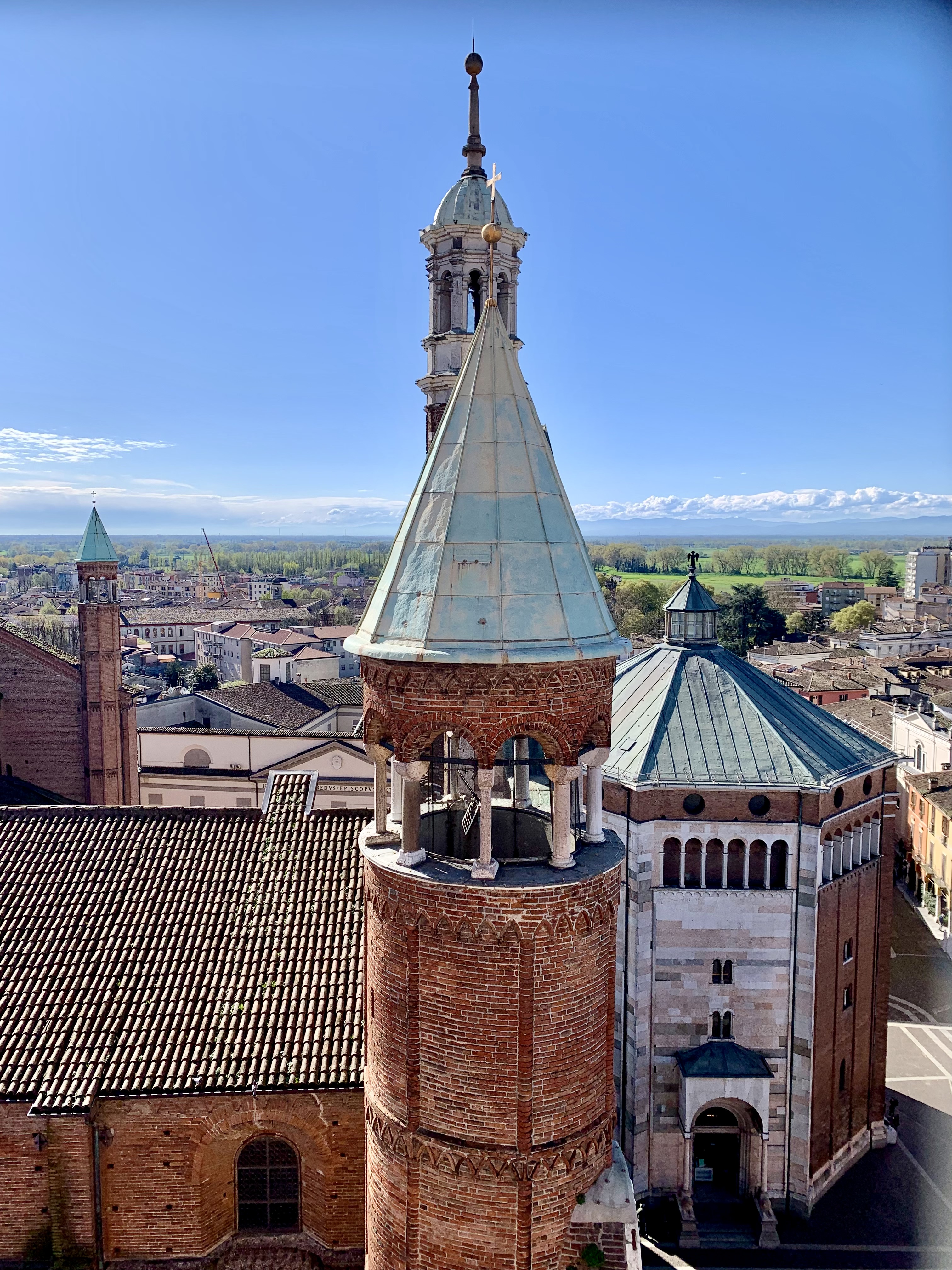
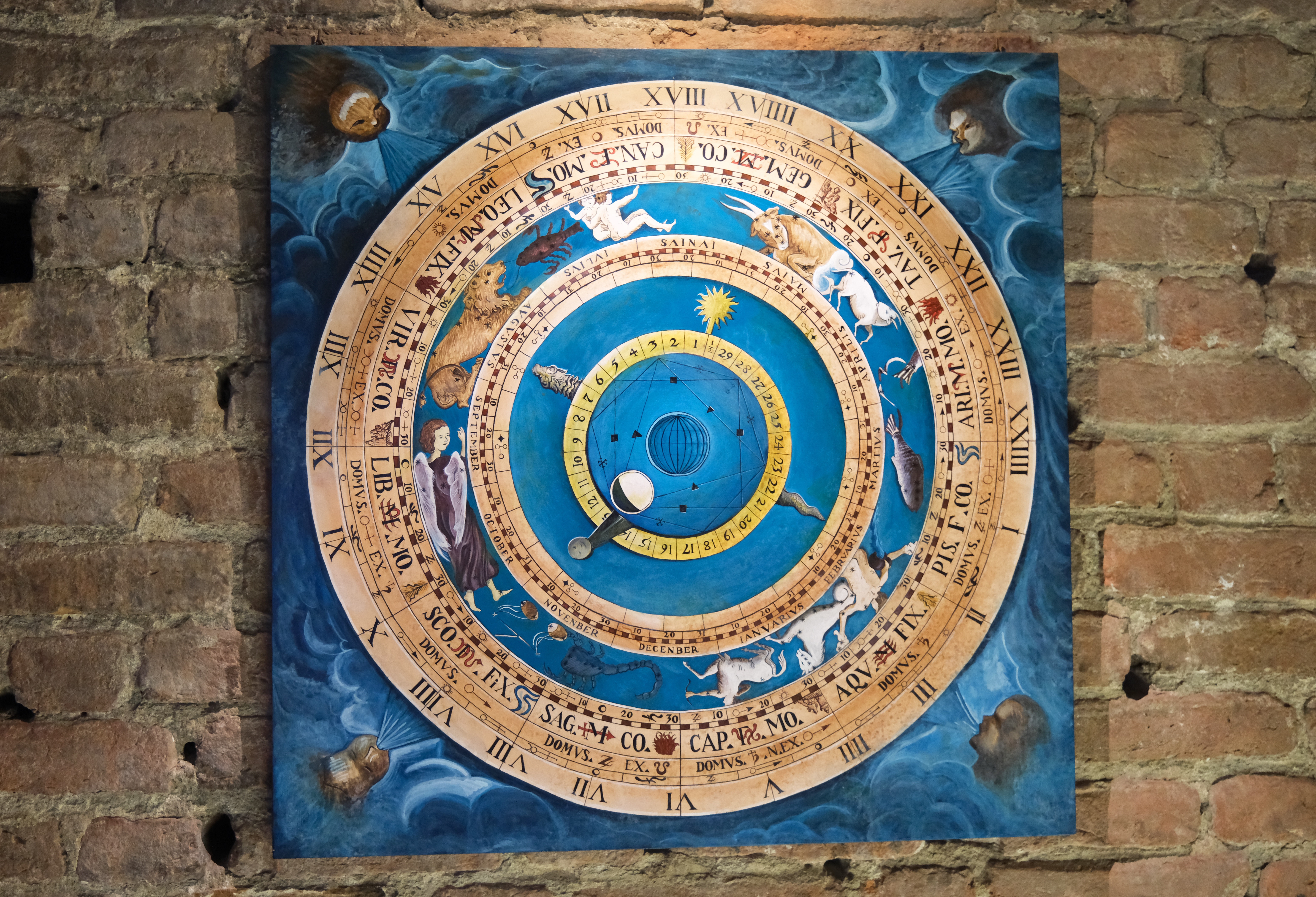
We managed to make our way up those steps surprisingly fast because close on our heels was not one, but two elementary classes! I don’t know why cathedrals are a popular field trip on Tuesday mornings, but we wanted to enjoy the views of the city without 40 students surrounding us.
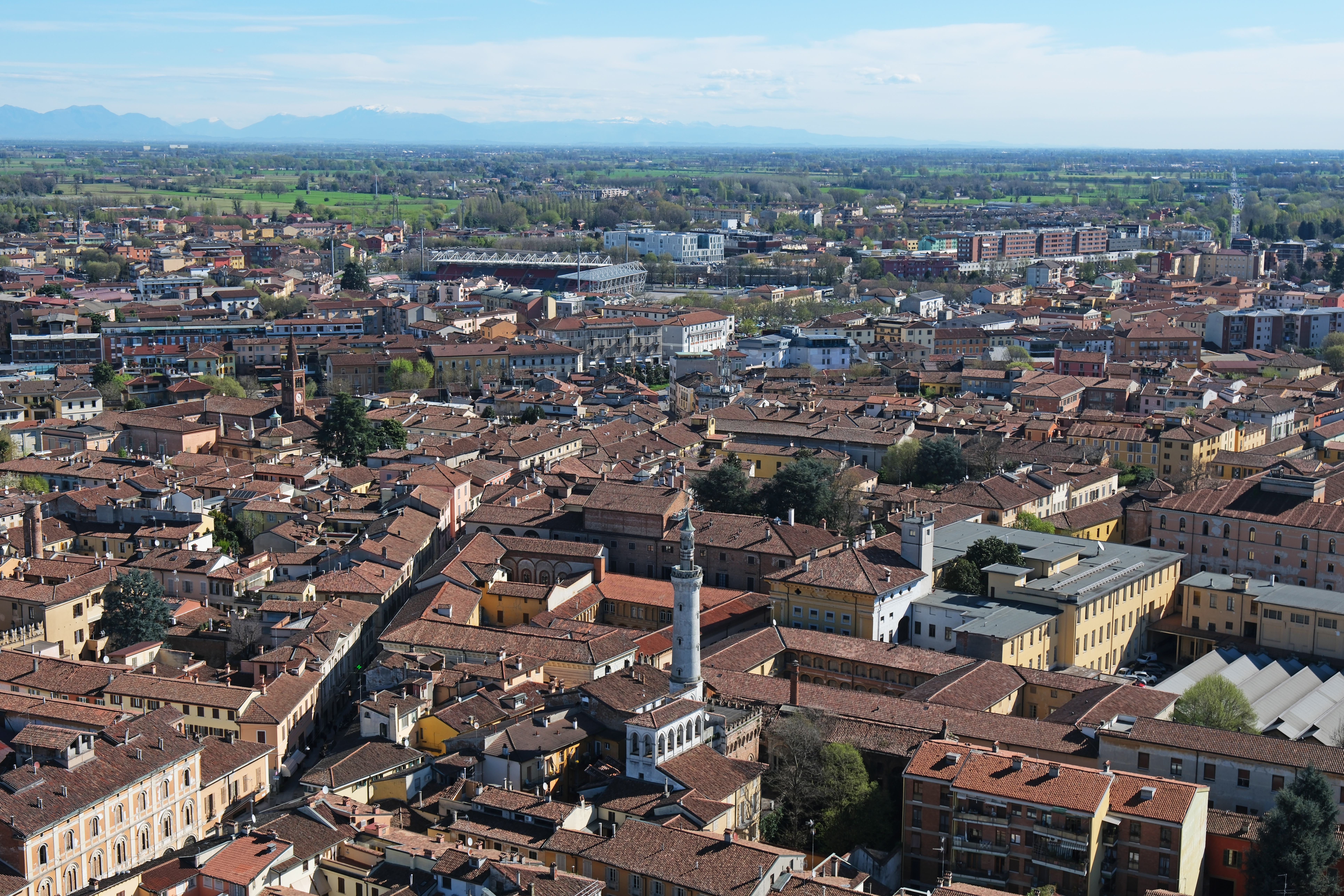
We didn’t have a long time to stick around anyway, we wanted to be at our main attraction – the Museo del Violin – when it opened. That ended up being the right call, because guess who lined up right behind us for tickets? More school groups! Tuesday must be the day of the week everyone in Cremona goes on a field trip.
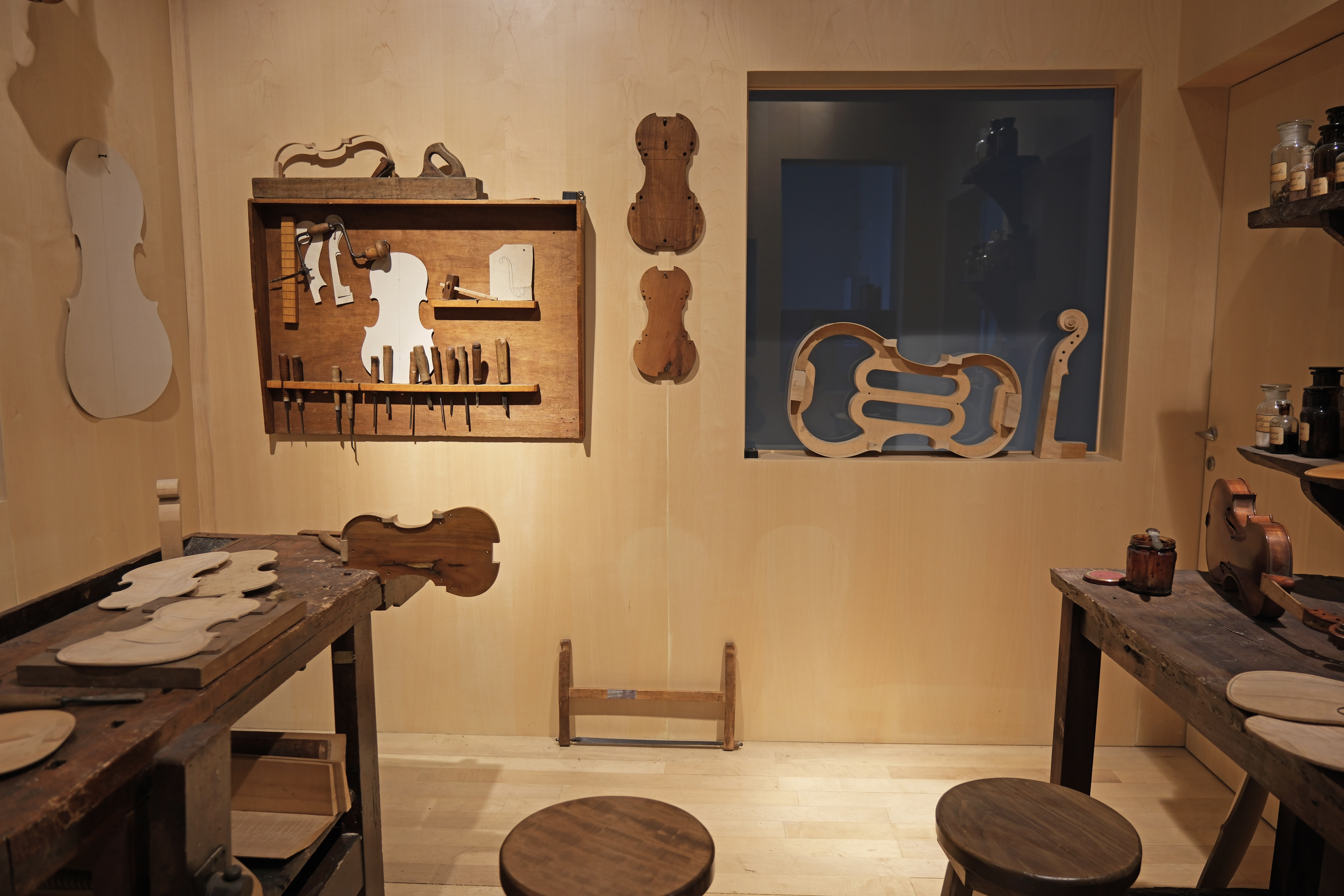
The museum was smaller than anticipated, but well organized. You start with the origin of the violin and the violin maker’s workshop before moving into what might have been my favorite space: The immersive audio room. Inside, you can hear world-class violins played in what feels like three-dimensional space – each note drifting in from a different corner of the room, as if you were sitting the front row of a concert hall.
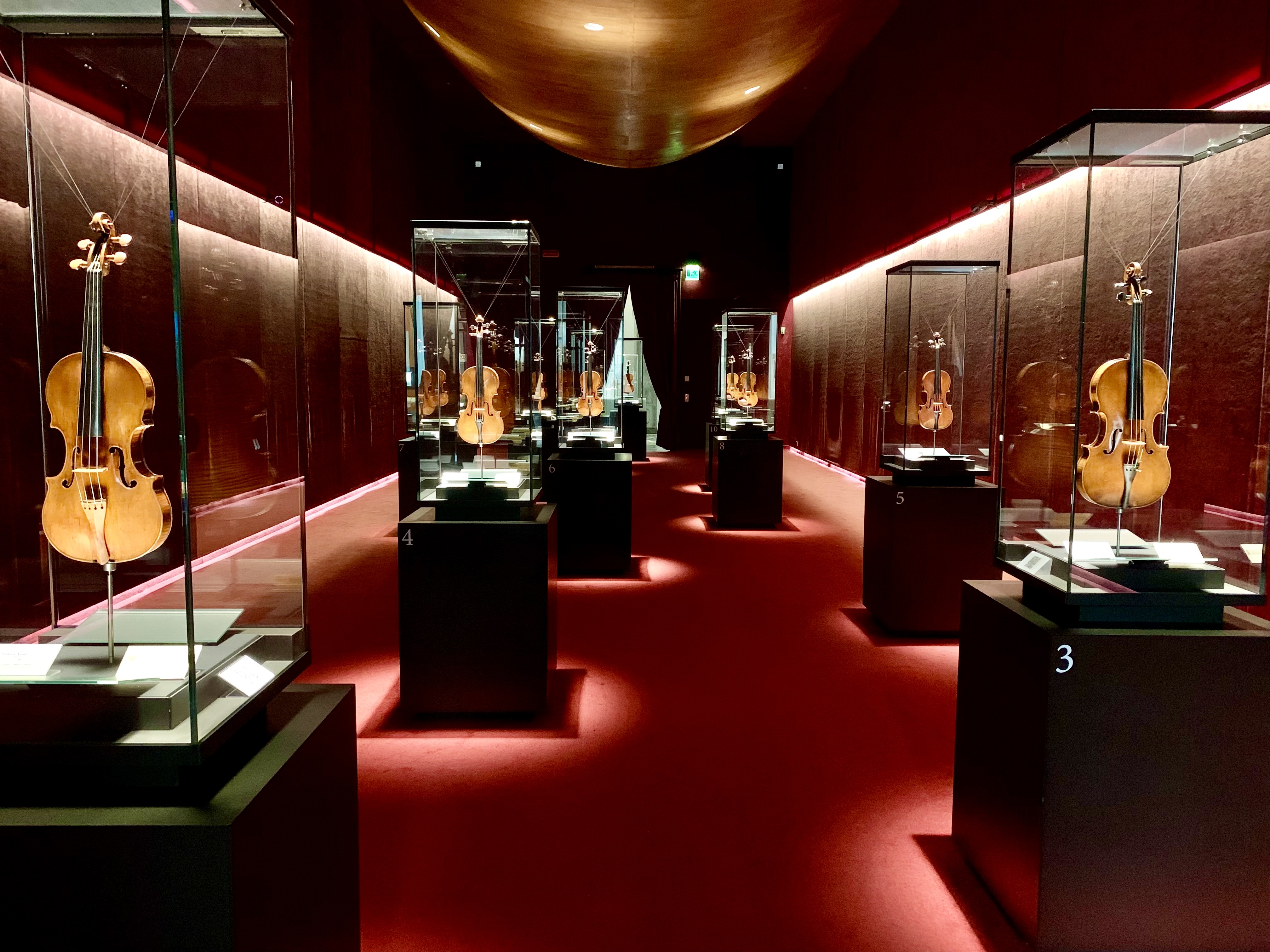
Next up was the “Treasure Box,” a room filled with violins and cellos from the 17th and 18th century, many made by Stradivari himself. Additional rooms held other objects that had belonged to Stradivari, as well as violins and cellos that had won the 1937 National Violinmaking Competition and the 1976 Triennale Violinmaking Competition – with contestants from around the world. A QR code beside each instrument let you hear what it sounded like.
Our only disappointment was that we had discovered that there was a live performance scheduled in the museum’s auditorium (an absolutely lovely space) that very afternoon, featuring some of the instruments on display. But we had already planned on heading to Parma to visit close friends who, by pure coincidence, were also traveling in Italy. In the end, we couldn’t pass up the chance to spend more time with them.
We made our way back to the train station, thrilled with our morning in Cremona and very much looking forward to our afternoon in Parma.
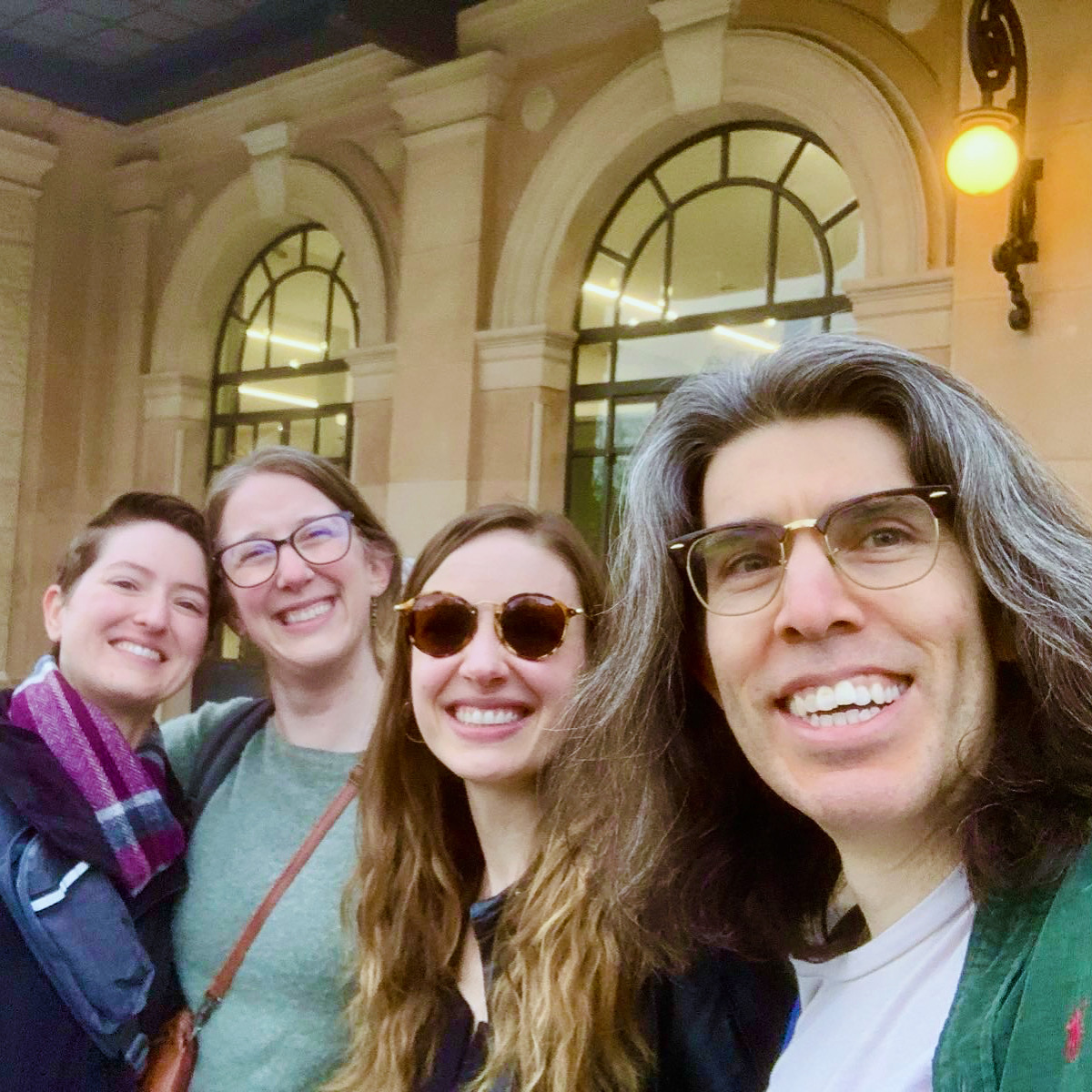
We didn’t find out until we were in Milan that our friends Erin and Ashley were in northern Italy as well. At first, they were in Bologna, one of our favorite cities, but they told us that they’d be in Parma by mid-week. We’d never been and it was just an additional hour’s train ride from Cremona, so we happily made the trip!
We’d last seen them in Phoenix the previous summer during our southwest US road trip. Before that, Erin had worked with us in Amman, Jordan for three years.
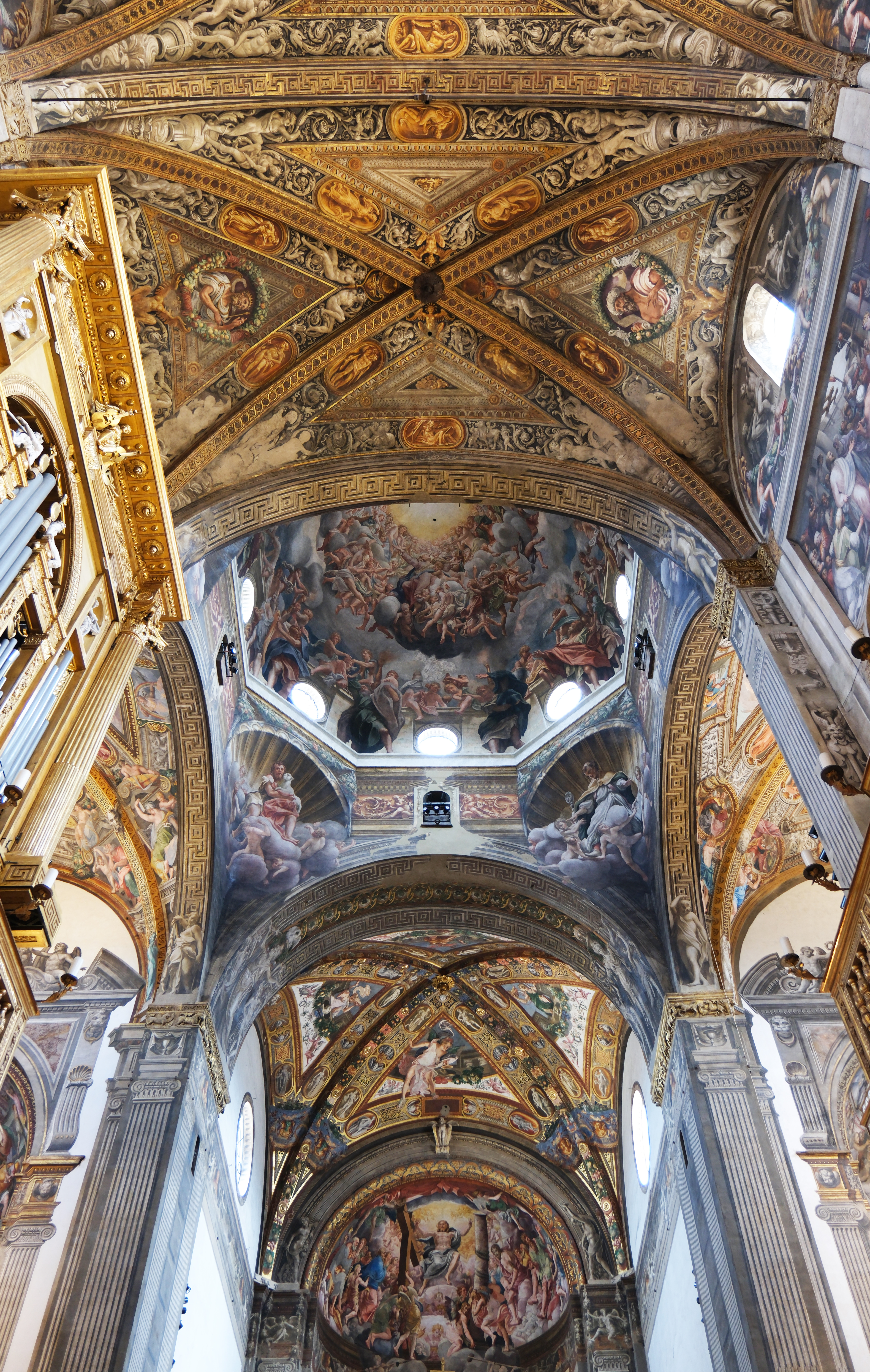
At this point, we were starving, so we made a brief stop in the Cattedrale di Santa Maria Assunta before finding some focaccia bread for lunch. Parma’s Cathedral is well-known in the art history world for its ceiling fresco made by Correggio – the Assumption of the Virgin.
It was unlike anything people had seen before. Instead of a serene, orderly scene, he created a swirling vision of clouds, angels, and light, drawing the viewer’s gaze straight into the heavens. The illusionistic perspective was so dramatic and unconventional that it was hated at the time – some clergy even asked for their money back. But today, it’s seen as a groundbreaking work that paved the way for the theatrical ceilings of the Baroque.
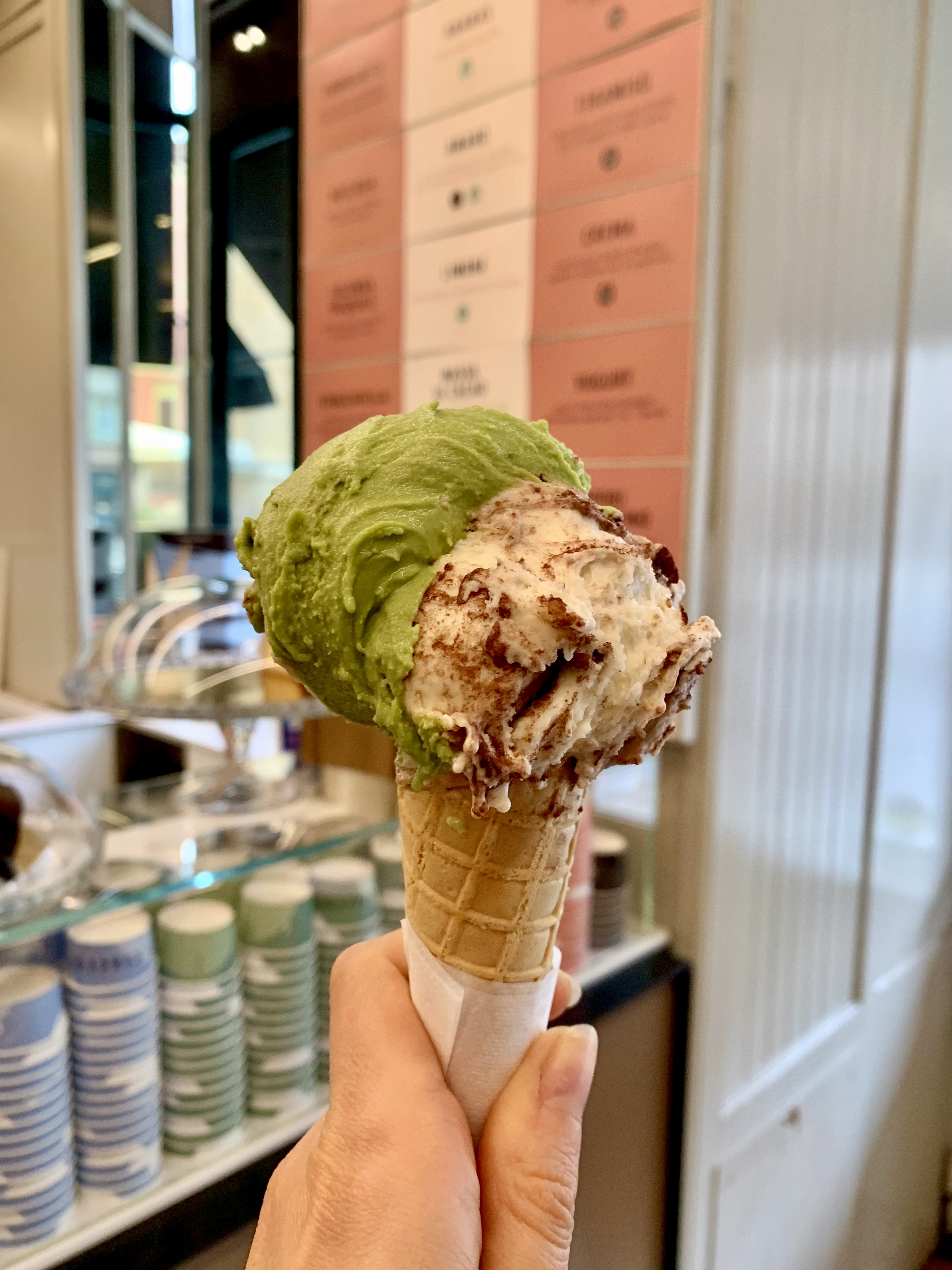
With our art history lesson out of the way, the rest of the afternoon was focused on eating, drinking, and catching up. After lunch, we made our way to Ciacco Lab – a gelato shop that Chandler had pinned even before we knew we’d be making a visit to the city.
And while we’d had some great gelato in Milan, Ciacco Lab gave me the best scoops during our week-long visit. I enjoyed the tiramisù and tè verde matcha, but I also sampled zabajone because it’s one of their savory flavors made with masala.
After that we made our way to a hole-in-the-wall wine bar, 800A Bar Enoteca, because most of the drink spots were in-between hours. What it lacked in ambience, it made up for in service and prices. Erin and Ashley started with an apertivo, while Chandler and I ordered a bottled of Lambrusco.
I don’t drink a lot of red wine these days, but Lambrusco is a light, sparkling red made regionally – it felt wrong not to try it. Erin and Ashley helped us finish the bottle before we ordered my true love, a bottle of Grillo. A crisp, mineral-forward grape from Sicily, it’s been my go-to for years.
Before we knew it, the sun was setting and we had a train to catch, while they had a dinner to get ready for. One of my favorite things about international teaching is the people we meet along the way and it was so incredible to spend an afternoon with these two.
Our final day trip came a few days later. When we had first started planning this vacation we were trying to decide if we wanted to spend the whole time in Milan or if we wanted a few nights at Lake Como as well. We realized it would be spring, so it would likely be too chilly to lounge around in bathing suites and so for ease, we decided to stick with a week-long Airbnb in Milan.
We were still interested in Lake Como, so we decided to pop up for the day, see what all the fuss is about, and book a future stay if warranted.
Now, first thing to note, Lake Como is large and you can really only get around by car, ferry, and the occasional bus. Lake Como is shaped like an upside-down “Y,” and the train only goes as far as Como, at the bottom of the western leg. It runs every hour, so it’s easy to get to and from the town.
That said, Como is far from the most famous spot on the lake. Most people take the ferry up to towns like Bellagio or Varenna because they’re much more picturesque. Having looked at photos online, I’m inclined to agree.
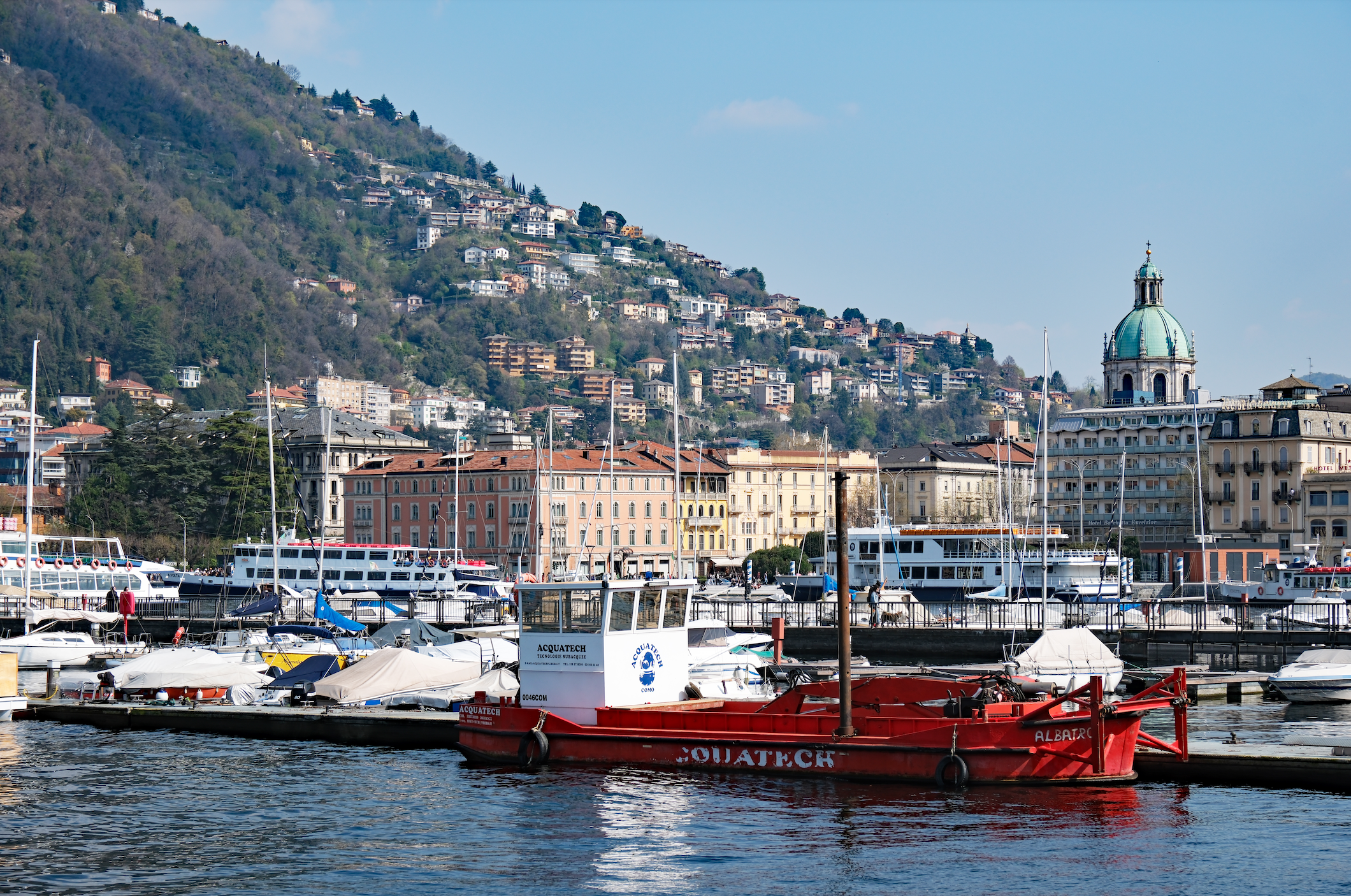
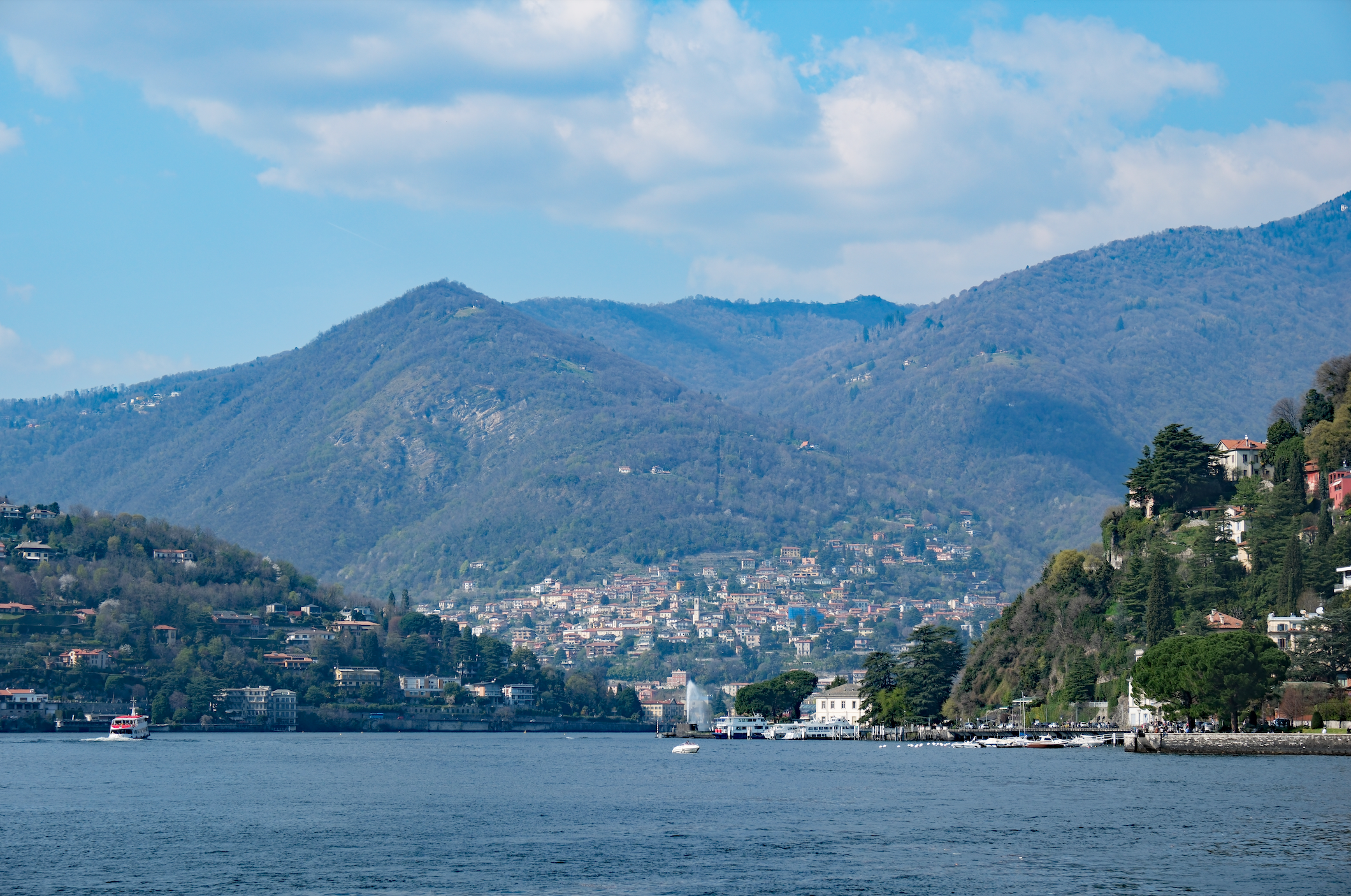
We walked out of the Como San Giovanni station and made our way to grab some focaccia bread to eat near the lake. Afterward, we found some gelato before going for an extended walk alongside the water (if Parma had the best gelato of the week, Como, unfortunately, had the worst).
Now, I’m not going to go so far as to say Lake Como is ugly, because that would be a lie, but I will say we felt underwhelmed. Perhaps that’s due to the town of Como itself. But if I wanted to spend a week at the lake, I’d head back to Lucerne, in nearby Switzerland or explore the Italian town of Stresa on Lake Maggiore.
We felt like a few hours in Como was more than enough and would suggest that if you’re headed to Lake Como yourself, you skip the town and head further north on the lake.
Among our favorite things on this trip to Italy (besides the pasta, gelato, wine, and shopping!)? The trains. Because before we knew it, we were back in Milan. Train travel in Italy is comfortable, affordable, and efficient. We love how easy it is to get around.
And because it’s so easy to get to Rome from Dakar – a direct flight on one of the few airlines (ITA Airways) we trust out of Dakar, we’ve decided we’re likely to head back to Italy one more time while we still live in Senegal.
We’re thinking about going this winter. I’ve been in summer, fall, and now spring, but I’ve never experienced an Italian winter. I don’t think we’ll head up into the mountains, but we’re tossing around Rome, Naples, and Sorrento, with some time on the Amalfi Coast. Nothing’s been booked yet, but why wouldn’t I spend more time in my favorite country?
 Abroad With Ashley